

Temperature sensors are crucial in electronics for monitoring and regulating device temperatures, ensuring optimal performance and preventing overheating damage.
Temperature sensors play a critical role in modern electronics, acting as the nervous system that prevents overheating and ensures optimal operation. From smartphones to industrial machinery, these tiny components significantly impact device longevity, safety, and efficiency.

HiLetgo
HiLetgo 5pcs DHT11 Temperature Humidity Sensor Module…
- DHT11 digital temperature and humidity sensor is a digital signal output with a calibrated temperature and humidity combined senso…
- It uses a dedicated digital modules and acquisition of temperature and humidity sensor technology to ensure that products with hig…
- Sensor consists of a resistive element and a sense of wet NTC temperature measurement devices, and with a high-performance 8-bit m…
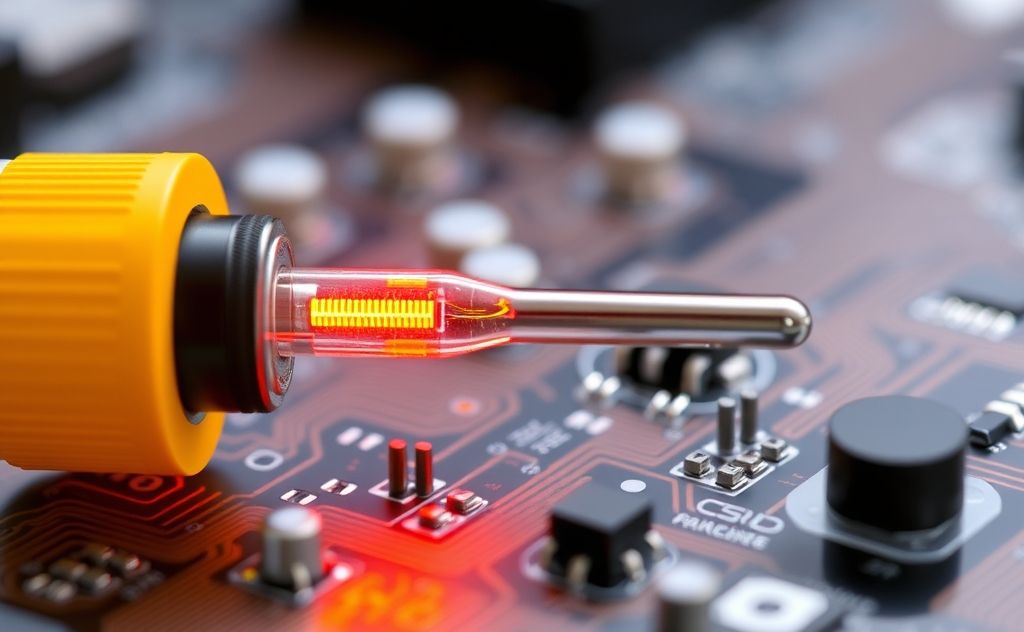
The Science Behind Temperature Sensors in Electronics
Temperature sensors convert thermal energy into electrical signals that electronic systems can interpret. This process enables real-time monitoring and automatic adjustments to prevent damage.
Common Sensor Types in Electronics
- Thermistors: Highly sensitive resistors that change resistance with temperature
- RTDs (Resistance Temperature Detectors): Platinum-based sensors offering high accuracy
- Thermocouples: Durable sensors for extreme temperature ranges
- Semiconductor-based sensors: Integrated circuits with digital output
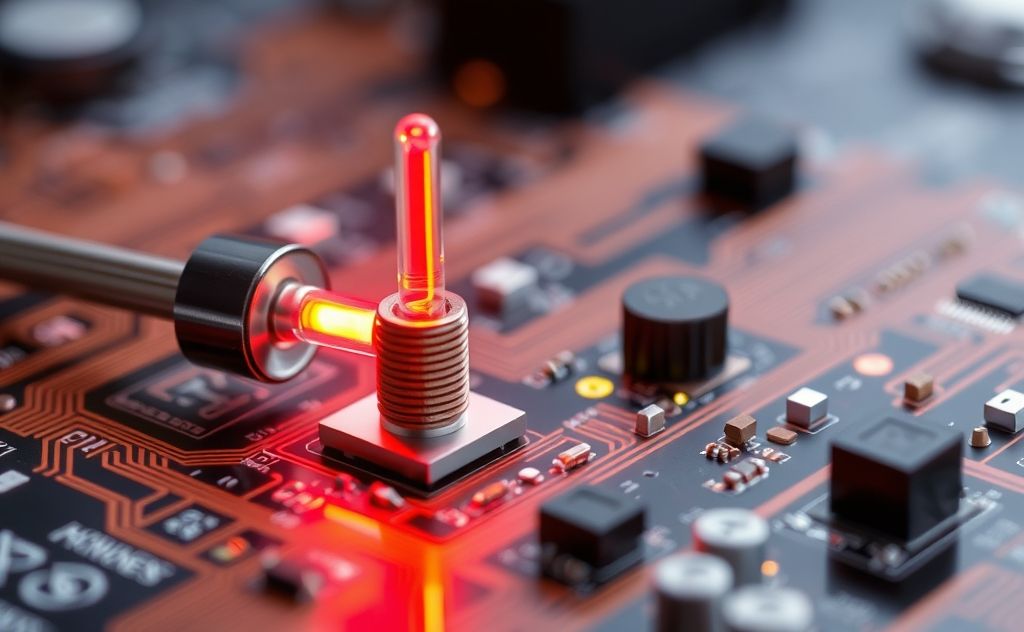
Critical Applications in Modern Electronics
Processor Thermal Management
Modern CPUs and GPUs rely on temperature sensors to prevent thermal throttling. When sensors detect overheating, systems automatically reduce clock speeds to lower temperatures.
Battery Safety Systems
Lithium-ion batteries use temperature sensors to prevent dangerous thermal runaway. These sensors trigger shutdowns when temperatures exceed safe limits, as seen in Samsung dryer heater systems.
Industrial Automation
Manufacturing equipment uses arrays of temperature sensors to monitor critical components. This prevents costly downtime and maintains product quality.
Impact on Device Longevity and Performance
| Component | Temperature Range | Impact of Proper Monitoring |
|---|---|---|
| CPU/GPU | 0-100°C | Prevents thermal throttling, extends lifespan |
| Lithium Batteries | -20-60°C | Reduces fire risk, maintains capacity |
| Power Supplies | -40-125°C | Prevents component failure, ensures stable output |
Emerging Sensor Technologies
Researchers at the University of Glasgow have developed chip-free wireless temperature sensors using PDMS silicon rubber and carbon fibers. These sustainable alternatives could revolutionize IoT devices and smart packaging.
Advantages of New Sensor Designs
- Reduced environmental impact compared to traditional RFID tags
- Lower production costs through simplified manufacturing
- Flexible form factors for unconventional applications
Market Growth and Industry Trends
The global temperature sensor market is projected to grow from $7.5 billion in 2023 to $13.3 billion by 2033, driven by:
- Expansion of IoT devices
- Increased automotive electronics
- Demand for energy-efficient systems
- Advancements in smart thermostat technology
Challenges and Solutions
Tariff Impacts
Recent US tariffs have increased sensor production costs by 4-6%. Manufacturers are responding by:
- Localizing supply chains
- Developing alternative materials
- Optimizing production processes
Integration Challenges
As devices shrink, engineers face mounting challenges in sensor placement and thermal management. Solutions include:
- 3D packaging techniques
- Advanced thermal interface materials
- Machine learning-based thermal modeling
Future Outlook
Temperature sensor technology continues evolving with:
- Nanoscale sensors for microscopic applications
- Self-powered sensors harvesting ambient energy
- AI-driven predictive thermal management
- Integration with 5G and edge computing networks
These advancements promise to further enhance electronics reliability while reducing energy consumption and environmental impact across industries.
Related pick: Check today's price on Amazon

I am a mechanical engineer and love doing research on different home and outdoor heating options. When I am not working, I love spending time with my family and friends. I also enjoy blogging about my findings and helping others to find the best heating options for their needs.
Related guides

Smart Temperature Sensors for Home Automation: The Ultimate Guide
Temperature sensors for home automation enable precise climate control, enhancing comfort and energy efficiency by integrating with smart…

How To Troubleshoot Temperature Sensors Like a Pro
You walk up to a panel that reads 250 F when the oven door is open and the…
Essential Temperature Sensors for Food Safety Compliance
Temperature sensors for food safety monitor and ensure proper cooking and storage temperatures, preventing foodborne illnesses and maintaining…
