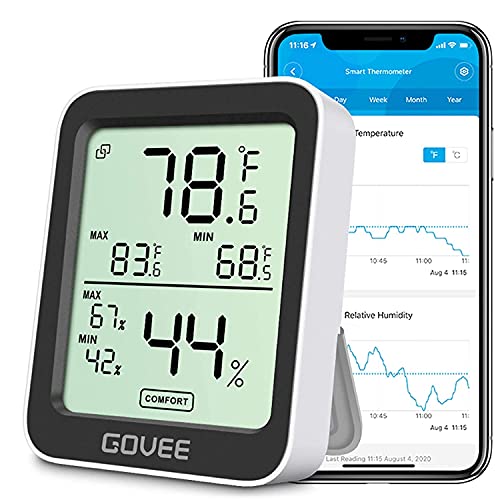
Temperature regulation enhances renewable energy efficiency by optimizing energy production, improving system reliability, and reducing operational costs in solar and wind technologies.
Temperature regulation plays a critical role in optimizing renewable energy systems. From solar panels to wind turbines, maintaining ideal operating temperatures significantly impacts performance and longevity. This article explores how advanced thermal management technologies enhance clean energy production.

meross
meross Smart Temperature Controller Work with Apple…
- Easy to use: The Meross smart temperature controller thermostat can be controlled using device buttons, the free Meross app or voi…
- Heating & Cooling: Compatible with various heating and cooling equipment such as infrared heaters, fan heaters, and refrigerators.…
- Solid Hardware Quality: Maximum output load of 15A, 1800W at 120V, and 3600W at 240V. This device offers temperature measurement r…
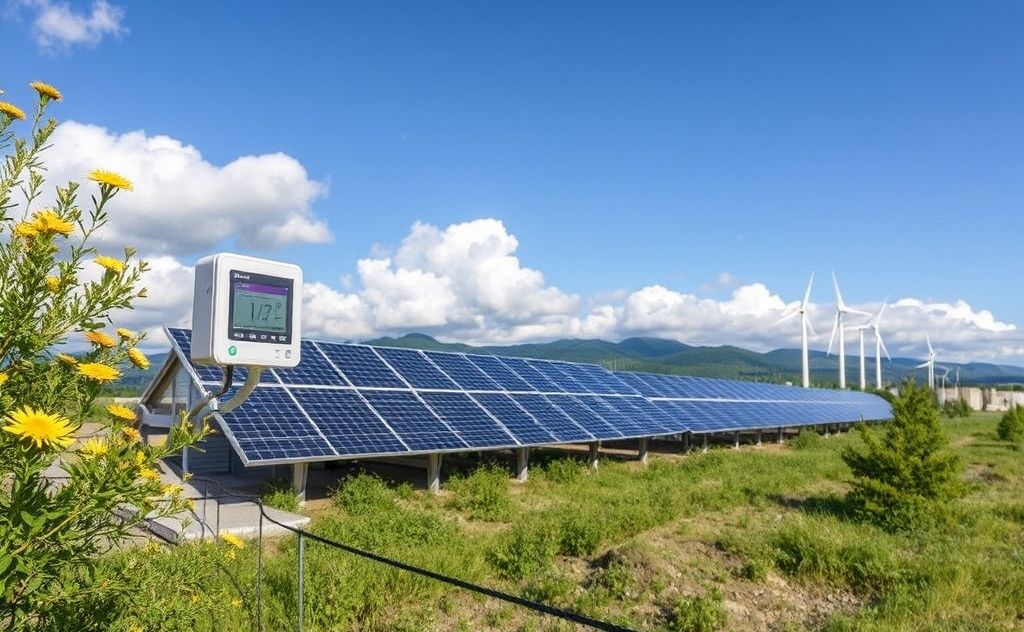
The Science Behind Temperature and Renewable Energy
All renewable energy systems have optimal temperature ranges for peak efficiency. Solar panels, for example, lose about 0.5% efficiency for every degree Celsius above 25°C. Wind turbine components require precise cooling to prevent mechanical stress.
Solar Energy Performance
Photovoltaic cells convert sunlight to electricity most efficiently at moderate temperatures. When panel temperatures exceed 25°C, output declines noticeably. This creates a paradox – bright sunny days produce more light but reduce efficiency through heat buildup.
Wind Turbine Operations
Modern wind turbines contain sensitive electronics and gearboxes that require stable temperatures. The best water heater thermostat control systems use similar principles to maintain optimal conditions in nacelle compartments.
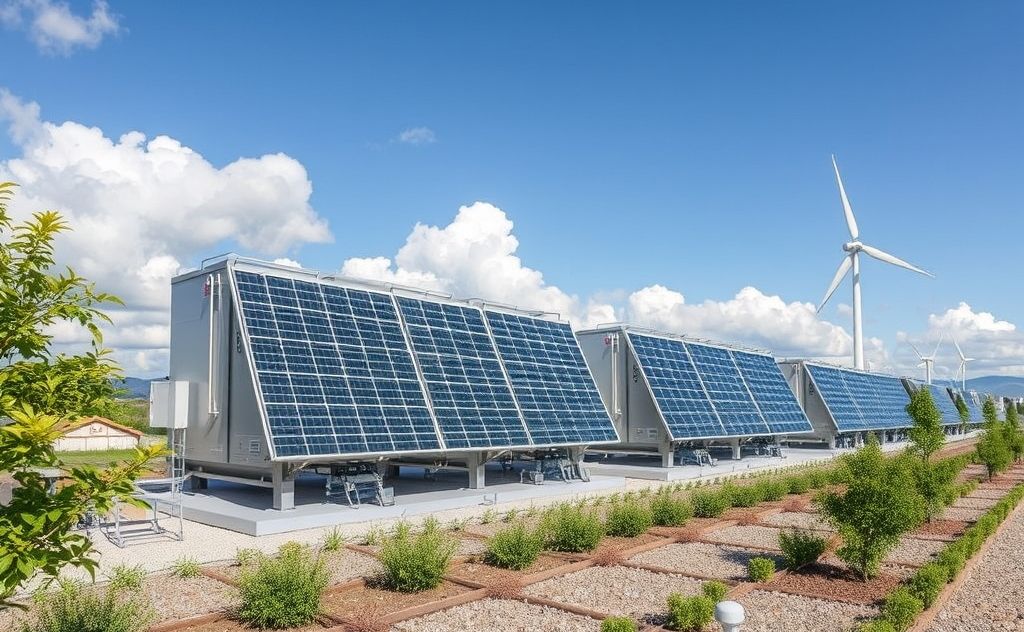
Innovative Cooling Solutions
Engineers have developed several approaches to regulate renewable energy system temperatures:
| Technology | Application | Efficiency Gain |
|---|---|---|
| Active liquid cooling | Solar farms | 15-25% |
| Phase change materials | Residential PV | 8-12% |
| Passive ventilation | Wind turbines | 5-8% |
Thermal Storage Integration
Excess heat from renewable systems doesn’t have to be wasted. Advanced solar thermal storage solutions capture and store thermal energy for later use. This approach:
- Extends system operating hours
- Reduces peak demand stress on grids
- Provides heating for adjacent buildings
The EPA reports that proper thermal management can reduce cooling loads by up to 70% in buildings with integrated renewable systems.
Smart Grid Synergies
Modern energy grids leverage temperature data to optimize renewable output. Key applications include:
- Predictive output adjustments based on weather forecasts
- Dynamic load balancing during temperature extremes
- Preventive maintenance scheduling for heat-stressed components
According to ISO New England, these smart grid features help maintain stability as renewable penetration increases.
Future Developments
Emerging technologies promise even greater temperature regulation benefits:
- Nanotechnology coatings that reflect infrared radiation
- AI-driven predictive cooling systems
- Hybrid geothermal-renewable installations
These innovations will further reduce the performance gap between renewable and conventional energy sources during extreme weather conditions.
Related pick: Check today's price on Amazon

I am a mechanical engineer and love doing research on different home and outdoor heating options. When I am not working, I love spending time with my family and friends. I also enjoy blogging about my findings and helping others to find the best heating options for their needs.
Related guides

How Temperature Regulation Transforms Urban Planning: A Data-Backed Playbook
You're standing on a downtown sidewalk in July. The air shimmers off the asphalt, the building walls radiate…
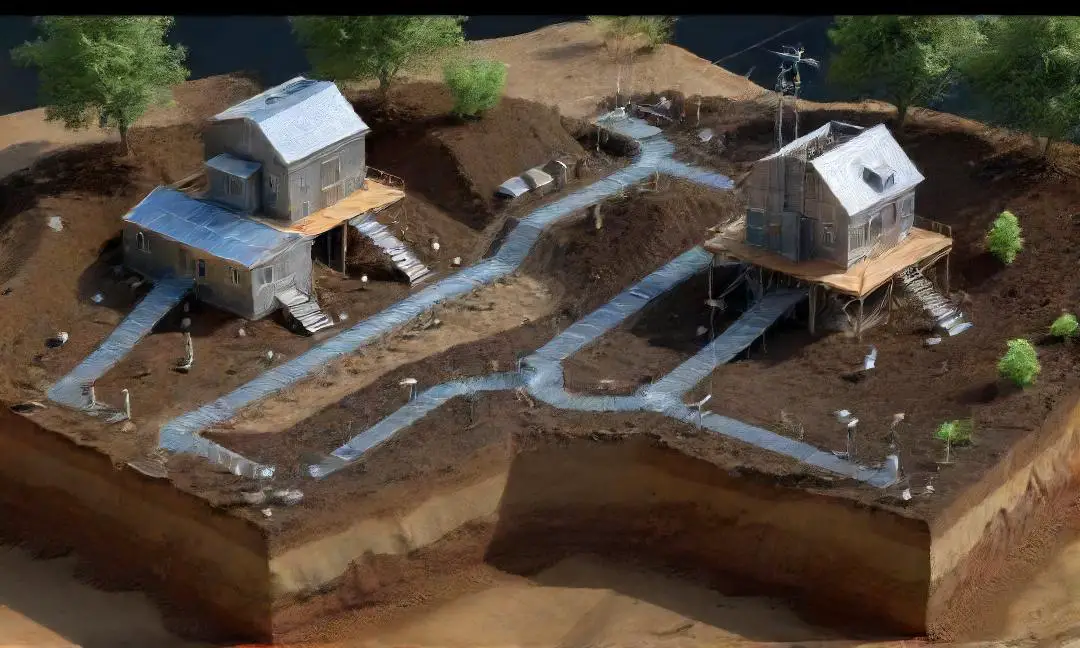
Effective Soil Erosion Prevention Through Temperature Control
Master temperature regulation practices to reduce soil erosion. Learn effective strategies to protect the environment and enhance soil…

Climate-Resilient Farming: 11 Temperature Control Techniques
Temperature regulation techniques for climate-resilient agriculture include shade nets, mulching, and controlled irrigation to enhance crop adaptability and…