

Temperature devices should be calibrated at least annually, or more frequently if used in critical applications or under extreme conditions.
Proper calibration of temperature devices ensures accurate readings, whether for food safety, HVAC systems, or industrial processes. The frequency depends on device type, usage, and manufacturer guidelines.
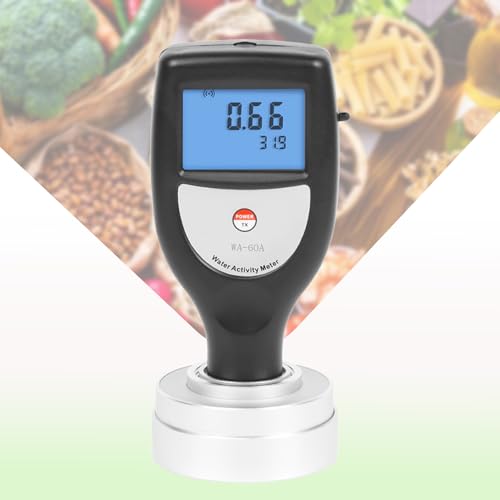
SULMILE
WA-60A Water Activity Meter Portable Water Acivity…
- The Water Activity mainly reflects the amount of free water in the state of food balance, the stability of food and the possibilit…
- It is often used to measure the dryness enduring ability of the microorganisms. By measuring the water activity of food and select…
- This is a real portable water activity meter, with a weight of only 100 grams, lighter than a mobile phone, and a precision of 0.0…
Why Calibration Frequency Matters
Inaccurate temperature readings can lead to serious consequences. In food service, a 5°F error may cause unsafe food handling. In HVAC systems, incorrect readings waste energy. Regular calibration prevents these issues.
Food Service Thermometers
Food thermometers require frequent calibration. The Food Safety and Inspection Service recommends:
- Bimetal thermometers: Before each shift
- After measuring extreme temperatures
- After being dropped or damaged
- At least every 6 months for digital models
HVAC and BMS Temperature Sensors
Building Management System sensors often don’t need annual calibration. Issues usually stem from installation problems rather than sensor drift. Focus on proper installation with:
- Quality cables (minimum 0.5mm conductors)
- Cable runs under 30 meters
- Sealed entry points
Calibration Methods
Boiling Point Method
Best for thermometers used with hot foods:
- Determine water’s boiling point for your altitude (190-212°F)
- Bring water to rolling boil
- Submerge thermometer without touching container
- Adjust to match known boiling point
Freezing Point Method
Ideal for cold food applications:
- Fill glass with ice water
- Wait 2 minutes to stabilize at 32°F
- Submerge thermometer without touching sides
- Adjust to 32°F if needed
Device-Specific Calibration
Bimetal Thermometers
Adjust using the calibration nut beneath the dial. May require pliers or wrench.
Digital Thermometers
Look for reset button. Some models can’t be calibrated – check manufacturer instructions.
RTD Sensors
For precise temperature control systems, measure cable resistance and compensate in controller settings rather than adjusting the sensor itself.
When to Replace Instead of Calibrate
Replace temperature devices when:
- Calibration can’t correct >2°F error
- Physical damage is visible
- Consistent drift occurs between calibrations
- For critical systems like water heaters, replace at first signs of inconsistency
Best Practices for Reliable Measurements
Installation Considerations
- Keep sensors away from heat sources and drafts
- Use proper cable shielding
- Ensure good thermal contact for surface measurements
Maintenance Schedule
| Device Type | Calibration Frequency |
|---|---|
| Food service bimetal | Daily/shift change |
| Food service digital | 6-12 months |
| HVAC sensors | 2-3 years (verify first) |
| Industrial probes | Per manufacturer spec |
According to NIST, most temperature devices maintain accuracy longer than assumed. Focus calibration efforts where precision matters most.
Related pick: Check today's price on Amazon

I am a mechanical engineer and love doing research on different home and outdoor heating options. When I am not working, I love spending time with my family and friends. I also enjoy blogging about my findings and helping others to find the best heating options for their needs.
Related guides
How to Verify Temperature Calibration in 5 Steps
Temperature calibration verification is not just a box to tick. It's the backbone of reliable data in labs,…

Essential Tools For Accurate Temperature Calibration
Essential tools for accurate temperature calibration include precision thermometers, calibration baths, and temperature data loggers to ensure reliable…
Master Sensor Calibration Methods for Accurate Readings
Calibration methods vary by sensor type, including offset adjustment for analog sensors, linearization for temperature sensors, and curve…
