

HVAC systems should be serviced at least once a year to ensure optimal performance, efficiency, and longevity, ideally before the heating or cooling season.
Regular HVAC maintenance is crucial for efficiency, longevity, and preventing costly breakdowns. While annual servicing is common, optimal frequency depends on climate, system age, and usage patterns.
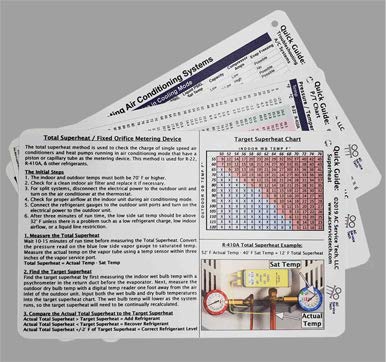
AC Service Tech LLC
HVAC Quick Reference Cards for Refrigerant Charging…
- Flexible
- Weather and UV Resistant
- Polystyrene Card Material Tested 0°F-130°F
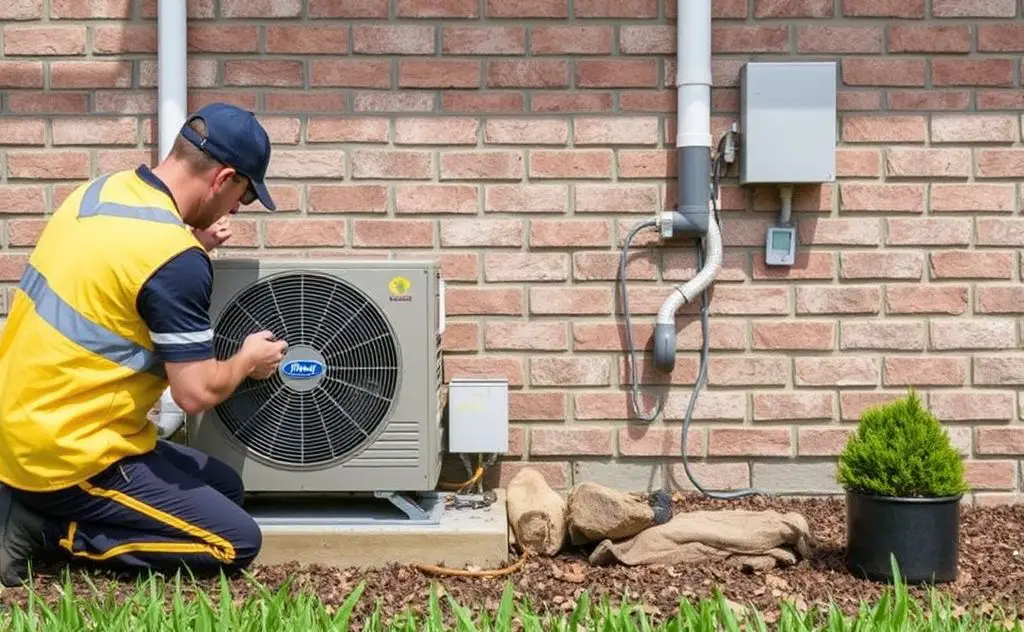
Recommended HVAC Service Frequency
Most experts recommend servicing your HVAC system:
- Twice yearly – Ideal for most systems (spring and fall)
- Annually – Minimum for newer systems in mild climates
- Quarterly – For older systems or extreme climates
Seasonal Breakdown
| Season | Service Focus |
|---|---|
| Spring | AC preparation: Clean coils, check refrigerant, test thermostat |
| Fall | Heating check: Inspect burners, heat exchanger, pilot light |
Factors Affecting Service Frequency
1. Climate Considerations
In extreme climates like Florida or Arizona where systems run year-round, built-in heating systems and AC units need more frequent attention. Desert regions with dust storms may require quarterly filter changes.
2. System Age
Newer systems (under 5 years) may do fine with annual service. Older units (10+ years) benefit from bi-annual maintenance. As noted in our Rheem water heater guide, aging components need more frequent inspection.
3. Usage Patterns
Homes with:
- 24/7 operation
- Multiple occupants
- Pets
typically need more frequent servicing due to increased strain on the system.
Key Maintenance Tasks
Professional Service Should Include:
- Refrigerant level check
- Electrical component testing
- Duct inspection
- Blower motor lubrication
- Safety control verification
DIY Maintenance Between Services
Homeowners should:
- Change filters monthly
- Keep outdoor unit clear of debris
- Monitor energy bills for spikes
Cost-Benefit Analysis
According to Buckeye Heating, regular maintenance can:
- Reduce energy costs by 15-20%
- Extend system life by 5-10 years
- Lower repair costs by 40%
Warning Signs You Need Service
Don’t wait for scheduled maintenance if you notice:
- Unusual noises
- Reduced airflow
- Frequent cycling
- Higher energy bills
- Uneven heating/cooling
The U.S. Department of Energy emphasizes that neglecting maintenance leads to a 5% efficiency loss annually.
Related pick: Check today's price on Amazon

I am a mechanical engineer and love doing research on different home and outdoor heating options. When I am not working, I love spending time with my family and friends. I also enjoy blogging about my findings and helping others to find the best heating options for their needs.
Related guides

HVAC Temperature Control: 10 Best Practices for Efficiency
Implementing HVAC temperature control best practices includes regular maintenance, programmable thermostats, zoning systems, and proper insulation for energy…
HVAC vs HVAC/R: The Real Difference (2026 Guide)
HVAC means heating, ventilation, and air conditioning. HVACR (also written HVAC/R or HVAC&R) adds refrigeration — the "R"…
HVAC vs Refrigeration: Key Differences Explained
HVAC (Heating, Ventilation, and Air Conditioning) focuses on indoor climate control, while refrigeration specifically deals with cooling and…
