Electric Fireplace Clearance: Safety & Installation Guide
On this page 6 sections
Electric fireplaces provide heat and ambiance without real flames, but they still need proper clearance to operate safely. This guide lays out the clearance distances you must keep around your electric fireplace and walks you through the steps to install it correctly.
Whether wall-mounted, recessed, or an insert, following clearance rules prevents fire hazards and protects your investment. You won’t need a pro unless you’re adding electrical circuits or altering walls.
Electric Fireplace Clearance Requirements
Keep at least 3 feet of clearance in front of your electric fireplace to prevent fire hazards and allow proper airflow for heat distribution.
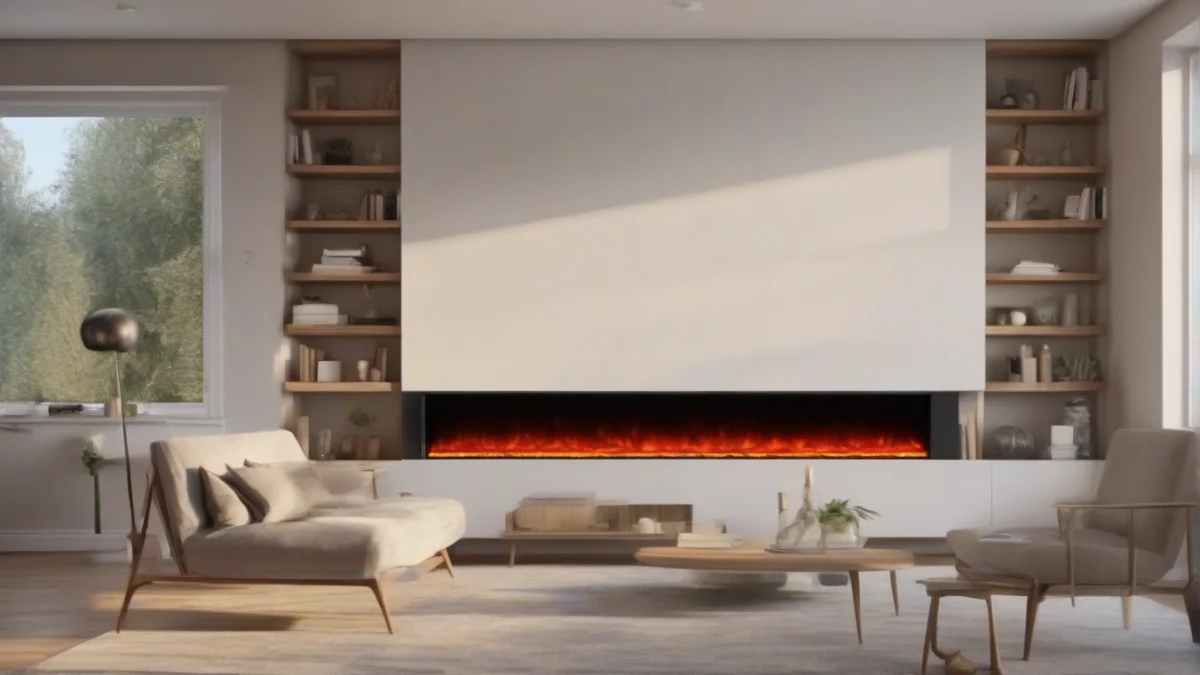
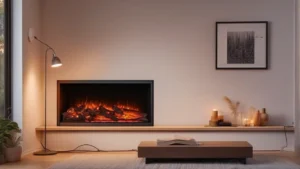
Clearance requirements vary by fireplace type. Wall-mounted units usually need 3 to 6 inches from combustibles on all sides except the front, which requires 3 feet. Recessed models have tighter side clearances, often around 3 inches, but must have 3 feet clearance in front to allow airflow and avoid overheating. Insert fireplaces, designed to fit into existing masonry or framed openings, follow similar side and top clearances of about 3 to 6 inches but must maintain 3 feet in front for safety.
Even though electric fireplaces don’t have real flames, clearance matters because the heating elements can reach temperatures high enough to ignite nearby materials. Heat buildup and restricted airflow can degrade finishes or cause a fire hazard. The clearance also ensures the unit’s fan and heat dispersal work properly without obstruction.
Installing your fireplace too close to walls or furniture can block airflow and increase heat stress on the unit, shortening its lifespan. Manufacturers set these distances based on testing for safe operation and to meet UL or ETL safety listings.
Most electric fireplaces mount best 12 to 24 inches above the floor, which keeps the heat at a comfortable level for a room and prevents damage to low furniture or carpets. Below 12 inches, heat may rise too close to the floor, risking damage. Above 24 inches, the heat may not distribute evenly in the room. If you’re installing a wall-mounted unit, check the manual for the recommended minimum height; some models allow mounting from 12 inches up, others require more clearance.

Prepare Your Space and Tools Before Installing an Electric Fireplace

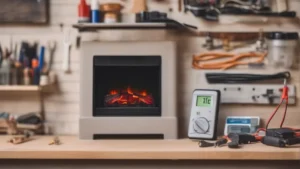
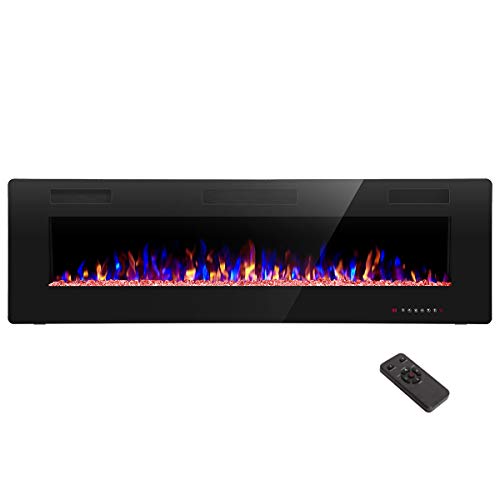
Before installing, gather tools like a stud finder, level, drill, screwdriver, and the mounting hardware that comes with your fireplace. Clear the area and measure your space carefully to meet clearance requirements.
Gather the essential tools: a stud finder, level, drill with appropriate bits, screwdriver, and a tape measure. These basics cover mounting and leveling the unit. You may also need drywall anchors if studs don’t line up with the bracket holes.
Check your power supply before starting. The electric fireplace needs a grounded, dedicated outlet rated for its wattage, usually 1,500 W or less, on a 15-amp circuit. Avoid sharing this outlet with heavy appliances to prevent tripped breakers. If the space lacks a proper outlet, plan to have one installed by a licensed electrician.
Protect your work area by clearing furniture and fragile items. Cover floors with a drop cloth or cardboard to guard against scratches and dropped screws. If your installation requires cutting or patching drywall, having sheetrock on hand is wise. You don’t typically need to sheetrock inside the fireplace cavity unless you’re finishing a rough framed opening or repairing damaged drywall.
A level installation is crucial. Double-check levelness before drilling holes or securing brackets. Many electric fireplaces come with mounting templates—use these to mark drill points accurately. Taking the time to prepare your space and tools makes the installation smoother and reduces the risk of damage or misalignment.
Step-by-Step Installation of an Electric Fireplace
Start with an electric fireplace insert if you’re replacing an old unit. Remove the old fireplace and clean the cavity. Measure the opening to ensure the new insert fits snugly without forcing it. The insert should slide in smoothly, with clearances matching the manufacturer’s specs—usually a few inches on the sides and back.
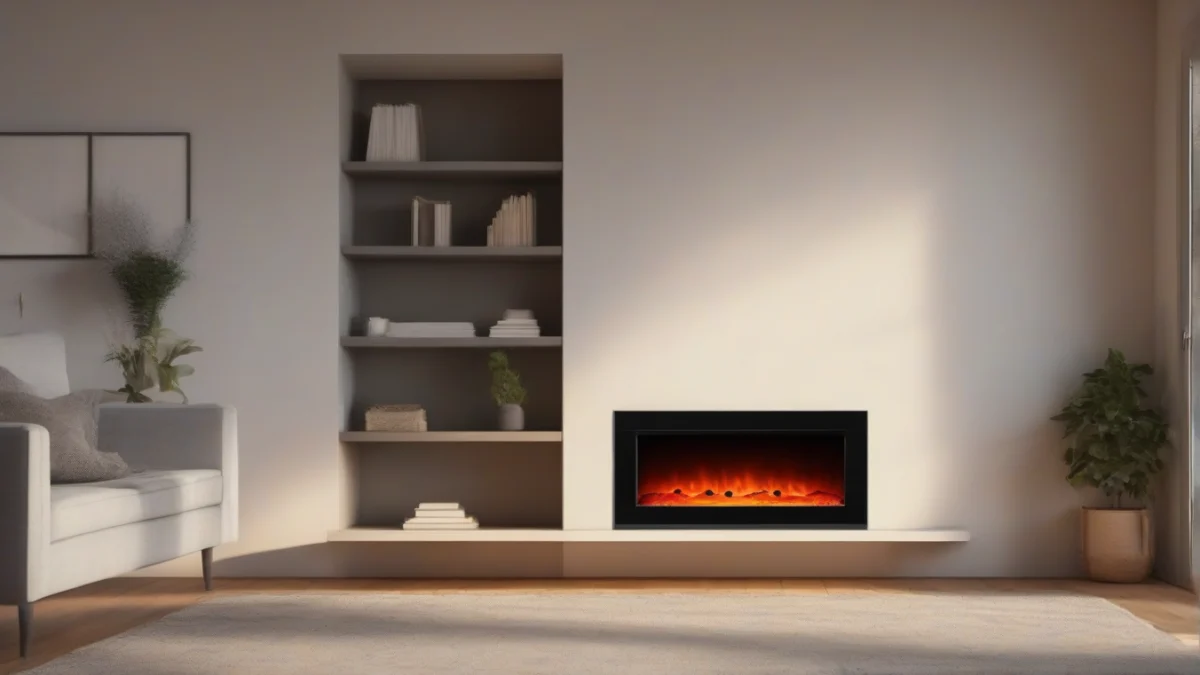
For built-in electric fireplaces, mark the wall or cabinet where the unit will go. Use a level and pencil to outline the opening exactly to the fireplace dimensions. Then cut the opening carefully with a drywall saw or jigsaw, avoiding electrical wires and plumbing. Reinforce the surrounding framing if needed to support the fireplace’s weight.
Wall-mounted units need secure mounts or brackets. Locate studs in the wall with a stud finder, mark the bracket positions at the correct height, and drill pilot holes. Use lag bolts or heavy-duty screws to fasten the brackets firmly to the studs. Hanging the fireplace on drywall anchors alone risks it pulling loose.
Power connection is critical and must meet code. Most plug-in fireplaces simply use a dedicated 15-amp outlet within 6 feet. Hardwired units require a licensed electrician to connect to a junction box with a proper circuit breaker. Never use extension cords or power strips, as these can overheat and cause fire hazards.
Once the unit is mounted and powered, test its operation. Turn on the fireplace using the controls or remote, checking the heater function, flame effects, and any timers or safety features. Listen for unusual noises or smells, which could indicate wiring issues or manufacturing defects.
Finish the installation by sealing gaps between the fireplace and surrounding wall or mantel with high-temperature caulk or trim pieces. If installing a fireplace with a mantel, secure the mantel according to its instructions, ensuring it won’t interfere with clearance requirements or heat flow.
An electric fireplace with mantel often comes as a freestanding unit or a two-piece kit. Assembly usually involves attaching the mantel surround to the fireplace insert securely, ensuring all clearances and instructions are followed to avoid overheating or fire risk.
Common Installation Mistakes That Cause Damage or Leaks
Common mistakes include placing the fireplace too close to curtains or furniture, using extension cords, or ignoring the manufacturer’s clearance instructions. These can cause overheating, damage, or fire risk.
Ignoring clearance distances lets heat build up against walls or furniture, risking fire and damaging the unit. Keep at least 3 feet clear in front and 3 to 6 inches on the sides and top.
Extension cords and improper outlets cause voltage drops or overheating. Electric fireplaces must plug directly into a dedicated 120 V outlet rated for their wattage—usually up to 1,500 W—which prevents fuse trips and fire hazards.
When the fuse blows, replace it only with one matching the exact amperage specified by the manufacturer. Using a higher rating voids safety and invites damage.
Incorrect mounting stresses the fireplace frame and internal parts. Wall inserts need solid, level support and proper anchoring to avoid warping or loosening, which leads to rattles or worse.
Insert models often leave gaps if not sealed properly. Unsealed gaps let cold drafts in and heat escape, wasting energy and making the room uncomfortable. Use heat-resistant caulk or foam as the instructions suggest.
The fault code EE usually means an electrical error, often a sensor or wiring problem. Check connections and consult the manual before calling in a pro.
When to Get Permits or Hire a Licensed Professional
Local codes often require permits for electrical work beyond plugging into an existing outlet. Adding a new circuit or outlet for an electric fireplace almost always needs a permit and inspection.
If your fireplace’s power requirements exceed 1,500 watts, or if you need a dedicated circuit, hire a licensed electrician. They ensure wiring meets code, which protects your home and your insurance.
Plug-in models rarely need a permit, but built-in or recessed fireplaces usually do. They may require new wiring, mounting, and sealing that exceed typical DIY skills.
Search for “electric fireplace repair near me” when the unit won’t heat, shows error codes, or has electrical issues you can’t fix safely yourself.
Experts who fix electric fireplaces have training in both electrical systems and heating components. They can diagnose problems faster and avoid damage from incorrect repairs.
Electric fireplace power requirements vary typically from 750 to 1,500 W. Confirm your model’s rating before upgrading or modifying your electrical system to avoid overloads.
If in doubt about your installation skills or local code requirements, calling a professional is safest. They handle permits, inspections, and compliance, keeping your home safe and your warranty intact.
For more on repair options, see Who Can Fix Your Electric Fireplace? Expert Solutions.
More Questions, Answered
How far should an electric fireplace be from the floor?
Can I plug an electric fireplace into a standard outlet?
Do I need clearance behind a recessed electric fireplace?
What is the minimum space needed in front of an electric fireplace?
Is it safe to mount a TV above an electric fireplace?
Can I install an electric fireplace insert myself?
When do I need a permit for electric fireplace installation?
More electric fireplaces guides on HeaterGuides.