How Many Space Heaters Can You Safely Run in a House?
Joye
Updated October 8, 2026 9 min read
At a glance
Usually one 1,500 W space heater per 15-amp circuit, and only if that circuit has little else on it. The real limit is the breaker and the heater’s draw, not how many rooms feel cold.
A standard plug-in heater pulls about 1,500 W, or roughly 12.5 A on 120 V. On a 15 A circuit, that leaves very little room before you hit the 80% continuous-load rule.
A house may have many circuits, but each one is its own lane. Put two heaters on the same circuit and the breaker may trip; put them on separate circuits and the question changes to whether the rest of the load is light enough.
The essentials
One 1,500 W heater is the practical limit on a 15 A, 120 V circuit.
Two heaters can be safe only if they are on different circuits and each circuit stays under load.
Never use an extension cord or power strip with a space heater.
If you need more heat than one heater can safely provide, heat fewer rooms or upgrade the heating system.
A CO alarm matters for any fuel-burning backup heat, not for plug-in electric heaters.
How Many Space Heaters Can You Safely Run in a House?
You can usually run one 1,500-watt space heater per 15-amp circuit safely, assuming little else is on that circuit. Running more than one on the same circuit risks tripping the breaker or causing overheating.
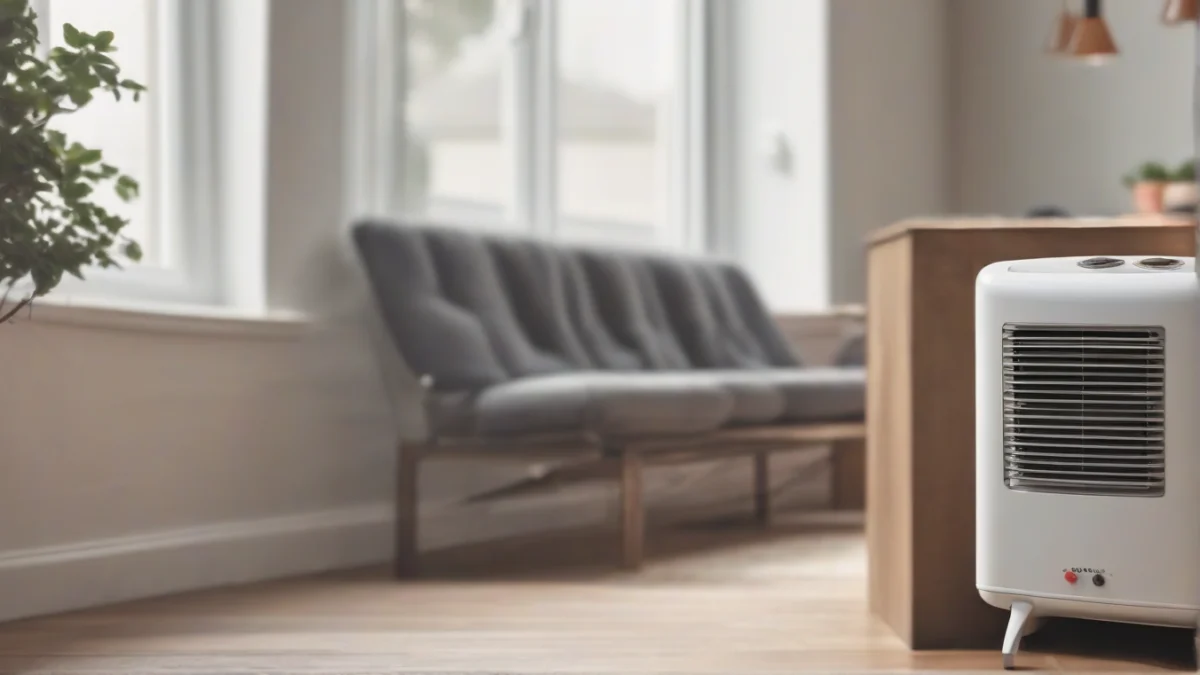
This space heater is suitable for a 15-amp circuit.
A 1,500 W space heater draws about 12.5 amps at 120 volts, which is already close to the 80% continuous load limit for a 15-amp breaker. That 80% rule means you shouldn’t exceed 12 amps continuously, so one heater fills most of that budget.
Even on a 20-amp circuit, two heaters usually push the load too high. The breaker rating isn’t a housewide budget; it applies per circuit. Your main panel might handle 100 amps total, but each circuit has its own limit and wiring.
Circuit Rating
Max Continuous Load (80%)
Heater Load (12.5 A)
Max Heaters
15 A
12 A
12.5 A
1
20 A
16 A
12.5 A
1 (two too many)
How many heaters per circuit fits the 80% safety rule
Worked example
A 1,500 W heater used for 8 hours draws 12 kWh of electricity. At 17 cents per kWh, that adds about $2.04 to your electric bill each night. Running two heaters doubles this cost and may trip the breaker.
12.5 A
Heater amperage
How much current a typical 1,500 W space heater draws at 120 V
Quick answer
One 1,500 W heater per 15-amp circuit is safe if nothing else uses power there. More than that risks tripping breakers and overheating wiring.
Safety warning
Always plug space heaters directly into a wall outlet, never an extension cord or power strip. Keep at least 3 feet clearance around the heater to reduce fire risk.
Safe efficient electric space heater
Space Heater, WINHL Portable Electric Heaters for Indoor Use,70°Oscil…
This WINHL portable electric heater fits a typical 1,500 W load with built-in overheat and tip-over protection, making it a safer choice for your circuit.
How many space heaters you can run changes if the circuit also powers other devices. A circuit shared with a TV, microwave, or computer desk usually can’t handle more than one heater.
Circuit Condition
How Many Heaters
Notes
Shared with fridge or microwave
0 or 1
Heater load plus appliance can overload circuit
Dedicated solely to heaters
1 or sometimes 2
Better for heaters but check breaker limit
Bathroom, closet, damp areas
Usually 0
Avoid space heaters due to moisture and safety risks
Circuit conditions change heater limits
Oil-filled radiators keep radiating heat after the thermostat stops the electric element, because the oil and metal stay hot. But they still draw the full electrical load while running and count the same as other heaters.
Oil-filled heaters
These are safer for seniors or people sensitive to hot blasts because they have lower surface temperatures and steady heat. However, they are not safe to use in closets or tight spaces due to their size and heat output.
Myth
Oil space heaters are safe to use in closets or cramped spaces
Fact
They’re not safe there because confined spaces trap heat and raise fire risk, plus the heater’s size and surface temperature require good clearance.
Safer space heaters for elderly or home use usually mean models with lower surface temperature and automatic shutoffs, not a free pass to run multiple heaters or ignore clearance rules.
What You’ll Need
A safe, efficient space heater and basic safety gear keep you warm without tripping breakers or risking accidents.
Safe for indoor use
WINHL Portable PTC Ceramic Space Heater
This heater uses fast PTC ceramic technology and oscillates automatically to spread warmth evenly. It includes tip-over and overheat protection, making it a reliable choice for safe, efficient heating on a dedicated circuit.
Space heaters are safe only if you follow strict setup rules: plug them directly into a wall outlet, not an extension cord or power strip. Extension cords can overheat and cause fires because they aren’t designed for continuous high current draw.
Always plug space heaters directly into wall outlets for safety.
Look for models with tip-over shutoff and overheat protection. These features automatically cut power if the heater falls or gets too hot, reducing fire risk. Also, choose heaters with a UL, ETL, or CSA listing, showing they meet recognized safety standards.
Space heaters are dangerous mainly because they can tip over, overheat, or have damaged cords that spark. Always keep the heater at least 3 feet away from anything flammable like curtains or furniture, and place it on a hard, level surface to prevent tipping.
Safe Setup Checklist
Plug heater straight into a wall outlet
Keep 3 feet clearance from combustibles
Place heater on a hard, level surface
Stop use if cord or plug feels hot
Common Mistakes To Avoid
Never use extension cords or power strips with space heaters. Avoid damaged cords or plugs, and do not connect more than one heater to the same outlet or daisy-chain heaters together.
For bedrooms, the safest practice is to turn off the heater when you sleep unless the manufacturer explicitly states it’s designed for unattended use. This reduces fire risk overnight.
Safe Small-Room Heater
Space Heater, WINHL Portable Electric Heaters for Indoor Use,70°Oscil…
The WINHL Portable Electric Heater has built-in tip-over and overheat protections plus an ETL listing, making it a reliable option for bedrooms or small offices.
It’s better to heat only the room you occupy with a space heater rather than trying to warm the whole house using multiple plug-in units. Running several heaters can overload circuits and raise safety risks.
If your house needs more heat than a couple of circuits can handle, focus on improving insulation and sealing drafts to reduce heat loss. Using your central heating system is safer and more efficient for whole-house warmth.
Never use outdoor patio or construction heaters indoors. If you use any fuel-burning heater inside, install a carbon monoxide alarm to protect against poisoning.
Carbon Monoxide Safety
A working CO alarm is essential any time you run fuel-burning heaters indoors, even kerosene or propane models.
Generator and Solar Power
Generators and solar systems require separate calculations to match heater load and starting current. A generator must be rated for the heater’s peak power draw to run safely.
For more on comparing space heaters against whole-house heat, see our article on whether it’s cheaper to run one heater or your central system.
What To Do Next
1
Identify Heater Wattage
Look at the heater’s label or manual to find its exact wattage. Most plug-in space heaters are around 1,500 watts, but double-check to be sure.
2
Find Your Breaker Size and Load
Locate the circuit breaker for that outlet, usually 15 or 20 amps at 120 volts. Calculate the total load by adding any other devices on the same circuit. The 80% rule means you should not exceed 12 amps on a 15-amp breaker (1,440 watts).
3
Adjust Heater Count
If your total load gets close to the breaker’s safe limit, reduce the number of heaters or plug some into different circuits to avoid tripping breakers.
4
Add Combustion Heat Safely
If you add a propane or kerosene heater for backup heat, make sure it’s rated for indoor use, has a working carbon monoxide alarm nearby, and follow all manufacturer instructions precisely.
5
Fix Whole-House Cold at the Source
Stacking plug-in heaters doesn’t solve poor insulation or an inadequate central heating system. For lasting comfort, improve insulation or repair your main heating system instead.
In short
Use one 1,500-watt heater per 15-amp circuit with little else on it. Check your breaker size and total load before adding more. For whole-house warmth, fix your insulation or heating system rather than piling on space heaters.
More Questions, Answered
Can you plug two space heaters into one outlet?
You should avoid plugging two space heaters into one outlet because each heater can draw up to 12.5 amps at 1,500 watts, which risks overloading the outlet and tripping the breaker or causing a fire hazard. The outlet wiring and breaker are designed for a maximum current, and doubling the load exceeds safe limits.
How many watts does a space heater use on high?
Most standard space heaters use about 1,500 watts on their highest setting. This draws roughly 12.5 amps on a 120-volt circuit, which is near the limit of a typical household circuit breaker rated for 15 amps.
Are space heaters safe with extension cords?
Space heaters must never be plugged into extension cords or power strips because these can overheat and cause fires. The heater should go directly into a wall outlet with no other devices on the same circuit to avoid overload and ensure the cord can safely handle the current.
Can you run a space heater overnight in a bedroom?
Running a space heater overnight is only safe if the model is explicitly designed for unattended use and has tip-over and overheat protection. Even then, place it on a hard, level surface with at least 3 feet of clearance and never leave it running while you sleep without these safety features.
What kind of space heater is safest for seniors?
Heaters with automatic shut-off features, tip-over protection, and cool-to-touch exteriors are best for seniors. Models with easy-to-use controls and thermostats help maintain a steady temperature without frequent adjustments, reducing the risk of burns or accidental misuse.
Why are space heaters dangerous in the first place?
Space heaters pose risks mainly due to fire hazards from overheating, tip-overs, and electrical overloads. They draw high current, which can overload circuits or cords not rated for that load, and their hot surfaces can ignite nearby combustibles if placed too close.
I am a mechanical engineer and love doing research on different home and outdoor heating options. When I am not working, I love spending time with my family and friends. I also enjoy blogging about my findings and helping others to find the best heating options for their needs.