

You notice the water isn’t as hot as it used to be. The unit cycles on and off more often. Maybe an error code flashes on the digital display. That’s when the question hits: how long do Rinnai gas heaters last, and am I already past the point of no return?
Here’s the honest answer: a well-maintained Rinnai tankless water heater typically runs 15 to 20 years. Some units push past 25 years in soft-water areas with meticulous care. Others die before year 10 because of poor installation, hard water scale, or neglect. This guide walks you through the real-world lifespan, the factors that kill units early, and the financial math that tells you when to repair versus replace.
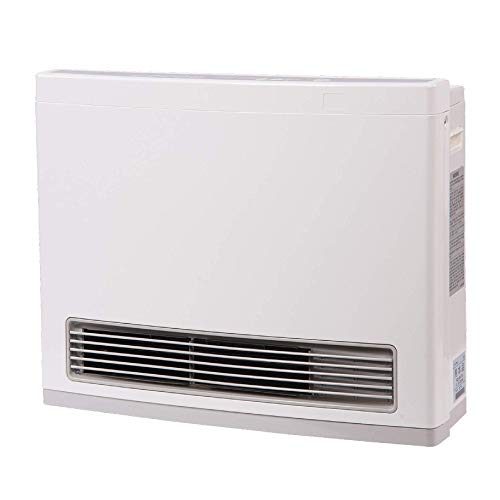
Rinnai
Rinnai FC824N Ventless Natural Gas Heater with…
- Efficient Heating: Our small space heater provides powerful warmth in compact rooms; With its warm air outlet and bottom front lou…
- Smart Control: Enjoy precise temperature control with our room heater's programmable thermostat display; The digital adaptive cont…
- Peace of Mind: Our wall heater is designed with your safety in mind with a flame failure device, overheat switch, oxygen depletion…
If you’re looking for a compact ventless option for a single room or small apartment, the Rinnai FC824N Ventless Natural Gas Heater is a solid choice. It includes a programmable thermostat and safety features like an oxygen depletion sensor. That model is a space heater, not a water heater, so the lifespan discussion below focuses on the tankless water heaters Rinnai is famous for.
The Short Answer: How Long Do Rinnai Gas Heaters Last?
Rinnai’s own documentation and industry data point to a 15–20 year service life for their tankless water heaters. The tankless design avoids the standby heat loss and tank corrosion that plague traditional storage tank units, which usually last 8–12 years. The heat exchanger is the critical component – it’s the part that typically fails first.
But that 15–20 year figure assumes you follow the maintenance schedule in the manual. Skip the annual flush and you can cut that down to 8–10 years, especially if you have hard water. The warranty covers the heat exchanger for 15 years on most residential models, which tells you something about the expected lifespan.
Rinnai’s Official Lifespan Rating vs. Real-World Data
Rinnai doesn’t publish a single ‘years of life’ number because so much depends on usage and water quality. But the warranty structure is a strong hint. Most Rinnai tankless water heaters come with a 15-year heat exchanger warranty, a 5-year parts warranty, and a 1-year labor warranty. If the manufacturer is willing to back the heat exchanger for 15 years, they expect most units to last at least that long.
Real-world data from plumbing forums and service records shows a wide spread. Units in areas with soft water and annual maintenance routinely hit 20–25 years. Units in hard-water regions (like much of the Southwest) without a softener or descaling routine often fail at 8–12 years. The difference isn’t the brand – it’s the water chemistry and the care.
One thing to note: Rinnai’s tankless units are built to be serviced. The heat exchanger can be replaced, but the labor cost often exceeds the value of the unit. That’s why the repair-versus-replace decision matters.
5 Factors That Will Kill Your Rinnai Heater Early
Hard Water and Scale Buildup
Hard water is the number one killer of tankless water heaters. Calcium and magnesium precipitate out as the water heats, coating the heat exchanger tubes with scale. That scale acts as an insulator, so the unit has to work harder to transfer heat. Eventually, the metal overheats and cracks.
A whole-home water softener is the best defense. If you can’t install one, an inline scale inhibitor (like a catalytic descaler) helps, but it’s not as effective. The most important thing is to flush the unit annually with a descaling solution (vinegar or citric acid) – this removes any scale that has built up. In hard-water areas, you might need to flush every 6 months.
Improper Installation (The Silent Killer)
Rinnai units are precise pieces of equipment. They need the correct gas line size, proper venting, and adequate clearance. A common mistake is installing a unit with an undersized gas line – the unit can’t get enough fuel, so it runs inefficiently and may overheat. Another is poor venting, which can cause exhaust to recirculate and damage the combustion chamber.
Professional installation isn’t a suggestion – it’s a requirement for the warranty. Rinnai’s warranty requires proof of professional installation. A DIY install voids it, and a bad install can permanently shorten the unit’s life. If you’re considering a heater, check the gas heater lifespan tips guide for more on installation pitfalls.
Skipping Annual Maintenance
The most common reason Rinnai units die early is simple neglect. The annual flush isn’t optional. Here’s what happens: sediment and scale build up, the flow sensor gets clogged, error codes start appearing, and the unit eventually shuts down. A $100 annual service call can prevent a $1,500 replacement.
DIY maintenance is possible if you’re handy. You’ll need a bucket, a submersible pump, a hose, and descaling solution. But if you’re not comfortable working with gas and water lines, hire a pro. The cost is worth it.
Overworking the Unit
Every Rinnai model has a maximum flow rate (in gallons per minute). If you install a unit that’s too small for your household’s peak hot water demand, it runs at maximum capacity constantly. That shortens its life. A family of four with two bathrooms needs at least a 6.5 GPM unit. Cramming a smaller unit in to save money is a false economy.
Poor Water Quality (Not Just Hardness)
Hard water is the obvious problem, but other water quality issues matter too. High chlorine levels can corrode the heat exchanger over time. Sediment and particulates can clog the water filter and flow sensor. If you have well water, you need a sediment filter before the unit. Rinnai recommends a water filter for all installations – it’s cheap insurance.
The Lifespan of Tankless vs. Traditional Tank Heaters
| Heater Type | Typical Lifespan | Maintenance | Efficiency | Replacement Cost |
|---|---|---|---|---|
| Rinnai Tankless | 15–20 years | Annual flush, filter cleaning | 90–95% AFUE | $1,500–$3,500 |
| Standard Tank | 8–12 years | Annual drain, anode rod check | 60–70% AFUE | $800–$1,500 |
| Heat Pump Tank | 10–15 years | Filter cleaning, annual check | 200–300% efficiency | $2,000–$4,000 |
The table above shows the trade-off. Tankless units cost more upfront but last longer and use less energy. Tank units are cheaper to buy but fail sooner. If you’re comparing options, check our natural gas water heater lifespan guide for more details.
Warning Signs Your Rinnai is Dying (And Error Codes to Watch)
Rinnai units display error codes on the digital panel. Some indicate simple fixes; others signal the end. Here are the common ones:
- Error Code 11: No flame ignition. This could be a gas supply issue, a dirty burner, or a failing igniter. Often a simple fix, but if it recurs, the control board may be failing.
- Error Code 12: Flame loss. The unit lit but then lost the flame. Check the gas pressure and venting. Could be a dirty flame rod.
- Error Code 14: Thermal fuse or overheat. This is serious – the heat exchanger is overheating, often due to scale buildup. If it happens after a flush, the heat exchanger may be cracked.
- Error Code 16: Overheat. Same as 14 but on the outlet side. Usually scale-related.
- Error Code 33: Communication error. Usually a wiring issue, but can indicate a failing control board.
Beyond error codes, watch for these symptoms: water takes longer to heat, the unit cycles on and off rapidly, or you hear rumbling noises (scale popping). If you see any of these, call a technician. A simple diagnosis now can save you from a full replacement later.
Repair vs. Replace: When to Cut Your Losses
Here’s the financial rule of thumb: if a repair costs more than 50% of the replacement cost, replace the unit. That’s the tipping point where you’re throwing good money after bad. For a Rinnai tankless unit that’s 10+ years old, a heat exchanger replacement (which can cost $1,000–$1,500 in parts and labor) often exceeds the value of the unit.
But it’s not just about the cost. Consider the age: a unit over 15 years old has already exceeded its expected lifespan. Even if you fix the current issue, the next component is likely to fail soon. A new unit costs more upfront but comes with a new warranty, better efficiency, and lower operating costs.
On the other hand, if the unit is under 8 years old and the repair is minor (like a faulty sensor or a clogged filter), it’s worth fixing. The cost of a repair is usually $150–$400, which is far less than a replacement. Always get a diagnostic from a qualified technician before making the call.
How to Maximize Your Rinnai’s Lifespan (Maintenance Checklist)
Here’s a practical checklist you can follow to get the most out of your Rinnai:
- Read the manual. Rinnai provides specific maintenance intervals. Follow them.
- Flush the unit annually. Use a descaling solution and a submersible pump to circulate it through the heat exchanger for 45 minutes. This removes scale and sediment.
- Clean the water filter. There’s a small screen at the cold water inlet. Remove and rinse it every 3 months.
- Check the venting. Make sure the intake and exhaust pipes are clear of debris, bird nests, or snow.
- Inspect for leaks. Look for water drips or corrosion around the unit. Address them immediately.
- Test the pressure relief valve. A faulty valve can cause pressure buildup and damage the heat exchanger.
- Schedule a professional tune-up every 2 years. A technician can check gas pressure, burner flame, and internal components.
One pro tip: if you live in an area with hard water, invest in a water softener. It’s the single best thing you can do for any water heater. The softener pays for itself in extended lifespan and reduced energy bills.
Rinnai Warranty: What’s Covered and For How Long?
Rinnai’s warranty is one of the best in the industry, but it has conditions. The standard residential warranty covers the heat exchanger for 15 years, parts for 5 years, and labor for 1 year. Commercial units have different terms, so check your model.
The warranty is void if the unit isn’t installed by a licensed professional. It also requires proof of annual maintenance. Keep your receipts and service records. If you skip the flush and the heat exchanger fails, Rinnai can deny the claim.
There’s a catch: the warranty covers the cost of the part, not the labor. After the first year, you’ll pay for the technician’s time. That’s why the repair-versus-replace math matters. A heat exchanger replacement under warranty still costs $500–$800 in labor.
Final Verdict: Is a Rinnai Worth the Investment?
Yes, if you’re prepared for the maintenance. Rinnai tankless water heaters are efficient, reliable, and long-lasting when cared for properly. The 15–20 year lifespan beats tank units by a wide margin. The energy savings (up to 30% compared to a tank) add up over time.
But they’re not set-and-forget appliances. If you won’t commit to annual maintenance, a tank heater might be a better fit. That’s not a criticism – it’s a practical observation. The people who hate their Rinnai are the ones who never flushed it and then blame the unit when it dies.
If you’re weighing a Rinnai against other options, our heat pump water heater lifespan guide covers an alternative that’s even more efficient but has its own quirks.
Here are the key points to remember:
- Plan for 15–20 years of service, but expect less if you skip maintenance.
- Hard water is the enemy – install a softener or flush more often.
- Professional installation is non-negotiable for warranty and lifespan.
- Annual flush and filter cleaning are the two most important tasks.
- Replace the unit if a repair exceeds 50% of replacement cost.
- Keep all service records – they’re required for warranty claims.
- If you see error codes 14 or 16, call a technician immediately.
You now have the full picture. The question isn’t just how long Rinnai heaters last – it’s how long your heater will last, and that depends on what you do this year, next year, and the year after.

I am a mechanical engineer and love doing research on different home and outdoor heating options. When I am not working, I love spending time with my family and friends. I also enjoy blogging about my findings and helping others to find the best heating options for their needs.
Related guides

Smart Gas Space Heater Tips: Save Money & Stay Warm
You bought a gas space heater to stop fighting with your spouse over the thermostat. But then the…

Five Game-Changing Natural Gas Ceiling Mounted Heaters You Must See
85% of homeowners choose natural gas ceiling-mounted heaters for efficient heating. That’s why the Bromic Heating BH0110003-1 Smart-Heat…

Can Water Heaters Leak Gas? Signs & Safety Steps
You smell something odd near the utility closet. It's faint at first, like a match being struck, then…