Electric Fireplace Height Guide: Optimal Mounting Position
On this page 6 sections
The most common mistake is treating fireplace height like wall art height. That costs you heat loss, noisy operation, and sometimes a cut wall that has to be patched because the unit, mantel, or TV clearance was wrong.
For a recessed or wall-mounted electric fireplace, the manual beats any general rule. If the listing says the bottom edge, top edge, or mantel height must fall in a certain range, that number wins.
Electric Fireplace Height Guide
The right height for an electric fireplace depends on the model’s manual and clearances, not a universal floor-to-bottom rule. You want it mounted where the viewing angle feels natural, airflow isn’t blocked, and the heater’s intake and outlet vents have the space they need.

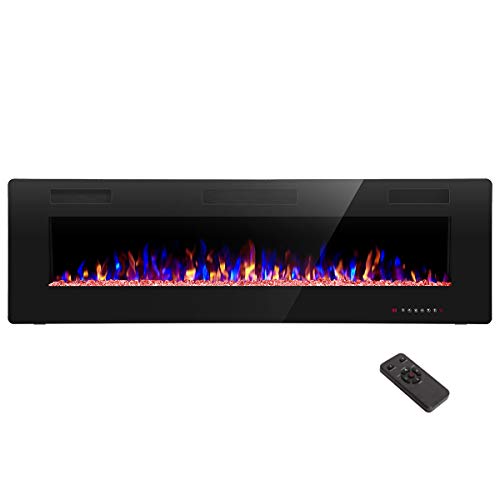
Most recessed or wall-mounted electric fireplaces sit higher than a traditional hearth, often 18 to 24 inches above the floor, but the exact height depends on the unit’s dimensions and clearance specs. The bottom edge shouldn’t be so low it interferes with baseboards, rugs, or furniture that could block airflow or cause hot spots.
Plug-in electric fireplaces don’t need a chimney or venting like gas or wood models. They require a grounded outlet rated for their wattage, ideally within a few feet so the cord isn’t stretched or hidden behind the unit. Clearance for the cord and easy access to the plug matter just as much as the heater’s clearances.
| Type | Typical Bottom Edge Height |
|---|---|
| Plug-in wall mount | 18-24 inches |
| Recessed mount | 20-30 inches |
| Linear wall mount | 24-36 inches |
If your fireplace is a linear model, it often sits higher on the wall to fit modern room designs and to keep the heat and flames visible above furniture. These units can be 2 to 3 feet above the floor or more, depending on the model’s size and vent placement.
Before drilling or mounting, measure the fireplace’s height, vent locations, and plug cord length. Confirm your outlet is rated for 120 volts and can handle the typical 1,500-watt load, drawing about 12.5 amps. Never use an extension cord or power strip with the heater.
How To Mount It Step by Step
Installing an electric fireplace in a wall or as a built-in insert starts with the right planning. Whether you’re mounting the unit into an existing fireplace opening or framing a new cavity, you’ll need to follow the manual’s instructions exactly for clearances and airflow.
Plug-in electric fireplaces must connect to a dedicated wall outlet that matches the unit’s power requirements; extension cords and power strips are unsafe and not allowed by code.
Electric fireplaces installed inside an existing fireplace opening need the same clearance and ventilation rules as built-in units. Don’t block air intakes or outlets with leftover bricks, screens, or debris.
For built-in electric fireplaces, the cavity framing should match the unit size exactly, allowing for air circulation as the manual directs. Sheetrock or a non-combustible back panel is often required to protect wall studs and finish the opening cleanly.
Mistakes That Damage Walls Or Overheat The Unit

An electric fireplace that isn’t blowing heat usually has a blocked air intake, is set to flame-only mode, has tripped its overheat protection, or suffers an internal fuse failure.
If the flame effect won’t stay on, check the control settings first. Common issues include a remote lock engaged, the unit set to heat-only mode with the flame off, or a thermal cutoff triggered. Fault codes or power switch positions can also explain why the flame disappears.
Electric fireplace remotes often show symbols indicating modes like heat, flame, or a lock. Learn these icons to avoid confusion over what the unit is doing. For example, a flame symbol with no heat bars means flame only, while a lock symbol means controls are temporarily disabled.
To know if an electric fireplace switch is on or off, look for a lit indicator or listen for the fan. Some models have a power light, others rely on the remote or control panel. If unsure, unplug the unit before working on it.
Never open the front glass or service panel without unplugging the fireplace first. The glass usually lifts or slides out with gentle pressure or specific clips. Consult your manual to avoid damage.
Replacing a fuse requires the exact type specified by the manufacturer. Using the wrong fuse risks fire or permanent damage. If you’re not sure how to identify the fuse, call a licensed pro instead.
Mounting mistakes cause most wall damage and overheating. Installing the fireplace too low can trap heat against the wall below, scorching paint or drywall. Tightening the mounting screws into weak drywall without anchors leads to cracked plaster or holes.
Blocking the heater’s air vents—usually hidden at the bottom or sides—prevents proper airflow. That causes hot spots inside the unit and cuts heat output. Never seal around the fireplace’s edges with caulk or foam where the manual says vents must remain open.
When You Need A Permit Or A Licensed Pro
Repairs for electric fireplaces that quit working often point to a need for a licensed professional, especially when error codes like E3 or EE show up repeatedly despite resets and vent cleaning.
The E3 code on an electric fireplace typically signals an internal fault—check your manual closely. If it returns after basic troubleshooting, the unit probably requires expert service. The same goes for E5 and EE codes; these faults often indicate electrical or sensor issues beyond DIY fixes.
Converting a gas fireplace to electric is rarely a straightforward weekend project. It usually involves reframing the opening, installing new electrical circuits, and sometimes adjusting vents or other components, all of which may trigger local code requirements and inspections.
Any work that involves hardwiring the fireplace or running new electrical circuits to support it almost always requires a licensed electrician and a permit. This includes jobs inside your home’s main service panel. Electrical codes and safety standards make these steps non-negotiable for homeowners.
Installing an electric fireplace into an existing fireplace opening might look simple, but it can also trigger local code or inspection rules. Check with your local building department before starting to ensure you meet all requirements.
What To Check Before You Drill
Before drilling to mount your electric fireplace, verify that your paint, mantel, and surround materials are rated for the unit’s heat output. Using unapproved materials risks damage or fire.

A mantel or surround affects the usable height for your fireplace and can change how it looks. The top edge might need to be higher or lower than you expect to keep clearances safe and maintain good sight lines to the flame.
A 1,500 watt plug-in electric fireplace draws about 12.5 amps at 120 volts. That means your outlet and circuit need to be in good shape and not shared with other heavy loads, or you risk tripping breakers.
Even decorative-only electric fireplaces need safe spacing because the heating element and flame display usually share the same cabinet. Heat can build up and damage nearby surfaces if clearances aren’t followed.
| Check | Why It Matters |
|---|---|
| Paint and Surround Rating | Prevent heat damage and fire risk |
| Mantel Height and Depth | Maintain clearance and viewing angle |
| Circuit Load and Outlet Condition | Avoid breaker trips and electrical hazards |
| Clearance for Decorative Units | Keep surfaces safe from heat buildup |
Questions People Ask
How far from the floor should an electric fireplace be?
Does an electric fireplace need a chimney?
What does E3 mean on an electric fireplace heater?
Why is my electric fireplace not blowing heat?
Can you plug an electric fireplace into a wall outlet?
How much clearance do you need around an electric fireplace insert?
More electric fireplaces guides on HeaterGuides.