

Solar powered heaters can seamlessly integrate with smart homes by utilizing IoT technology for remote control, energy monitoring, and automated temperature adjustments.
Solar powered heaters are revolutionizing smart homes by combining renewable energy with intelligent automation. These systems connect seamlessly with home networks to optimize energy use, reduce costs, and enhance comfort through advanced IoT technology.
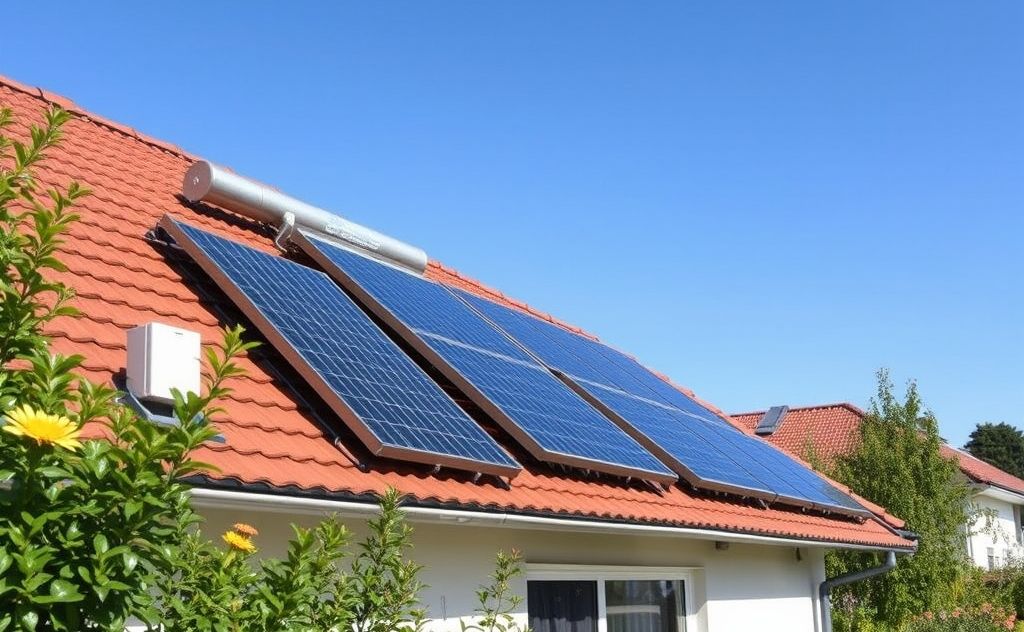
How Solar Heaters Connect to Smart Home Systems
Modern solar heating systems integrate with smart homes through several key technologies:
- Wi-Fi and Bluetooth connectivity for remote control
- Matter protocol for cross-platform compatibility
- Zigbee and Z-Wave for mesh networking
- API integrations with popular smart hubs
Smart Hub Integration

Solar heaters sync with platforms like Google Home, Amazon Alexa, and Apple HomeKit. This allows voice control and automation through routines. For example, you can program your solar window heaters to activate when indoor temperatures drop below a set point.
Energy Monitoring Features
Advanced systems provide real-time data on:
| Metric | Benefit |
|---|---|
| Solar input | Tracks renewable energy contribution |
| Heat output | Optimizes distribution |
| Battery levels | Manages backup power |
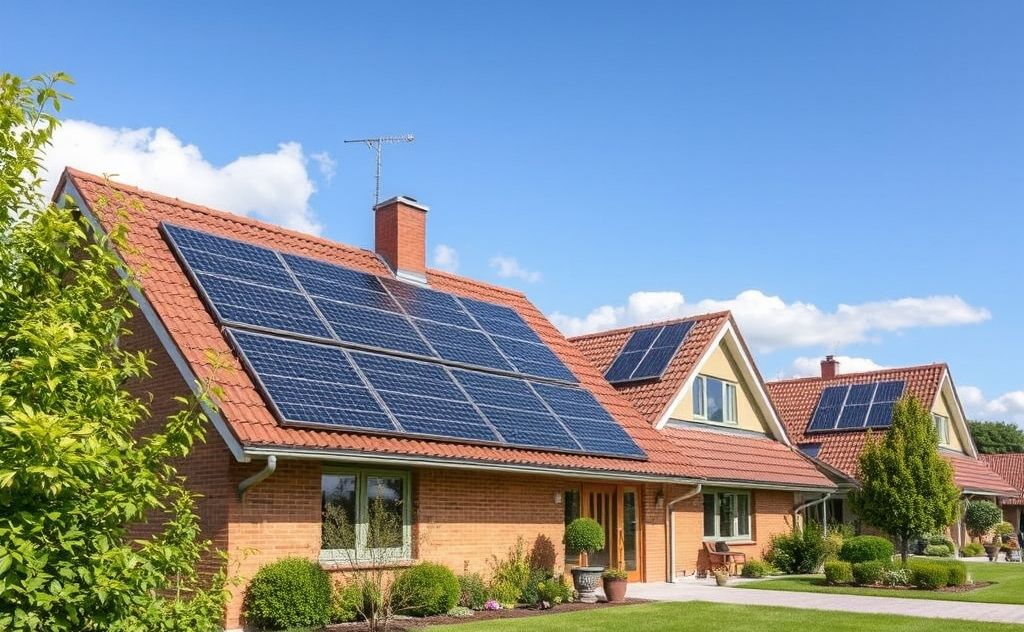
Key Benefits of Smart Solar Heating
Energy Efficiency
Smart solar heaters can reduce heating costs by up to 70% compared to conventional systems. They automatically adjust output based on:
- Weather forecasts
- Occupancy sensors
- Time-of-use electricity rates
Grid Independence
When paired with battery storage like the XtremepowerUS solar pool heater system, smart solar heaters provide backup during outages. Advanced models can even sell excess power back to the grid.
Automated Maintenance
IoT-connected systems monitor performance and alert you to issues like:
- Reduced solar panel efficiency
- Pump failures
- Low fluid levels
Installation Considerations
Proper integration requires attention to several factors:
System Sizing
Smart solar heaters should be sized based on:
- Home square footage
- Local climate conditions
- Hot water demand
Smart Thermostat Compatibility
Choose systems that work with popular smart thermostats like Nest or Ecobee. This allows for advanced features like geofencing and learning algorithms.
Future Expansion
Consider systems that can integrate with additional renewable sources. The U.S. Department of Energy recommends planning for future battery or panel additions.
Advanced Features in Modern Systems
Predictive Heating
AI-powered models analyze usage patterns and weather data to pre-heat water before peak demand periods.
Demand Response
Some utilities offer rebates for systems that automatically reduce load during peak hours. The EPA Green Power Partnership maintains a list of participating providers.
Multi-Zone Control
High-end systems allow different temperature settings for various home zones, similar to the precision offered by smart water heater thermostats.
Related pick: Check today's price on Amazon

HeaterGuides covers home heating, water heating and HVAC: how the equipment works, what it costs to run, and how to use it safely.