

Daily temperature fluctuations significantly influence snowmelt patterns by causing variations in melting rates, affecting water availability and ecosystem dynamics.
Daily temperature fluctuations play a crucial role in snowmelt dynamics, affecting water supplies, ecosystems, and winter recreation. Understanding these patterns helps predict spring runoff and manage water resources in snow-dependent regions.
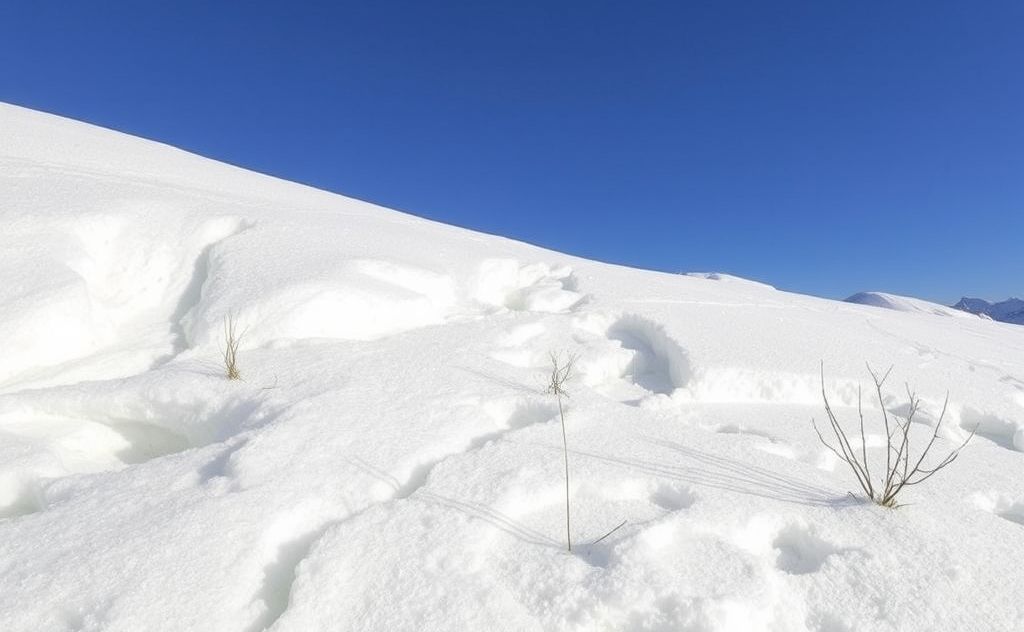
The Science Behind Temperature-Driven Snowmelt
Snowmelt occurs through a complex interplay of thermal energy transfer processes. When daytime temperatures rise above freezing, snow absorbs heat energy through:
- Direct solar radiation
- Warm air convection
- Ground heat conduction
At night, when temperatures drop below freezing, meltwater refreezes. This daily freeze-thaw cycle creates granular ice layers that accelerate future melting. According to climate research, each 1°C temperature increase can advance snowmelt timing by 3-7 days in mountainous regions.
Key Factors Influencing Melt Rates
Temperature Swing Magnitude
Larger daily temperature ranges (10°C+) cause more dramatic freeze-thaw cycles. This creates:
- Denser snowpack structure
- Increased liquid water content
- Higher albedo reduction
Snowpack Characteristics
| Snow Type | Melt Rate | Temperature Sensitivity |
|---|---|---|
| Fresh powder | Slow | Low |
| Granular snow | Moderate | Medium |
| Ice layers | Fast | High |
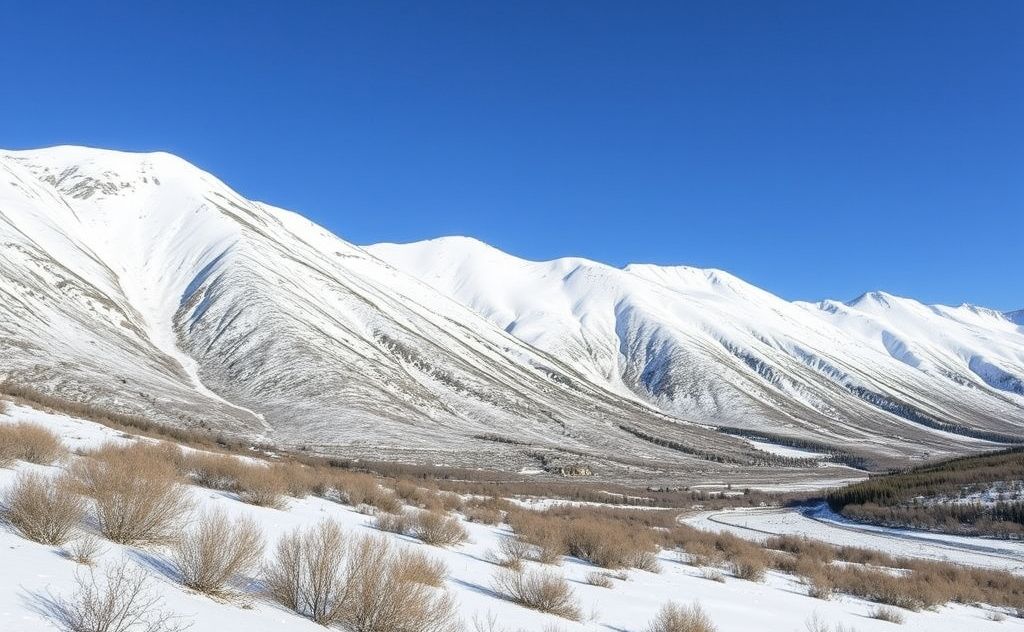
Regional Impacts of Changing Snowmelt
Western U.S. Water Systems
The Colorado River Basin has seen 20% less snow-derived freshwater since 1950 due to earlier melt. This affects systems like the water heating infrastructure that relies on consistent water supplies.
Northeastern Winters
Warmer winters create more freeze-thaw cycles, leading to:
- Shorter ski seasons
- More ice storms
- Unreliable snow cover
Great Lakes Snowbelts
Lake-effect snow patterns are changing as ice cover decreases. The 2023 season saw 40% less lake-effect snow than average in some areas.
Engineering Solutions for Changing Conditions
As snow patterns shift, communities are adapting with:
- Improved snowmelt forecasting systems
- Modified reservoir operations
- Enhanced water storage like the smart thermostat-controlled heaters for municipal systems
Research from Climate Central shows that snow-dependent regions will need to implement these adaptations as temperature variability increases.
Future Projections
Climate models predict:
- More frequent winter warm spells
- Increased rain-on-snow events
- Earlier peak snowmelt by 2-4 weeks by 2050
These changes will require significant adjustments in water management and winter recreation industries across snow-affected regions.

I am a mechanical engineer and love doing research on different home and outdoor heating options. When I am not working, I love spending time with my family and friends. I also enjoy blogging about my findings and helping others to find the best heating options for their needs.
Related guides

How to Predict Daily Temperature Variations Accurately
Daily temperature variations can be predicted using weather models that analyze atmospheric data, historical trends, and current conditions…
How Daily Temperature Changes Impact Society and Health
Daily temperature changes can significantly impact public health, energy consumption, agricultural productivity, and social behaviors, influencing community dynamics…
How Daily Temperature Swings Boost or Stunt Plant Growth
Daily temperature variations influence plant growth by affecting photosynthesis rates, nutrient uptake, and overall metabolic processes, impacting health…
