


Say your living room is 15 by 20 feet with an older baseboard heater running 10 hours a day at 1,500 watts. At 17 cents per kWh, that costs about $25.50 a month just to heat that one room. Using a smart thermostat and zone heating can lower that by a quarter or more.
This guide helps you pick the best electric baseboard heaters and controls, understand what specs matter, and use them to save energy without losing comfort.
Electric Baseboard Heater and Thermostat Specs Comparison
| Model | Best for | Power Output | Voltage Compatibility | Thermostat Type | Safety Features | Price |
|---|---|---|---|---|---|---|
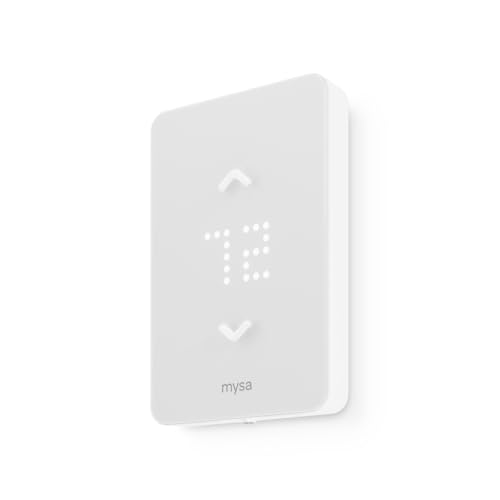
| Mysa Smart Thermostat LITE for Electric Baseboards | Best for Smart Control | — | 120V-240V | WiFi programmable, app control | — | Check price on Amazon |
| BEYOND HEAT 1500W Electric Baseboard Heater | Best for Quiet Comfort | 1500W | — | Adjustable manual thermostat | Tip-over and overheat protection | Check price on Amazon |
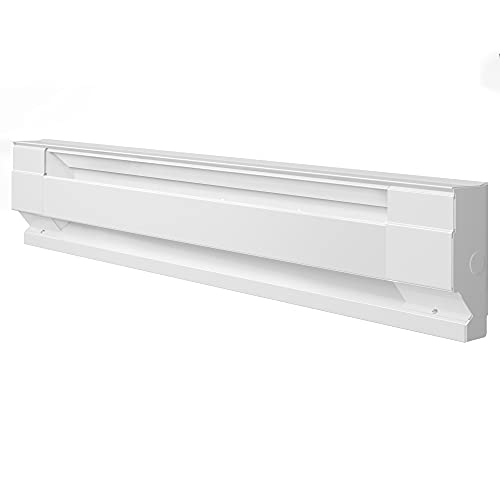
| Cadet F Series 36″ Electric Baseboard Heater | Best for Durable Heat | 750/563W | 240/208V | Requires external thermostat | — | Check price on Amazon |
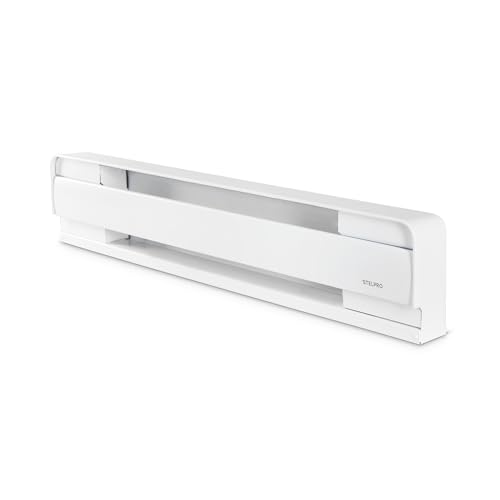
| Stelpro Brava 500W Electric Baseboard Heater | Best for Small Spaces | 500W | 120V | Requires external thermostat | Overheat protection | Check price on Amazon |
Best Electric Baseboard Heaters and Thermostats for Energy Savings
Mysa Smart Thermostat LITE for Electric Baseboards
BEYOND HEAT 1500W Electric Baseboard Heater
Cadet F Series 36″ Electric Baseboard Heater
Stelpro Brava 500W Electric Baseboard Heater
How Electric Baseboard Heaters Use Energy
Electric baseboard heaters convert all the electricity they use directly into heat, making their electric resistance heating 100% efficient. This means every watt you draw from the outlet becomes warmth in your room, without losses in the heating element itself.
Heat from these units moves by natural convection: warm air rises from the heater’s fins, drawing cooler air from the room floor to replace it. No fan runs, so the heater’s placement matters. Blocking airflow with furniture or heavy curtains reduces circulation and forces the heater to run longer.
Older baseboard heaters don’t consume more power for the same heat output than newer ones do. You won’t save energy by replacing a working electric baseboard with a newer electric model. The real energy losses happen outside the heater—in poorly insulated walls, windows, and doors where heat escapes.
Drafts and cold spots near exterior walls cause the heater to run more hours to maintain temperature. Sealing air leaks and upgrading insulation reduce heat loss and run time, which cuts your heating bill.
Water heater blankets don’t save energy on electric baseboard heaters because these heaters use electric resistance elements, not water. But insulating your water heater tank itself can reduce standby heat loss, saving energy for water heating separately.
Why Smart Thermostats Matter for Baseboard Heaters
A manual thermostat on a baseboard heater runs the unit until the room hits a set temperature, then shuts off. It can waste energy if rooms stay heated when unoccupied, or if you forget to lower the setting at night.
Programmable thermostats let you schedule temperature changes to match when rooms are actually used. For example, you can lower the heat during work hours and raise it before you come home. That avoids warming empty rooms and cuts electricity use.
Smart thermostats take control a step further. Connected via WiFi, they allow remote monitoring and adjustment from your phone. Features like geofencing detect when you leave or approach home and adjust heating automatically, so your baseboards run only when needed.
The Mysa Smart Thermostat LITE is designed specifically for electric baseboard heaters. It installs easily without rewiring, supports scheduling, and works with smart home systems. This makes it a practical upgrade to save money and improve comfort during heating season.
Using a smart thermostat is one of the best ways to save money with electric baseboards. By cutting unnecessary runtime and heating only occupied rooms at the right times, you reduce your electric bill without sacrificing warmth.
For more on choosing and using smart thermostats, see our smart thermostat buying guide.
How Zone Heating Cuts Energy Use
Baseboard heaters let you control each room separately with its own thermostat, making zone heating straightforward and effective.
Heating only the rooms you use cuts energy waste compared to central systems that warm the entire house. For older, draftier homes, this can be the best way to save energy without major renovations.
Manual zoning requires you to remember to lower the thermostat in empty rooms, which can be tricky. Smart thermostats automate this by dropping temperatures when rooms are unoccupied, locking in savings without effort.
Setting unoccupied rooms to around 55°F prevents freezing pipes and damage without burning unnecessary electricity. This temperature is low enough to save energy but high enough to protect your home.
If you use space heaters elsewhere, zone heating works well with electric baseboard heaters because both allow targeted warmth only where you need it. This avoids the cost of heating unoccupied spaces.
Sizing and Placement for Maximum Efficiency
Choosing a baseboard heater sized for your room’s square footage avoids oversizing, which wastes energy by overheating the space and cycling the heater on and off more frequently.
Keep heaters at least 2 cm above carpet and clear of furniture or curtains. This spacing ensures airflow for proper convection heating and prevents heat buildup that reduces efficiency.
Avoid placing heaters near drafty windows or exterior walls. Heat lost through these areas forces your heater to run longer, hiking energy use without improving comfort.
Regularly clean dust and debris off your baseboard heaters. Dirt blocks heat flow, making your system work harder and use more power to reach the set temperature.
An intelligent thermostat paired with a properly sized heater stops power consumption as soon as the room reaches the desired temperature. This control significantly cuts wasted energy from continuous running.
Energy-efficient baseboard heaters often feature improved heating elements and better thermostats that maintain temperature more steadily, helping keep your bills lower without sacrificing comfort.
Comparing Baseboard Heaters to Heat Pumps
Heat pumps save energy by moving heat instead of generating it, cutting electricity use by about half compared to electric baseboard heaters.
Hydronic baseboard heaters differ from electric resistance units because they use hot water from a boiler to warm a room. This method relies on the boiler’s fuel and efficiency, so their energy efficiency depends on the heating system rather than the baseboard unit itself.
Heat pumps perform best in mild to moderate climates where outdoor temperatures stay above freezing most of the heating season. In very cold zones, electric baseboard heaters remain reliable as backup or primary heat since heat pump efficiency drops as it gets colder.
Long-term savings from heat pumps can justify their higher upfront cost if you’re replacing an electric baseboard system. For example, cutting electric heating costs by 50% adds up quickly in an average winter, even when factoring in installation expenses and maintenance.
Choosing between a heat pump and baseboard heaters also depends on your home’s insulation, climate, and fuel availability. A well-sealed home with moderate winter temperatures is a prime candidate for heat pump efficiency gains, while very cold or poorly insulated homes might rely on baseboard heaters to maintain comfort.
Questions People Ask
Do newer electric baseboard heaters actually reduce energy consumption?
How much can programmable thermostats reduce heating bills with baseboard heaters?
Can smart thermostats be used with electric baseboard heaters?
How does zone heating with baseboards compare to whole-house heating in energy savings?

HeaterGuides covers home heating, water heating and HVAC: how the equipment works, what it costs to run, and how to use it safely.