How the Hori 5 Pellet Stove Works and What to Expect
On this page 6 sections
Pellet stoves like the Hori 5 burn small wood pellets fed automatically to a combustion chamber where they ignite and produce heat. Unlike traditional wood stoves, their controlled feed and fans allow steady, adjustable heat output.
This article explains how the Hori 5 pellet stove works, what that means for your heating costs, safety precautions, and which rooms it suits best for reliable winter comfort.
How the Hori 5 Pellet Stove Works

The Hori 5 pellet stove burns compressed wood pellets with an electric auger and fan to deliver steady heat automatically. Pellet stoves like the Hori 5 feed pellets into a burn pot, ignite them, and use controlled airflow to maintain efficient combustion.
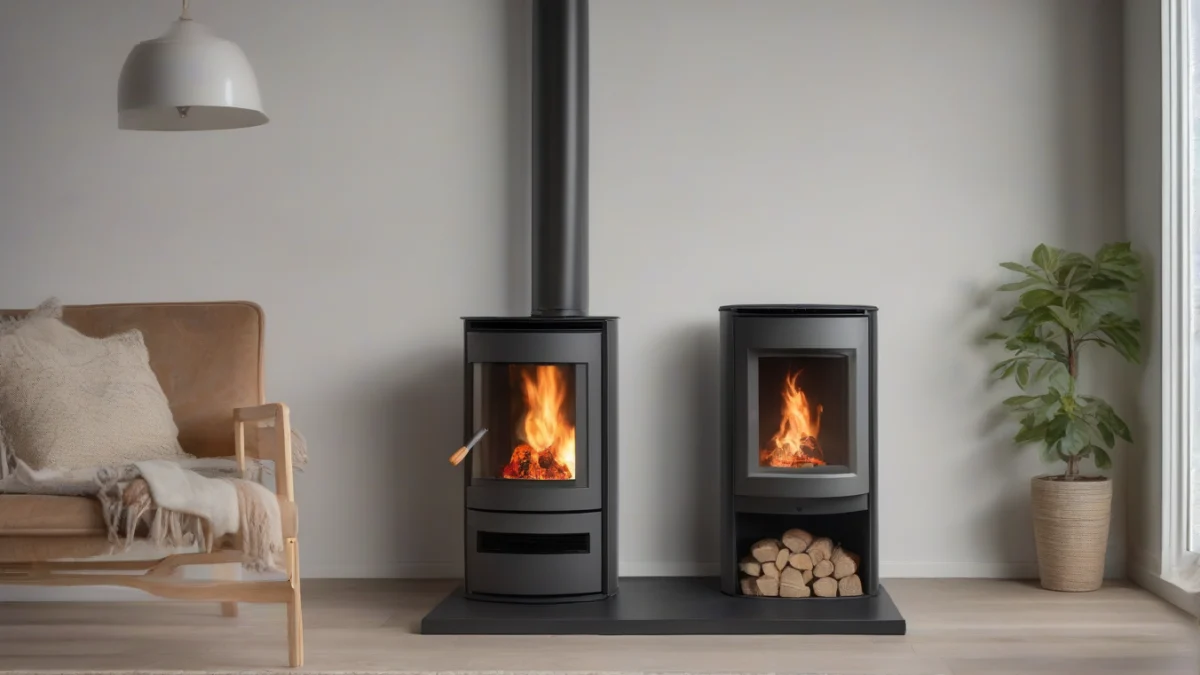
Pellet stoves work by moving small pellets of compressed wood into a burn chamber using an auger, a motor-driven screw that meters the fuel precisely. The Hori 5 includes an electric igniter that lights the pellets without manual matches or kindling. Once the fire starts, a fan blows air through the burn pot, feeding the flame oxygen for a clean burn and pushing warm air into your room.
The Hori 5 converts about 75 to 85 percent of the pellet’s energy into usable heat, which is typical for pellet stoves. It delivers roughly 10,000 to 15,000 BTU per hour, enough for a small to medium room. The stove’s automatic controls adjust pellet feed rate and fan speed based on temperature settings you choose, so it keeps a steady heat output without constant tweaking.
Safety features include sensors to shut off the auger if the fire goes out and a thermostat to prevent overheating. The stove’s sealed burn chamber and vent pipe keep combustion gases outside your home. This automatic operation means once you load pellets and set your temperature, the stove runs mostly hands-off until it’s time to refill fuel or clean ash.
| Feature | Details |
|---|---|
| Fuel feed | Electric auger delivers pellets steadily |
| Ignition | Electric igniter lights pellets automatically |
| Heat output | About 10,000 to 15,000 BTU/hr |
| Efficiency | 75–85% thermal efficiency |
| Controls | Automatic feed and fan speed adjustment |
| Safety | Overheat sensor and flame failure shutoff |
What Running Costs to Expect with the Hori 5
Pellet stove running costs depend on pellet burn rates and electricity use for the auger and fans. The Hori 5 typically burns between 1.5 and 3 pounds of pellets per hour at medium to high settings. With pellets costing around $250 per ton (2,000 pounds), that’s roughly 12.5 cents to 38 cents per hour for fuel.
Electricity for the auger motor and fans is modest, usually around 100 to 150 watts total when running. Running at 150 watts for 8 hours uses 1.2 kWh; at 17 cents per kWh, that’s about 20 cents a day on electricity.
Comparing costs, pellet heating is generally cheaper than propane, which can cost over $1 per hour depending on your burner and fuel prices, and competitive with electric baseboard heaters that use about 1,500 watts continuously. The Hori 5’s efficient burn and lower fuel cost can save you up to 50% on heating compared to propane or electric resistance heat in many cases.
Fuel use varies with room size, desired temperature, and outdoor weather. If you run the stove at low heat, pellet consumption drops accordingly, lowering costs. Conversely, colder weather or larger spaces increase burn rate. Proper insulation also affects how often the stove cycles pellets in.
| Heater | Watts | Per hour | Per day (8 h) | Per month (30 days) |
|---|---|---|---|---|
| Electricity (150 W for 8 hr/day) | 150 W | 2.6¢ | 20¢ | $6.12 |
You can expect pellet stove savings if you already use propane or electric resistance heat. The Hori 5’s efficient burn and moderate electricity draw keep costs predictable and reasonable, especially if you use quality pellets and maintain your stove well.
For a detailed look at how pellet stoves cut heating bills, see pellet stove savings.
Where the Heat Actually Goes in Your Home
The Hori 5 pellet stove is designed to heat enclosed spaces up to about 1,500 square feet efficiently, making it well suited for medium-sized rooms or open-plan areas with limited airflow barriers.
Room layout matters. Heat moves by convection and radiation, so placing the stove near the center of the main living space or close to an interior wall improves warmth distribution. Avoid corners tucked behind furniture or blocked by doorways, which trap heat and reduce effectiveness.
Ventilation plays a key role. Pellet stoves need proper air supply for combustion and to circulate warm air. Rooms with good cross-ventilation help maintain even temperatures without cold spots or stale air. A ceiling fan on low speed can help push warm air down without wasting energy.
| Heat Output (BTU/hr) | Approximate Room Size (sq ft) |
|---|---|
| 18,000 BTU/hr | Up to 1,500 sq ft |
| 9,000 BTU/hr (low setting) | Around 700 sq ft |
The Hori 5 is not built for outdoor areas like patios or large open spaces. Pellet stoves rely on contained spaces to trap heat. Outdoors, the heat disperses too quickly, making them inefficient and costly to run.
Maintaining and Troubleshooting the Hori 5 Pellet Stove
Regular cleaning is essential to keep the Hori 5 running safely and efficiently. Daily tasks include emptying the ash pan and wiping the glass to prevent buildup that blocks heat and view.
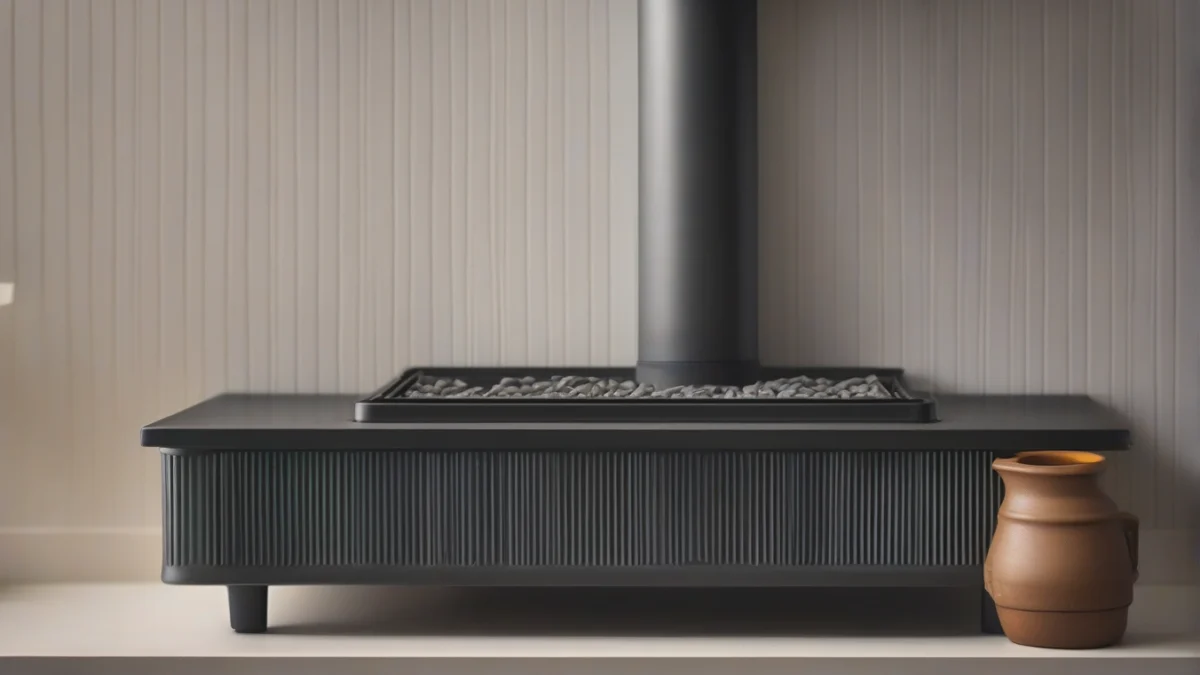
Seasonal maintenance involves a deeper clean: removing and vacuuming the burn pot, cleaning the heat exchanger, and inspecting the vent pipe for soot or creosote. Following the manufacturer’s maintenance guide ensures longevity and reliable operation.
Programming the Hori 5 controls the pellet feed rate and fan speed to maintain your desired room temperature. Setting it correctly avoids overheating or underheating and reduces fuel waste.
Common problems include the stove not igniting, excessive smoke, or the auger jamming. Simple fixes often involve checking pellet quality, clearing jams, or resetting the control panel according to the manual.
Safety Considerations for Pellet Stove Use
Pellet stoves like the Hori 5 are safe when used with proper ventilation and routine checks, but they still pose risks if these precautions are ignored.
Carbon monoxide is the primary hazard because pellet stoves burn fuel indoors. Even a well-maintained stove can produce CO if the venting is blocked or leaks develop. The Hori 5 requires a dedicated vent pipe to carry exhaust outside, so keeping that clear and intact is essential.
Tip-over switches and overheat sensors built into the Hori 5 shut the unit down if it falls or overheats, preventing fires. Still, placing the stove on a stable, level surface away from pets and children is critical.
Clearance distances protect nearby walls and furniture from heat damage. The Hori 5’s manual specifies at least 36 inches of clearance on all sides. Keep curtains, papers and flammable materials well away.
Health concerns related to pellet stove use come mainly from poor ventilation or improper fuel. The Hori 5 burns cleanly when using quality wood pellets, reducing indoor air pollution. Still, regular stove and vent cleaning prevent buildup that could impair combustion.