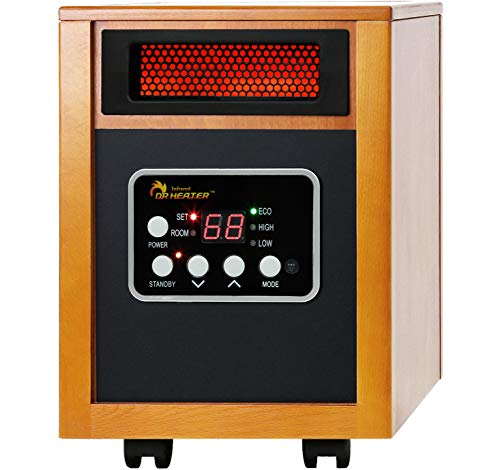
The common mistake is buying by brand name alone and then using the wrong type in the wrong room. That can leave you with weak heat, a noisy fan, or a heater that should never be in a bathroom in the first place.
Expect the number that matters most to be 1,500 W, because that’s the ceiling for a normal plug-in heater on a 15 A, 120 V circuit. Bigger claims usually mean marketing, not more usable heat.
Holmes Heater: What It Usually Means
A Holmes heater usually refers to a small electric space heater, often a 1,500-watt ceramic fan model designed for personal or small-room use. Holmes is a brand name, not a specific type of heater, and their products mostly feature electric resistance heating with a fan to spread warmth quickly.

Most Holmes electric heaters use ceramic heating elements. When electricity passes through these elements, it heats them up, and a fan blows air over the hot ceramic plates to warm the room faster than radiant heat alone. This electric resistance process converts all electrical energy into heat, making it simple but limited by household circuit capacity.
The typical 1,500-watt rating is common because it draws about 12.5 amps at 120 volts, nearly the maximum for a standard wall outlet on a 15-amp circuit. Plugging in anything larger risks tripping the breaker or overheating the wiring. That’s why Holmes and most space heater brands stick to this power level for portable models.
These heaters are best for small bedrooms, home offices, or bathrooms where you only need extra heat for a limited time. They’re not meant to replace central heating but to supplement it efficiently in single rooms. Holmes’s website lists various models, mostly compact fan-forced electric heaters with features like adjustable thermostats and safety cutoffs.
| Feature | Typical Value |
|---|---|
| Power | 1,500 W |
| Current Draw | 12.5 A |
| Voltage | 120 V |
| Heating Type | Ceramic electric resistance |
| Common Use | Small rooms or personal spaces |
How Much A Holmes Heater Costs To Run
Holmes heaters, especially the common 1,500-watt ceramic fan models sold at Walmart, cost about the same to run as any other electric space heater of similar wattage. The main driver of your electricity bill is the wattage and how long you use the heater, not the Holmes brand name.
Running a 1,500-watt heater for 8 hours at a typical U.S. residential electricity rate of 17 cents per kWh will use 12 kWh (1,500 ÷ 1,000 × 8). At 17 cents, that’s about $2.04 for one night of heating.
| Heater Type | Wattage | Running Cost for 8 Hours at $0.17/kWh |
|---|---|---|
| Holmes Ceramic Fan Heater (High) | 1,500 W | 1,500 W for 8 hours is 12 kWh; at 17 cents per kWh, that’s about the cost of running a 1,500 W heater all night. |
| Holmes Ceramic Fan Heater (Low) | 900 W | 750 W for 8 hours is 6 kWh; at 17 cents per kWh, that’s roughly half the energy use of a full 1,500 W heater overnight. |
| Oil-Filled Radiator | 1,200 W (average) | 1,200 W for 8 hours is 9.6 kWh; at 17 cents per kWh, the running cost falls between a half and full power heater running all night. |
Oil-filled radiators like the Holmes oil heater use electricity to heat oil inside fins that stay warm after the thermostat cuts power. This means they feel steadier and can keep radiating heat without running all the time, often using slightly less electricity overall for the same comfort level.
A Holmes electric heater at Walmart will typically be a ceramic fan model around 1,500 watts. If you see one labeled as an oil heater, it’s probably an oil-filled radiator running at about 1,200 watts average draw. The ceramic fan models heat up fast but cycle on and off more frequently, which can feel less steady.

Bathroom Use And Moisture Limits
Moisture and water splashes interfere with the heater’s internal wiring and switches, increasing risk of short circuits or electric shock. High humidity can also cause corrosion over time, compromising safety.
If you want a Holmes bathroom heater, choose a model specifically rated for bathroom or damp environments. These have sealed controls and casings to keep moisture out. Even then, keep the heater well away from tubs, showers, and sinks where direct water exposure is possible.
The Amazon Basics ceramic heater, a common Holmes-style model, explicitly states it is not for use in bathrooms or laundry rooms. Using it there violates electrical safety rules and risks damage or injury.
Holmes Electric Heaters At Walmart
Holmes electric heaters at Walmart mostly offer small, plug-in ceramic fan units rated around 1,500 watts. Before buying, check the product details closely rather than relying on the brand name alone.
Look for essential safety features like tip-over protection and overheat protection. These reduce fire risk if the heater gets knocked over or runs too hot. The listing should also specify if the heater is indoor use only; some models can’t handle damp environments.
A built-in thermostat is another key feature. It lets the heater cycle on and off to maintain a set temperature, saving energy and preventing overheating. Without it, the heater runs at full power until you manually turn it off.
Many Holmes heaters offer three heat settings—typically low, high, and fan only. This is handy in modest-size rooms where you might want gentle heat or just air circulation. But if your room is larger or poorly insulated, three settings won’t replace a higher-capacity heater.
Which Holmes Heater Fits Your Room
Match your Holmes heater to the room size and type to get reliable warmth without wasting energy or risking safety. Small bedrooms and offices do well with 1,500 W ceramic fan heaters that provide quick, focused heat.
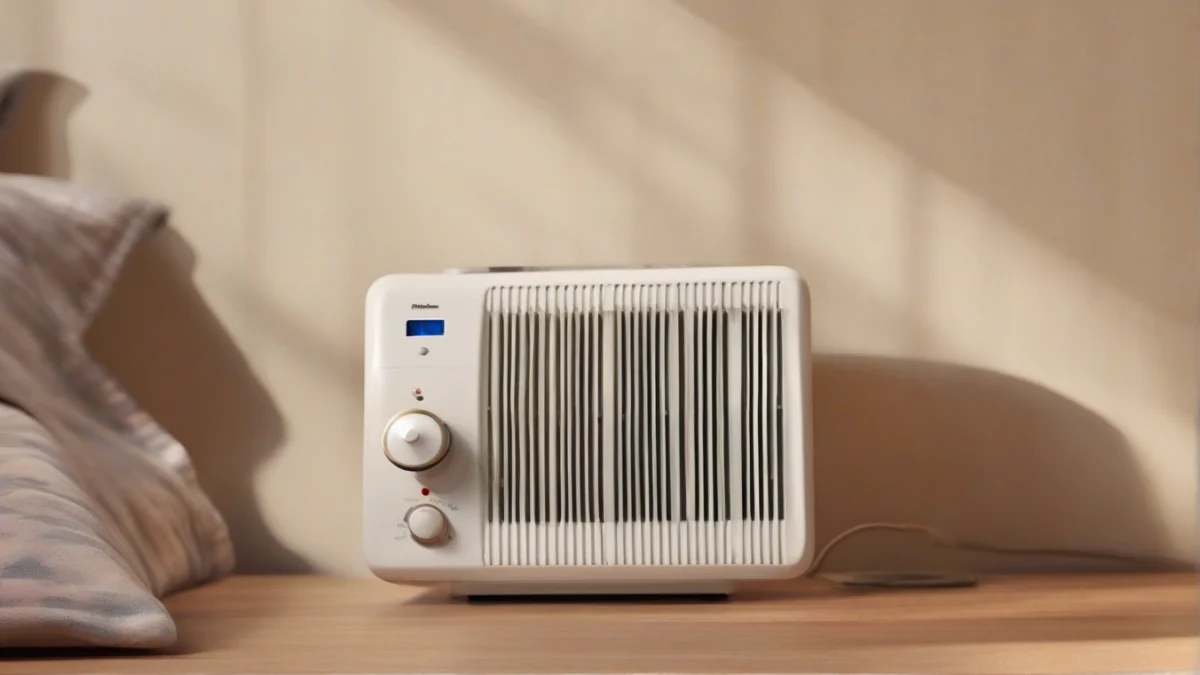
Oil-filled radiators warm more slowly but keep a room steady and cozy after they switch off. They’re better for bedrooms where you want even heat overnight and less noise.
Bathrooms demand heaters rated for damp environments, with sealed controls and water-resistant housing. Never use a standard Holmes ceramic fan heater in a bathroom unless it’s explicitly listed for that use.
Garages and unfinished basements usually need more powerful or fuel-based heaters. Electric Holmes heaters typically lack the output or durability for uninsulated spaces prone to moisture or dust.
Always follow the 3-foot clearance rule around space heaters and plug them directly into a wall outlet. Extension cords or power strips risk overheating and fire. A dedicated circuit is safest for higher-wattage models.
| Room Type | Best Holmes Heater Style | Common Mistake |
|---|---|---|
| Small Bedroom or Office | 1,500 W Ceramic Fan Heater | Using a heater without a thermostat, wasting power |
| Bathroom (Moisture-Prone) | Water-Resistant Holmes Model | Using an indoor-only ceramic heater |
| Garage or Workshop | Not recommended for standard Holmes heaters | Relying on a 1,500 W unit that won’t heat adequately |
| Living Room (Large) | Consider multiple units or larger heaters | Expecting one small Holmes heater to heat all |
When To Skip A Holmes Heater
Holmes-style portable heaters aren’t the right choice for every heating need. Avoid them if you want to heat an entire house or large open floor plan; a 1,500-watt unit only covers about 150 square feet effectively, leaving most rooms cold.
Running these heaters overnight or unattended raises safety concerns. Most models lack features designed for continuous use without supervision, so it’s best to turn them off before bed unless the manual explicitly says otherwise.
Noise and dry heat are common complaints. The ceramic fan inside produces a steady hum that light sleepers may find distracting. The forced air dries out the room’s air, which can irritate skin or sinuses during long use.
Don’t use a Holmes fan heater in a damp area unless it’s specifically rated for bathroom use. Moisture can cause shorts or shock hazards if the heater isn’t designed for that environment.
When a heater needs to warm a larger room quietly or maintain steady warmth, consider convection heaters instead. They heat the air more gently and silently, suitable for bedrooms and living rooms. Electric fireplaces also provide ambient warmth and a cozy look along with steady heat, but only if the space matches their output.
If you want a quiet, whole-room solution or need a heater rated for damp spaces, a Holmes fan heater isn’t your best bet. Check out convection heaters or electric fireplaces for those cases, assuming the room size and use fit their design.
Questions People Ask
What does a Holmes heater usually mean?
Are Holmes electric heaters good for bedrooms?
Can I use a Holmes bathroom heater in a bathroom?
How much electricity does a 1,500 W Holmes heater use?
What should I check before buying Holmes electric heaters at Walmart?
Is a Holmes oil heater better than a fan heater?

I am a mechanical engineer and love doing research on different home and outdoor heating options. When I am not working, I love spending time with my family and friends. I also enjoy blogging about my findings and helping others to find the best heating options for their needs.
Related guides

DeLonghi Mica Panel Heater Review: Silent Radiant Comfort
What makes this heater so efficient? Our guide reviews the DeLonghi Mica Panel Heater for silent, targeted warmth.
5 Game-Changing Bionaire Electric Fireplace Heaters You Need Now
For homeowners, the best bionaire electric fireplace heater with remote control enhances comfort without compromising style. The LegendFlame…
Oil-Filled vs Panel Electric Radiators: Which is Best?
You stand in the aisle (or scroll through tabs) trying to pick a heater for a bedroom or…