Skip to content

Expert home heating guides, reviews & repairs

Heater GuidesHeaterGuides
Energy Saving

Heating Schedule: What It Means and How to Use It

Quick answer
A heating schedule is a planned on-and-off timing pattern for heat, usually tied to wake, sleep, and occupancy. An infrared heater is a heater that warms objects and people directly rather than the air. Used well, a schedule trims wasted run time without turning the room into a cold box.

Get the schedule wrong and you pay for heat you do not use, or you chase comfort by running a heater harder than the room can hold. In a bad setup, the bill climbs and the room still feels uneven.

The fix depends on the heater type, the room, and how fast the space loses heat. A timer works one way on a 1,500 W space heater and a different way on a boiler, so the first job is matching the control to the load.

Heating Schedule: What It Means And How To Use It

The most cost efficient home heating matches your schedule, insulation, and heater recovery time, not just the longest off periods. Saving on heating bills happens by avoiding wasted run time and preventing long cold spells that require hard recovery.

Worked example
A 1,500 W heater running 8 hours uses 1.5 kW × 8 h = 12 kWh. At 17 cents per kWh, that’s about $2.04 per day in electricity.

If you set your heater to turn off too aggressively, the room can get uncomfortably cold, forcing the heater to run full blast later. That spikes your energy use and costs more than a gentler schedule.

Safety with fuel heaters
Fuel-burning and unvented heaters bring carbon monoxide risk if timed outside the manual’s recommendations. Never run them unattended or with improper ventilation.

The cheapest schedule isn’t always the one with the longest off time; it’s the one that fits when you’re actually using the space and how quickly that space loses heat. That balance keeps costs down and comfort up.

HeaterWattsPer hourPer day (8 h)Per month (30 days)
1,500 W space heater1,500 W26¢$2.04$61.20
Calculated at 17¢ per kWh. Monthly cost if run 8 hours daily at 17¢/kWh

What Getting The Schedule Wrong Costs

The most cost efficient home heating matches your occupancy patterns, insulation level, and heater recovery time — not just the longest off periods. Saving on heating bills isn’t about running your heater less; it’s about running it smarter.

Worked example
Say you use a 1,500 W electric heater for 8 hours a day. That’s 1.5 kW × 8 hours = 12 kWh daily consumption. At 17 cents per kWh, you pay about $2.04 each day, or roughly $61 in a 30-day month. Mistimed schedules can raise that significantly.

Turning heat off too aggressively can leave your room cold when you return, forcing the heater to run hard to catch up. That sudden spike uses more power and spikes your bill. It also feels uncomfortable, defeating the point of scheduling.

Carbon Monoxide Risk
Fuel-burning heaters, especially unvented ones, pose a carbon monoxide danger if used or timed outside their manual’s ventilation and runtime limits. Strictly follow instructions and have a working CO alarm.

The cheapest heating schedule is one that fits your routine and your home’s heat retention. That avoids wasting energy on heating an empty, well-insulated room or running a heater that can’t recover quickly enough to be comfortable.

One Product That Fits Scheduled Heat
Use a timer or schedule only where the heater is meant to run that way.
Scheduled Heating
Docusvect Cordless Electric Lunch Box 1.3L with Schedule Heating
This cordless lunch box heats on a schedule you set, so your meal is hot exactly when you want it, without needing to plug in during the day. It’s ideal for those who want precise timing without the fuss of manual warming or timers.
View on Amazon

Choose The Right Schedule For The Heater Type

Infrared and other radiant heaters suit short occupancy periods because they warm objects and people directly, providing near-instant comfort without needing to heat all the air first.
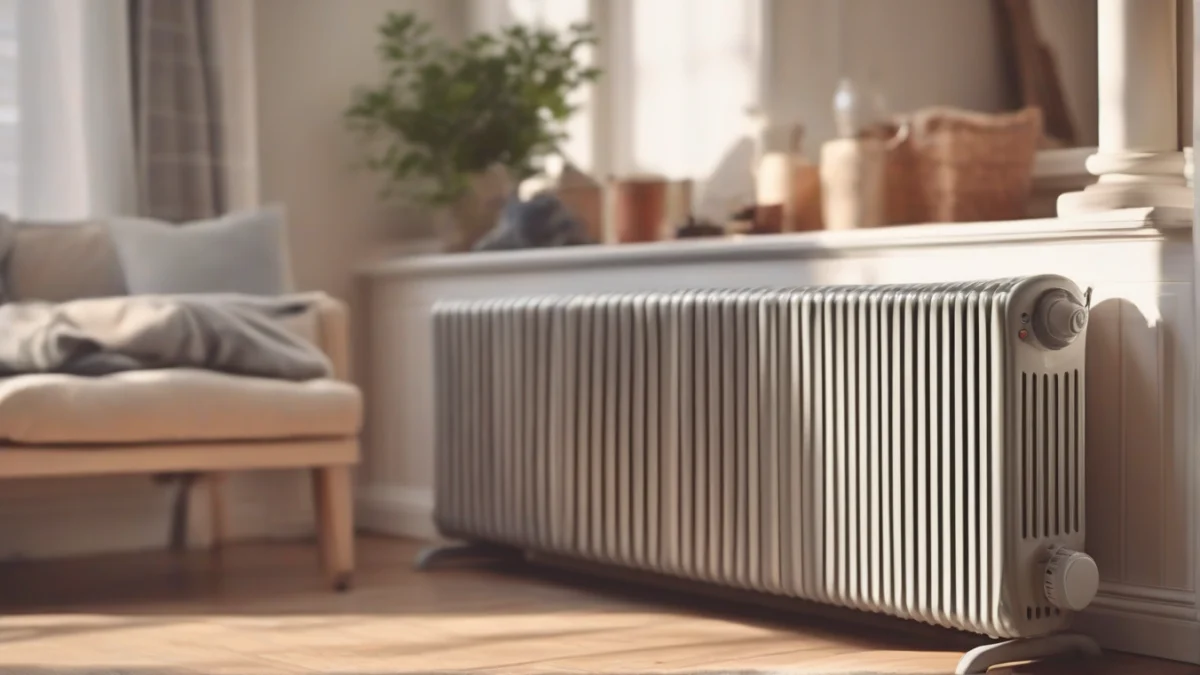
An oil-filled radiator heater providing warmth in a living room.
Choosing the right heater type enhances comfort and efficiency.

Oil-filled radiators store heat in their metal fins, so once the element switches off, they keep radiating warmth for a while. That means short cycling still feels steady, smoothing out temperature swings.

Whole-house hydronic or boiler systems don’t benefit from on-off juggling. They need thermostat setbacks and enough recovery time to ramp back up without wasting fuel or comfort.

Fuel-Burning Heater Safety
Indoor fuel-burning heaters require strict ventilation and carbon monoxide protections. Never use outdoor or construction heaters inside — they are not designed or safe for enclosed spaces.

Solar-powered heating units and solar heating systems can supplement your main heat but usually can’t cover winter needs fully in most homes. They’re best as part of a broader strategy, not your sole heat source.

Heater TypeScheduling SuitabilityNotes
Infrared and radiantExcellentFast heat-up, good for short occupancy
Oil-filled radiatorGoodRetains heat, smooth cycles
Hydronic and boilerLimitedNeeds gradual thermostat setbacks
Fuel-burning indoorCautiousRequires ventilation and CO alarm
Outdoor heatersNoFor outdoor use only
Solar heatingSupplementalNot reliable alone in winter
Heater Type and Scheduling Fit
Myth
Oil-filled radiators waste energy by staying warm after switching off
Fact
They actually save energy by releasing stored heat steadily, reducing on-off cycling and power spikes.

Matching your schedule to the heater type helps you avoid discomfort, reduce waste, and keep safe. For example, a radiant heater can be timed tightly to occupancy, but a boiler system can’t snap on and off without risk of damage or inefficiency.

Choose a schedule that respects your heater’s characteristics, the room’s use, and safety requirements to get the best balance of comfort and savings.

Set A Schedule Room By Room

Heating large spaces efficiently means starting earlier or running more output to overcome slower heat buildup. The best home heating system matches your schedule to each room’s use and heat loss, which is the most efficient home heating method for comfort and savings.

Take a room-by-room approach. Bedrooms, living rooms, bathrooms, garages, and seldom-used spaces all need different timing. Heat only the rooms you occupy, then schedule preheat based on how quickly each room loses heat.

1
List the rooms you use regularly
Note when you occupy each space during the day and night.
2
Estimate heat loss
Rooms with poor insulation or large windows lose heat faster and may need longer or continuous low heating.
3
Set heating times
Start heating early enough so the room reaches comfort by occupancy time. Bigger rooms or those with slower heating require earlier start times or higher output.
4
Adjust by heater type
Use programmable space heaters for bedrooms or small rooms. Baseboard heaters with thermostats suit consistent zones. Central systems cover multiple rooms but should have zone controls for flexibility.
Worked example
Say a small bedroom loses heat quickly but has a 500 W electric heater and good insulation. It might need just 30 minutes of preheat before bedtime. The open living room, twice the size with poor insulation and a 1,500 W heater, needs heating started 90 minutes before occupancy to feel warm on arrival.
Room heating checklist
Confirm which rooms you actually use and when
Note insulation quality or draftiness
Check heater wattage and type in each room
Set start times based on heat loss and room size

Pick Controls That Match Your Heating Schedule

Thermostats designed for electric baseboard heating must handle line voltage to switch the heater safely. Plug-in space heaters rely on built-in timers or external smart controls only if the manufacturer permits.
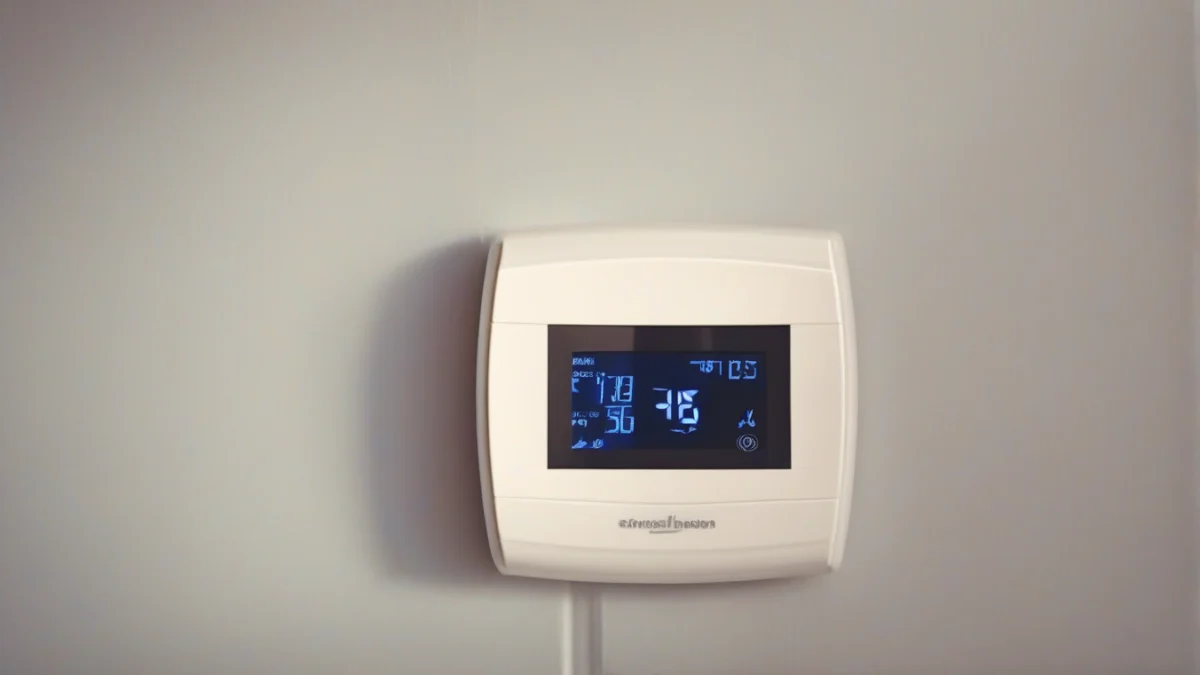
A digital thermostat displaying temperature settings in a home.
Selecting compatible controls optimizes your heating schedule.

Plug-in electric heaters should always plug directly into a wall outlet, never an extension cord or power strip, to avoid overheating risks. Any control device you use should be UL, ETL, or CSA listed to meet safety standards.

Safety first
Tip-over and overheat protection remain critical even with scheduled-timer space heaters. Never disable these features or use controls that bypass them.
1
Choose the right thermostat
For baseboard heaters, pick a line-voltage thermostat rated for your heater’s amperage.
2
Use built-in or approved timers
Confirm your plug-in heater supports external timers before adding one.
3
Check safety certifications
Only use controls with UL, ETL, or CSA marks to ensure tested safety.
4
Avoid unsafe connections
Plug heaters directly into outlets, not power strips or extension cords.
Best for mealtime warming and personal h
Docusvect Cordless Electric Lunch Box for Adults 1.3L with Schedule H…
Product 1 offers scheduled heating, a built-in battery, and a keep-warm mode, making it ideal for timed personal comfort and meals without fuss.
View on Amazon
Control compatibility
Smart home temperature schedules work best with compatible thermostats and central systems, not plug-in heaters unless explicitly designed for it.

Check The System Before The Cold Snap

Troubleshooting heating systems starts with a quick inspection to avoid costly fixes or unsafe conditions during winter.

Pre-Winter Heating System Checklist
Verify the thermostat powers on and responds to adjustments — a dead thermostat stops the schedule.
Check the circuit breaker or fuse for trips that cut power to the heater.
Inspect and replace dirty air filters to maintain airflow and efficiency.
Ensure air vents and registers are clear and open to allow proper heat distribution.
Test batteries in wireless thermostats or sensors to prevent communication failures.
Confirm fuel levels for oil or propane systems; low fuel means no heat.
Look for water leaks or corrosion on radiators, which signal a needed repair before freeze risk.
Listen for short-cycling heaters, which switch on and off rapidly — a sign of control or airflow problems.
Note any unusual odors like burning or gas, which require immediate professional attention.
Make sure baseboard heaters are securely installed and free of obstructions.
Licensed Technician Work Only
Never attempt gas line repairs, venting maintenance, 240 V wiring fixes, or T&P valve adjustments yourself. These require a licensed plumber or electrician to ensure safety and code compliance.

Oil heating systems often have clogged nozzles or dirty filters that reduce flame quality and heat output. If your oil burner won’t start or sputters, call a technician to clean and tune it.

A leaking heating radiator risks water damage and system pressure loss. Small drips might come from loose valves or fittings, but a bulging or rusty panel means replacement or professional service.

Baseboard heating installation should be checked for secure mounting and proper electrical connection. Loose wires or damaged elements can cause failure or hazards.

For combined heating and air conditioning systems, watching for error codes or uneven temperatures can give early clues that repair or maintenance is needed.

Call a professional if your heater trips breakers, smells odd, short-cycles, or if you detect any signs of combustion trouble like soot or pilot outages. These issues can escalate quickly and compromise safety.

This checklist helps you spot common problems before you buy parts, light the pilot, or schedule service, saving time and money when the cold hits.

More Questions, Answered

What is a heating schedule in a house?
A heating schedule is a plan that sets when your heating system turns on and off throughout the day, based on when the house is occupied or empty. It helps avoid heating empty rooms and cuts energy waste by aligning heat with your daily routine. The schedule should factor in how quickly your heater warms the space to avoid starting too late.
Do programmable space heaters save money?
Programmable space heaters can reduce energy costs by running only when you need heat and turning off during absences or sleep. Savings depend on your heater’s efficiency, insulation quality, and how well you program the on/off times. Using a heater with precise scheduling avoids heating an empty room and limits unnecessary run time.
Should I use a setback schedule on oil heat?
Using a setback schedule on oil heat requires caution because oil boilers recover heat more slowly than electric heaters. Setting the thermostat too low for long periods can cause the system to work harder and use more fuel to bring the house back to temperature. A moderate setback with gradual warm-up times avoids spikes in oil consumption and wear on the system.
Which rooms should get heat on a timer?
Rooms you use regularly during certain hours should have heating on a timer to match occupancy. Bedrooms, living rooms, and bathrooms benefit most from scheduled heat. Rooms used infrequently or only during the day can have heat off or set lower to save energy. Tailoring schedules room by room prevents wasting heat where it’s not needed.
Related guides
scheduled-timer space heatersHow to set and use space heaters with timers
programmable space heatersModels that heat on your schedule
smart home temperature schedulesUsing smart thermostats to save energy
how to plan a heater maintenance scheduleScheduling maintenance for reliable heating
Share
Written by Joye

I am a mechanical engineer and love doing research on different home and outdoor heating options. When I am not working, I love spending time with my family and friends. I also enjoy blogging about my findings and helping others to find the best heating options for their needs.

Keep reading

Related guides

Free newsletter

Heater deals and guides, worth opening

Price drops, new guides and safety recalls. One email, only when it matters.

No spam. Unsubscribe in one click. Privacy policy.