How Heaters Operated by Batteries Work and What to Expect
On this page 6 sections
- How Heaters Operated by Batteries Generate and Deliver Heat
- Avoid Overestimating Battery Heater Run Time and Heat Output
- Check Battery Type and Safety Features Before Buying
- Calculate and Compare Running Costs of Battery Heaters
- Which Rooms and Situations Suit Battery-Operated Heaters Best
- More Questions, Answered
Battery-operated heaters provide heat in places without easy access to electrical outlets or during power outages. They convert battery power into heat, often using a heating coil and a fan to spread warmth quickly.
Understanding how these heaters work, their running costs, and practical limits helps you decide if they are suitable for your space and heating needs this winter.
How Heaters Operated by Batteries Generate and Deliver Heat
Heaters operated by batteries use electrical energy stored in batteries to power heating elements and deliver warmth through fans or radiant elements. These portable devices usually rely on lithium-ion batteries and come in types like fan heaters, infrared heaters, and ceramic heaters.
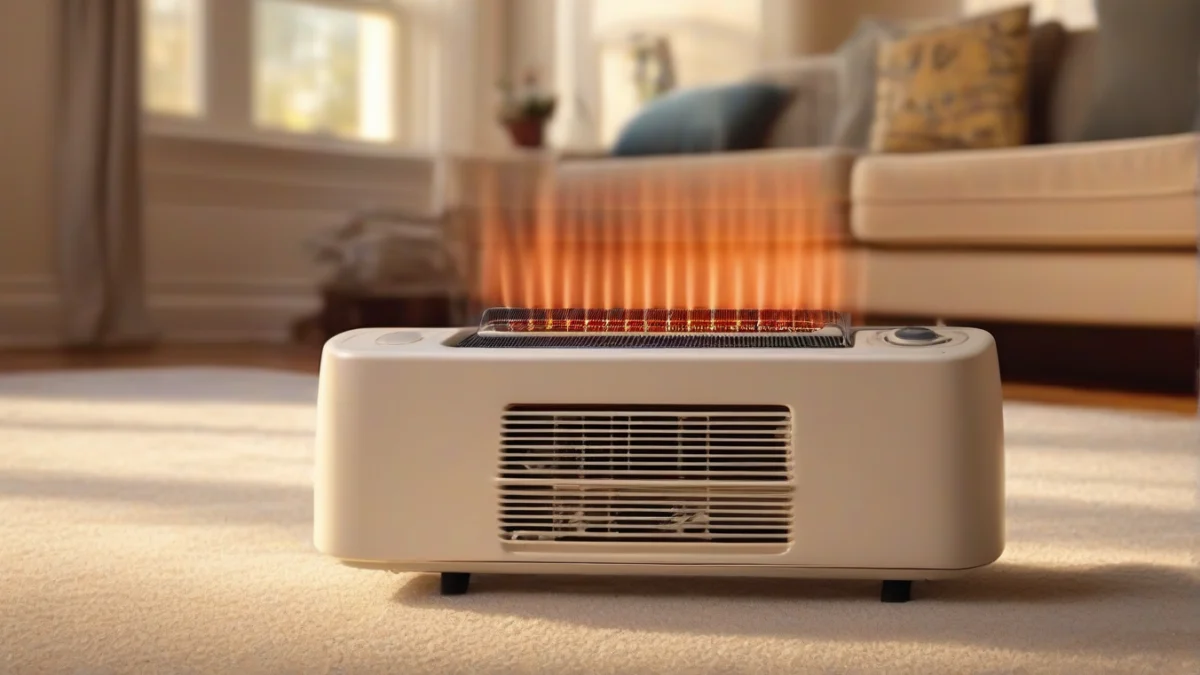
Inside a battery operated heater, the battery supplies direct current to a resistive heating element. This element converts electrical energy into heat as electric current passes through it. In fan heaters, a small motor-driven fan blows air over the hot element, spreading warm air quickly around the room. Infrared or ceramic heaters work differently by radiating heat directly to objects and people instead of heating the air first.
Battery capacity limits both how long a heater can run and how much heat it can produce at once. Lithium-ion batteries commonly found in these units store between 20 and 100 watt-hours (Wh) of energy. A higher wattage heater drains the battery faster, so to keep run time reasonable, output is often limited to under 100 watts.
These heaters excel for short-term, portable warmth in small spaces or outdoors, such as camping or emergency situations. But they can’t match the sustained output or run time of plug-in electric heaters powered by household current. Battery-operated heaters are not suited to heating large rooms or all-night use without recharging.
Understanding this mechanism helps set realistic expectations for battery operated heaters. They are a handy solution for on-the-go heat or brief use away from power outlets, but their design and battery limits shape where and how well they perform.
Avoid Overestimating Battery Heater Run Time and Heat Output

Battery operated heaters at Walmart and elsewhere often disappoint when users expect them to run as long or heat as much as 1,500-watt plug-in models. The key limitation is battery capacity, usually measured in watt-hours (Wh).
Consider a 50 Wh battery powering a 50-watt heater. The battery supplies 50 watt-hours, so at 50 watts the heater runs roughly 1 hour (50 Wh ÷ 50 W = 1 hour). If you try a larger 100-watt heater on the same battery, run time halves to about 30 minutes.
Compare this to standard plug-in space heaters drawing 1,500 watts. At 120 volts, that’s about 12.5 amps from a household circuit. These heaters can run continuously as long as power is supplied, far beyond any battery pack.
Buying a large battery operated heater without checking its battery size risks frustration when it runs only minutes or needs frequent recharging. Batteries also add cost and weight, which grow with capacity.
Frequent recharging means more electricity use overall and reduces convenience. Recharge times may be several hours, limiting heater availability for continuous use. Remember that battery-operated heaters are best for short bursts of heat, not all-night or whole-room warming.
Checking the battery specs lets you match heater output and run time to your needs, avoiding disappointment and wasted money.
Check Battery Type and Safety Features Before Buying
Cordless heaters battery operated by lithium-ion cells lead the pack for reliability and energy density. These batteries provide a good balance of weight, capacity, and recharge cycles, making them the standard for portable battery operated indoor heaters. Avoid models that use cheaper or unmarked battery types, as they can pose safety risks or offer poor run time.
Safety features matter more than usual on battery heaters because the heat source and battery pack share a compact space. Look for overheat protection that shuts the heater off if internal temperatures get too high, plus a tip-over switch that cuts power if the unit falls. These features reduce fire hazards and damage to the battery.
Certifications from UL or ETL are your best assurance of safety and quality. Skip any heater lacking these listings. They show the product passed independent safety tests that include electrical, thermal, and mechanical stress. A battery heater without them might be poorly designed or assembled.
Battery heaters should be used indoors only, in well-ventilated spaces, and never near flammable materials. If the heater uses any fuel besides electricity—which is rare for battery models—you must have smoke alarms and ensure proper ventilation to prevent carbon monoxide buildup. However, true battery-operated heaters do not run on kerosene or propane; those fuel types require separate, vented appliances.
Calculate and Compare Running Costs of Battery Heaters
Battery operated heaters consume power measured in watt-hours per hour of run time. For example, a 100-watt heater running one hour uses 100 watt-hours (Wh), or 0.1 kilowatt-hours (kWh). To find the cost to recharge, multiply the kWh used by your electricity rate—say 17 cents per kWh—so 0.1 kWh costs about 1.7 cents.
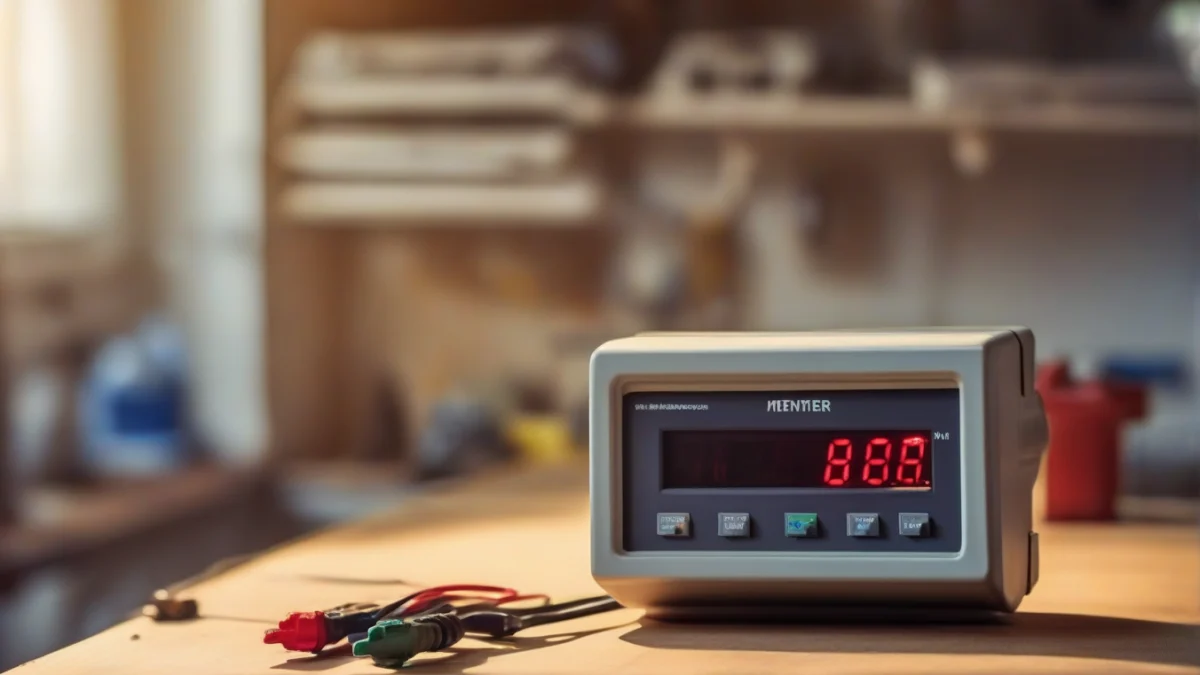
Compare that with a typical 1,500-watt plug-in space heater running for an hour: 1,500 watts is 1.5 kWh, costing 25.5 cents at the same electricity rate. Battery heaters use less power but deliver far less heat, so their running cost per hour is lower but so is their effective heat output.
Frequent recharging wears down lithium-ion batteries, which have a limited number of charge cycles—typically 300 to 500 full charges. Replacing the battery pack can cost as much or more than the heater itself. So, while the electric cost per recharge seems low, the replacement cost adds to the true running expense over time.
If you need heat for extended periods, battery heaters quickly become less cost-effective than plug-in models. They shine in short-term, portable scenarios where cords are impractical. Calculating the total cost involves adding electricity cost and prorated battery replacement cost, which often tips the balance against batteries for continuous heating.
Which Rooms and Situations Suit Battery-Operated Heaters Best
Battery-operated heaters work best in small, enclosed spaces where their limited heat output can make a noticeable difference. Think tents, small garages, or a 100-square-foot room. They can provide quick, portable warmth without the hassle of cords.
Using a battery-operated heater indoors is fine, but expect it to be a short-term or spot heating solution rather than a primary heat source. Their run time and heat output simply can’t match larger plug-in models designed for continuous use in living rooms or bedrooms.
Portability is the main advantage. You can move these heaters from a chilly workbench to a camping tent or even use them as emergency backup heat during power outages. They don’t need an outlet, so you’re free to bring warmth anywhere within the battery’s capacity.
Avoid relying on battery-operated heaters in large rooms or in cold climates where you need steady, reliable heat all day long. They’re also not suited for continuous heating because batteries drain quickly and replacement or recharging takes time. For ongoing comfort, plug-in or fuel-based heaters remain necessary.
If you’re considering a small battery-operated heater, check the wattage and expected run time against your space size and heating needs. For example, a 50-watt heater running on a 10,000 mAh lithium-ion battery might give you a couple of hours of warmth in a small tent but won’t keep an entire garage cozy all evening.
Short bursts of heat in areas with poor or no electrical access are where these heaters shine. That means outdoor activities, brief indoor use in unheated spaces, or emergency situations. If you want a reliable all-night heater for a bedroom, look elsewhere.
Battery-operated heaters fill a niche but come with clear limits. Use them where portability and convenience matter more than continuous power or high heat output. For more on battery heater models suited to camping or outdoor use, see our guides on the best battery operated tent heaters and camping heaters.