

Getting your heating or AC system to work right can save money and keep your home comfortable all winter. Missing a simple fix can cost you higher bills, lost comfort, or even safety risks.
This guide walks you through quick checks and detailed troubleshooting for common problems, plus when to call a certified technician or opt for replacement instead of repair.
Get Insights on AC and Heating Repair
The most common causes of HVAC repair issues are power supply problems, thermostat settings, and dirty filters. Splitting the troubleshooting between air conditioning and heating units helps pinpoint the problem faster and avoids unnecessary repairs.
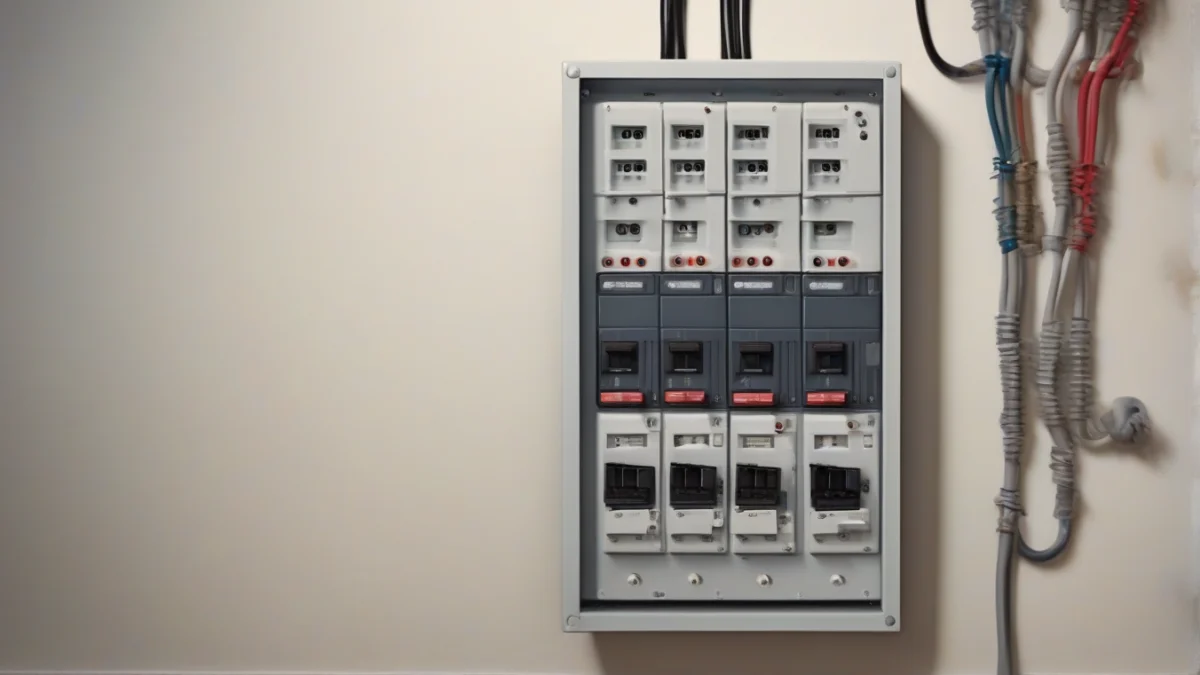
Start by checking your circuit breaker or fuse box for tripped breakers or blown fuses. HVAC systems draw considerable current—typically 15 amps for a 1,500-watt electric heater—so even a minor electrical fault can shut the system down. Next, inspect thermostat settings; sometimes the system is off or set to the wrong mode. Dirty or clogged air filters restrict airflow and strain the blower motor, causing inefficient operation or shutdown.
How to Know if HVAC Repair or Replacement Is Better
Deciding between HVAC repair and replacement involves weighing cost against the system’s age and condition. Emergency HVAC repair is essential when safety risks arise, but sometimes replacement saves money long-term.
If your heating system is over 15 years old or your air conditioner is more than 10 years old, repairs may only postpone inevitable failure. Safety hazards like cracked heat exchangers or failed compressors mean immediate replacement is safer than repair.
Replacing an old HVAC system often improves energy efficiency and home comfort. Newer models meet updated standards, cutting utility bills and running quieter. Consider replacement if repair costs exceed 50% of a new system’s price or if multiple repairs are needed in a short period.
Common HVAC Problems and How to Confirm Them

No power or no heat are the top reasons you call for furnace repair or air conditioner repair. Start by checking the breaker in your electrical panel. A tripped breaker or a blown fuse can cut power to your HVAC system without any warning. Next, verify your thermostat settings: a dead battery or incorrect mode can make the system unresponsive.
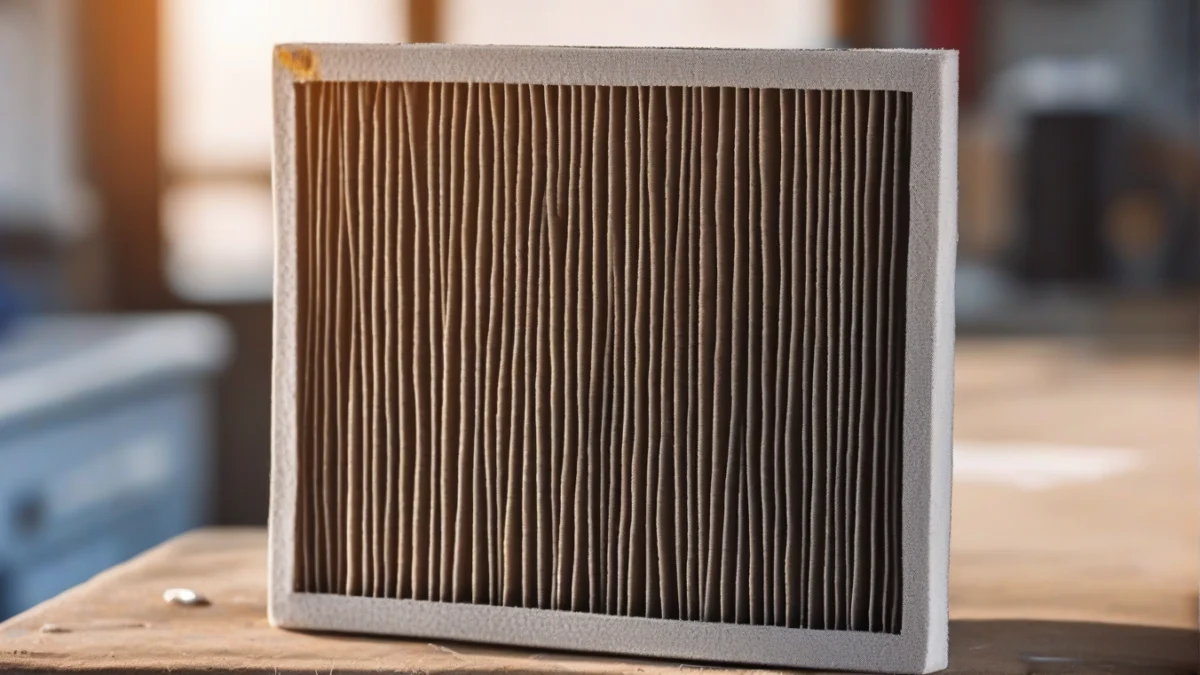
Poor airflow often signals a dirty air filter or blower motor trouble. Filters clogged with dust restrict air, forcing the blower motor to work harder or fail, which reduces heating or cooling effectiveness. Replace or clean filters every 1 to 3 months depending on use and environment.
Unusual noises like rattling, squealing or banging come from the blower or compressor. Rattling can mean loose panels or debris, squealing often signals a slipping blower belt, and banging might be a failing compressor or delayed ignition in the furnace burner. These noises warrant immediate technician attention to avoid bigger damage.
Pilot or ignition failure stops the heating process. A thermocouple that senses the pilot flame and tells the gas valve to stay open can fail, shutting off gas flow. Similarly, an electronic igniter that fails to light the burner needs diagnosing. If your furnace won’t stay lit or won’t ignite at all, these components are likely suspects.
How Altitude Affects Heating System Performance
Altitude impacts heating system performance because the air is thinner. Thinner air contains less oxygen, which reduces combustion efficiency in gas furnaces and water heaters. This means your heating system may produce less heat than its rating suggests.
Technicians must adjust gas pressure or blower speed to compensate. Gas pressure regulators are often set lower at altitude, and blower motors may need to run faster to move enough air for effective heat exchange. Without these changes, your system might cycle more frequently or fail to maintain temperature.
How to Find and Work with a Reliable HVAC Repair Technician
Finding a reliable HVAC technician starts with looking for proper training and certifications. Certified technicians have passed rigorous exams and keep up with industry standards, so they know exactly how to diagnose and fix your system.
Before hiring, check their credentials and experience with your brand or model. Ask if they require a diagnostic fee to inspect your system before giving a repair estimate.
| Service | Typical Fee | Guarantee |
|---|---|---|
| Diagnostic visit | A diagnostic fee | Often credited toward repair |
| Common repairs | A typical repair cost range | Parts and labor warranty for 1 year |
| Major repairs | Costs for major repairs or replacements | May include extended guarantees |
Understand the guarantee terms before work begins. Reliable technicians offer clear warranties on parts and labor, typically at least one year. This protects you if the repair doesn’t hold up.
Prepare for the technician’s visit by clearing access to your HVAC unit and having your recent service history handy. Note any unusual noises, smells, or performance issues to share upfront.
After repairs, schedule regular tune-ups every year. A 60 to 90-minute inspection and cleaning can catch small issues before they become costly breakdowns.
If you want a starting point for finding qualified pros, see Expert Secrets to Finding the Best Heating and AC Repair for vetted options and deeper hiring tips.
Frequently Asked Questions
What are the typical signs that my heating system needs repair?
How often should I schedule HVAC maintenance or tune-ups?
Can I fix thermostat or capacitor problems myself safely?
What does an HVAC load calculation involve and why is it important?
Are duct cleaning services necessary for good indoor air quality?
How do air leaks around the home affect HVAC efficiency?
What warranty coverage can I expect for HVAC repairs?

HeaterGuides covers home heating, water heating and HVAC: how the equipment works, what it costs to run, and how to use it safely.
