
You walk into the basement or utility closet and see it. A small, ominous red light flashing on your gas water heater. Your first thought is likely, “Is this dangerous?” followed quickly by, “Why won’t my hot water work?” That flashing red light is your heater’s way of communicating a problem. It’s an error code, a specific signal designed to help you diagnose the issue. Ignoring it means no hot showers and potentially bigger problems down the line.
Before diving into complex gas systems, consider if an electric model might suit your needs better for simplicity. For smaller applications or point-of-use needs, many homeowners find the EWH-01 Electric Water heater to be a reliable and straightforward solution, available here. It eliminates gas lines and venting concerns entirely. But if you’re committed to solving your current gas unit’s mystery, let’s decode that signal.
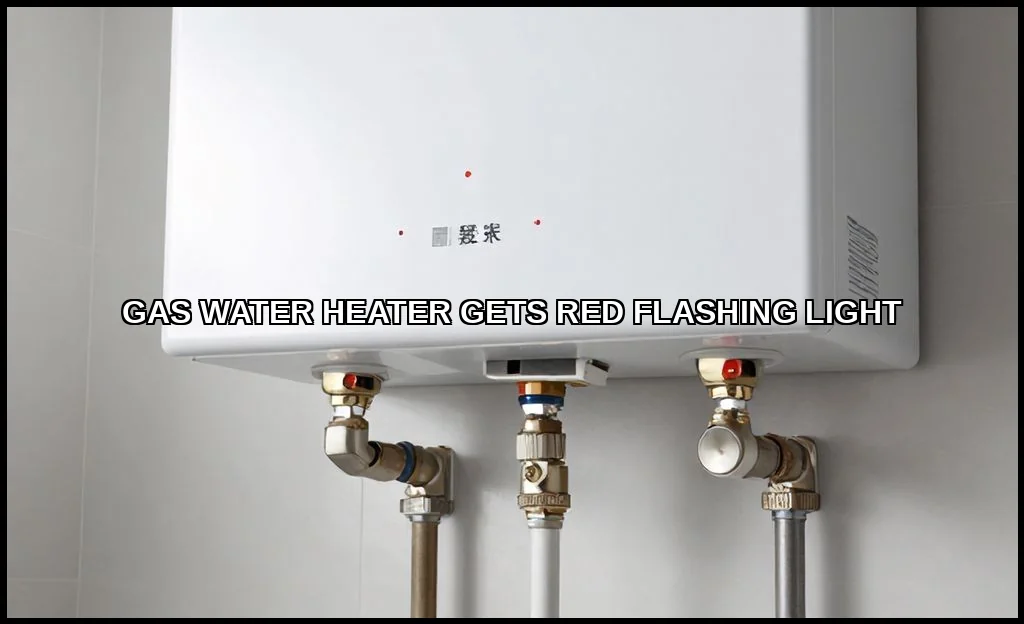
What the Red Flashing Light Means: Common Error Codes
That flashing red light is not a random blink. It’s a specific patterna language. The number of flashes, often in a sequence like three flashes then a pause, corresponds to a specific error code. This code points to the component or system that has failed. Modern tank and tankless units use this system. It’s a fault indicator for issues ranging from minor sensor glitches to serious safety shutdowns.
Common triggers include ignition failure, where the burner doesn’t light; a vent blockage, preventing exhaust gases from escaping; or a tripped thermal fuse from overheating. A sensor failure in the flue or water line is also frequent. The exact meaning, however, is brand and model-specific. What does a red flashing light mean on my gas water heater? The answer is in the manual’s error code chart.
Step-by-Step Troubleshooting & Safety First
Safety is non-negotiable. Before touching anything, turn off the gas supply valve to the heater. Also, turn off the electrical power at the circuit breaker. Give the unit several minutes to cool. Is a flashing red light on water heater dangerous? It can be, which is why the unit shut itself off. It’s signaling a potentially unsafe condition like a gas flow issue or combustion problem.
Once safe, follow these steps:
- Document the Code: Count the flashes. Is it a steady flash, or a pattern like 2, 3, or 10 flashes? Write it down.
- Consult the Manual: Find the error code chart, usually on the inside panel or in the user guide. This is your roadmap.
- Basic Reset: After addressing a simple error (like a temporary air in the gas line), you can often learn how to reset water heater systems. This usually involves a power cycle: turn off power, wait 5 minutes, turn it back on.
- Visual Inspection: Check for obvious issues: Is the exhaust vent clear of debris or bird nests? Are any error code display panels readable?
- Check Gas Supply: Ensure other gas appliances are working. The pilot light or main gas valve might be off.
This systematic water heater troubleshooting approach can resolve simple issues. If the light returns, the problem is persistent.
Specific Brand Guides: Rinnai, Navien, Rheem
Brands have their own error code lexicons. Heres a quick primer on some major players.
Rinnai Error Light Patterns
A Rinnai error light flashing can indicate many things. For example, 3 flashes often points to an ignition failure. 10 flashes might mean a combustion fan issue. The definitive official source is Rinnai’s own guide. How to fix a Rinnai tankless water heater with a red flashing light starts with identifying this exact code. Never assume a code’s meaning across brands.
Navien Flashing Red Signals
Navien flashing red lights also use sequences. Code 03 often relates to a flue blockage, while Code 02 can indicate a water flow sensor problem. Navien units are generally considered good, high-efficiency systems, but like any complex appliance, they require correct diagnosis. Their internal diagnostics are quite detailed.
Other Common Brands (Rheem, AO Smith, Bradford White)
Rheem units often have alphanumeric codes on a digital display alongside a light. AO Smith and Bradford White use flash codes similar to the others. The principle is universal: the flash pattern is the key. Searching for “gas water heater red light flashing 3 times [Your Brand]” will yield specific forums and guides. Always cross-reference with your manual.
| Common Symptom | Possible Error Code | Typical Cause |
|---|---|---|
| No hot water, red light flashing | Ignition Failure (e.g., 3 flashes) | Gas valve, igniter, air in gas line |
| Heater shuts off shortly after starting | Overheat / Thermal Fuse | Low water flow, scaled heat exchanger |
| Error after high wind or storm | Vent Blockage / Air Supply | Debris in flue, downdraft |
| Intermittent hot water, then error | Flame Loss / Sensor Failure | Faulty flame rod, dirty sensor |
When to Call a Professional vs. DIY Fix
Where do you draw the line? Some fixes are homeowner-friendly. Resetting a tripped limit switch or clearing a condensate drain line (on high-efficiency models) can be DIY. If the issue is a clear vent blockage you can safely access, you might handle it.
Call a licensed professional immediately for:
- Any suspected gas leak (smell of rotten eggs).
- Errors involving gas valves, pressure, or the combustion chamber.
- Replacing major components like the thermal fuse, gas control valve, or heat exchanger.
- If you’ve performed a reset and the error code recurs.
- Whenever you feel unsure. Gas appliances are not the place for educated guesses.
A pro has the toolsmanometers, multimeters, combustion analyzersto diagnose precisely. They ensure repairs meet code and are safe. This is critical for maintaining your home’s safety and the unit’s warranty.
Preventative Maintenance to Avoid Future Errors
The best fix is prevention. A gas heater not working is often the climax of neglected maintenance. An annual service call is the single best investment.
Key maintenance tasks include:
- Descaling: For tankless heaters especially, flushing the system with vinegar to remove mineral scale prevents overheating and efficiency loss.
- Vent Inspection: Ensuring the flue and air intake are clear of obstructions seasonally.
- Filter Cleaning: Cleaning water inlet filters and (if equipped) air intake filters.
- Burner Inspection: A technician can check for proper burner operation and clean any debris.
- Check Anode Rod (for tank models): Replacing a depleted anode rod prevents tank corrosion.
This routine drastically reduces the chances of sensor failure and unexpected shutdowns. It extends the unit’s life and keeps it running efficiently. Think of it as an annual physical for your heater.
That flashing red light is a call to action, not a death sentence. Start with safety and systematic diagnosis. Use the error code as your guide. Tackle simple resets and visual checks yourself, but never hesitate to call a pro for gas, combustion, or complex electrical issues. Regular maintenance is the ultimate strategy to keep the lights solid and the water hot. Now you can approach that blinking light not with dread, but with a plan.
