

Smart temperature control systems feature automated climate adjustments, energy efficiency, remote access, learning algorithms, and integration with smart home devices.
Smart temperature control systems are transforming how we manage indoor climates. These advanced systems offer precise control, automation, and energy savings through cutting-edge technology. From homes to commercial spaces, smart thermostats provide unmatched convenience and efficiency.

BN-LINK
BN-LINK Temperature Controller Smart WiFi Thermostat for…
- 【APP Remote Control】The smart WiFi digital temperature controller is compatible with both iOS and Android devices via the free “BN…
- 【VOICE CONTROL】 Simply voice command to control the heating and cooling devices with our smart temperature controller via Alexa or…
- 【Versatile Applications】This 2 stage thermostat is perfect for a variety of uses, including seedling germination, rooting, brewing…
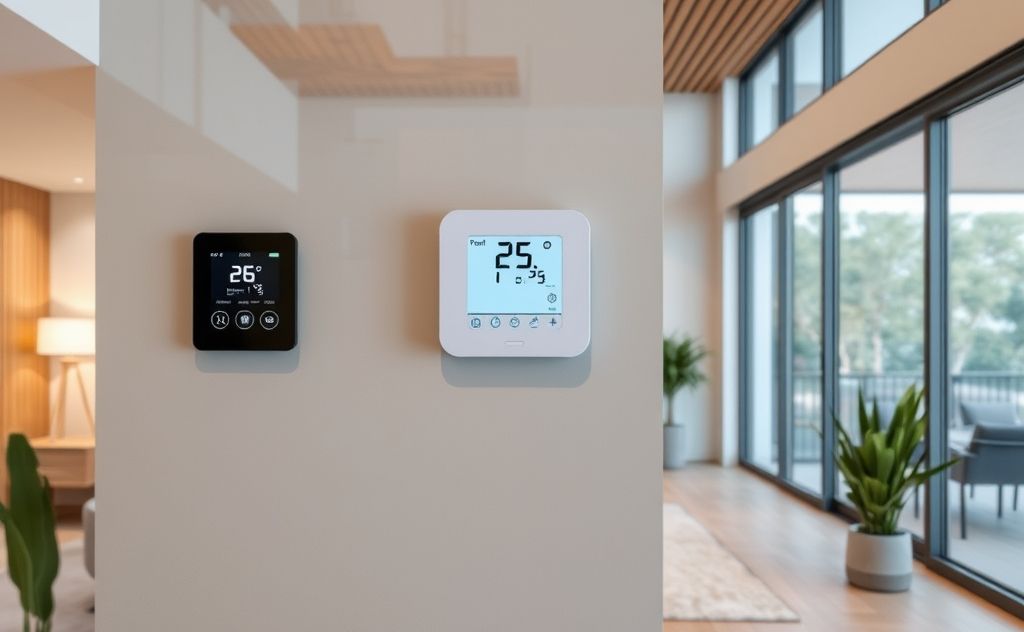
Core Features of Smart Temperature Control Systems
Remote Access & Control
Smart thermostats connect to Wi-Fi, allowing control from anywhere via smartphone apps. Adjust temperatures while at work or on vacation. Many models like premium HVAC thermostats offer voice control through Alexa or Google Assistant.
Learning Algorithms & Automation
Advanced systems track your habits and create automatic schedules. The Nest Learning Thermostat adapts to your routine within a week. Ecobee models use occupancy sensors to optimize temperature settings.
Multi-Zone Temperature Management
High-end systems support multiple zones with individual sensors. This allows different temperatures in various rooms. Smart vents work with these systems to direct airflow where needed most.
Energy Usage Tracking
Real-time energy reports help identify waste. Many systems display usage patterns and suggest optimizations. According to Energy.gov, smart thermostats can save 10-12% on heating and 15% on cooling costs.
Geofencing Technology
Your smartphone’s location triggers temperature adjustments. The system turns down heating when you leave and warms your home before you return.
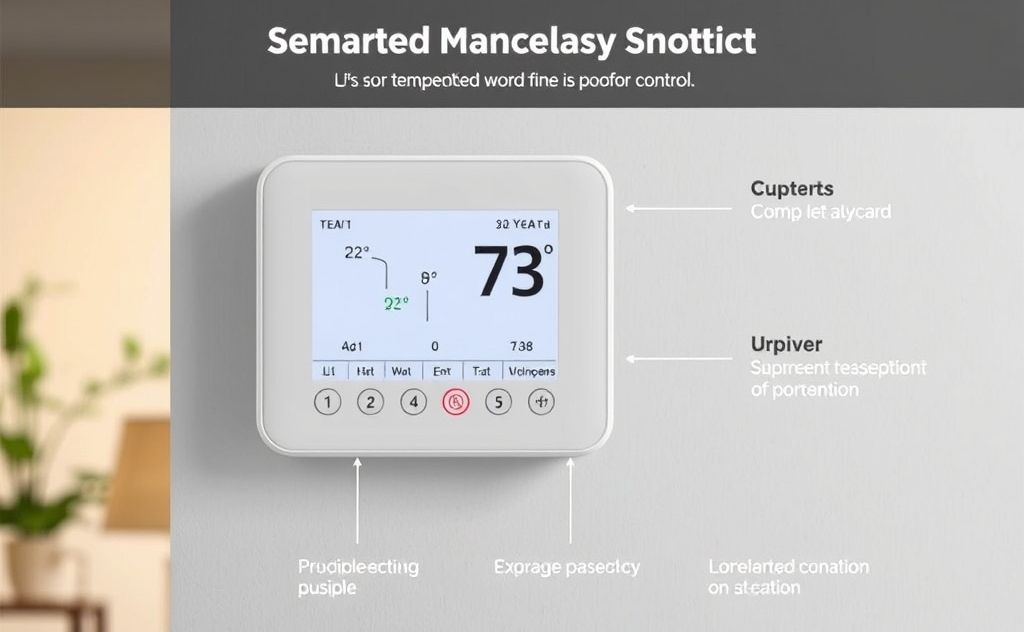
Advanced Functionality
HVAC System Monitoring
Smart systems detect performance issues before they become problems. They alert you about filter changes or system malfunctions. Some can even diagnose specific component failures.
Weather Adaptation
Connected to weather services, these systems adjust settings based on forecasts. They prepare for cold snaps or heat waves before they hit.
Air Quality Integration
Premium models monitor humidity, CO2 levels, and pollutants. They work with EPA-recommended ventilation strategies to improve indoor air quality while maintaining comfort.
Emergency Alerts
Receive notifications for extreme temperature changes that could damage pipes or sensitive equipment. Some systems detect smoke alarms and can automatically shut down HVAC systems during fires.
Installation & Compatibility
Wiring Requirements
Most smart thermostats need a C-wire for continuous power. Some models include adapters for homes without this wiring. Professional installation ensures proper setup.
HVAC System Compatibility
| System Type | Compatibility |
|---|---|
| Forced Air | Fully Compatible |
| Heat Pump | Most Models |
| Radiant Heat | Limited Options |
| Boiler Systems | Specialized Models |
Smart Home Integration
Leading systems work with Apple HomeKit, Google Home, and Amazon Alexa. They can coordinate with other smart devices like lights and security systems.
Specialized Applications
Commercial Use
Businesses benefit from centralized control of multiple zones. Smart systems help comply with energy regulations while maintaining comfort for employees and customers.
Medical & Laboratory Environments
Precision temperature control is critical for sensitive environments. These systems maintain strict parameters with redundant monitoring and instant alerts for deviations.
Agricultural Applications
Greenhouses and livestock facilities use smart controls to optimize growing conditions while minimizing energy costs. Remote monitoring is especially valuable for large operations.
Future Developments
AI Optimization
Next-generation systems will use machine learning to predict needs before they arise. They’ll analyze historical data and weather patterns for perfect climate control.
Grid Integration
Utilities are testing programs where smart thermostats help balance demand. Systems may automatically adjust during peak periods in exchange for rebates.
Expanded Sensor Networks
Future homes may have dozens of micro-sensors providing hyper-local temperature data. This will enable room-by-room climate customization with unprecedented precision.
Related pick: Check today's price on Amazon

I am a mechanical engineer and love doing research on different home and outdoor heating options. When I am not working, I love spending time with my family and friends. I also enjoy blogging about my findings and helping others to find the best heating options for their needs.
Related guides
How Smart Home Systems Perfectly Maintain Your Home Temperature
Smart systems maintain home temperature using sensors and algorithms to automatically adjust heating and cooling based on occupancy…
How Smart Systems Revolutionize HVAC Efficiency and Comfort
Smart systems integrate with HVAC by utilizing IoT sensors and AI algorithms to optimize energy efficiency, enhance comfort,…
Smart Temperature Control: How AI & IoT Transform Home Comfort
Temperature control with smart systems utilizes sensors and algorithms to optimize heating and cooling, enhancing comfort and energy…
