

Natural gas heaters vary in heating capacity, typically ranging from 20,000 to 100,000 BTUs, making them efficient for residential and commercial spaces.

Mr. Heater
Mr. Heater 50,000 BTU Forced-Air Unit Heater…
- Ceiling-mounted forced air unit heater turns garages, barns, and workshops into heated workspaces
- 50,000 BTUs heat up to 1,667 sq ft, or approximately a 3-car garage
- Compatible with standard 24-volt or new Wi-Fi enabled thermostats (sold separately)
Natural gas heaters deliver powerful, cost-effective warmth for homes and businesses. With heating capacities ranging from 30,000 to over 200,000 BTU, these systems provide reliable comfort even in extreme cold. Understanding their capabilities helps you choose the right unit for your space.
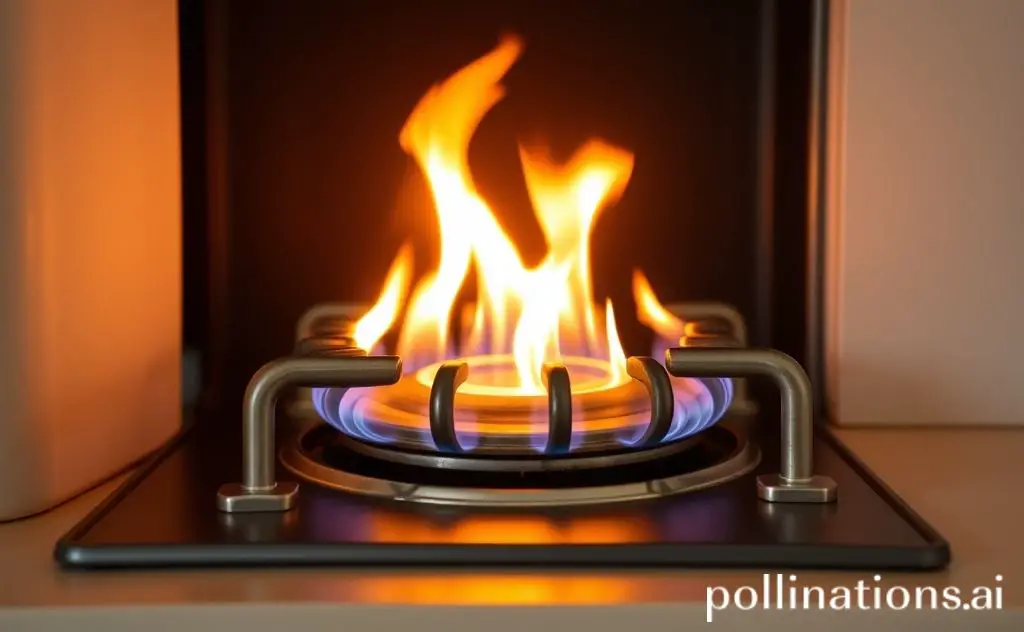
How Natural Gas Heaters Work
Natural gas heaters burn methane to generate heat through combustion. The process involves:
- Gas valve regulates fuel flow
- Burner assembly ignites the gas
- Heat exchanger transfers warmth to air/water
- Vent system removes exhaust gases
Modern units like the Rinnai RL94EN achieve up to 94% efficiency through advanced heat exchanger designs.
BTU Ratings Explained
Heating capacity is measured in British Thermal Units (BTU):
| Space Size | Recommended BTU |
|---|---|
| 500 sq ft | 15,000-30,000 |
| 1,000 sq ft | 30,000-60,000 |
| 2,000 sq ft | 60,000-120,000 |
Types of Natural Gas Heaters
Forced Air Furnaces
The most common whole-home solution, distributing heated air through ductwork. High-efficiency models like the Lennox SLP98V achieve 98% AFUE ratings.
Tankless Water Heaters
Provide endless hot water on demand. The Rheem RTGH-95DVLN delivers 9.5 GPM with 94% efficiency.
Radiant Heaters
Infrared models heat objects directly, ideal for garages or patios. Popular for their instant warmth and wind resistance.
Optimizing Performance
Maximize your heater’s capacity with these tips:
- Annual professional maintenance
- Proper insulation and air sealing
- Zoned heating controls
- Smart thermostat integration
For outdoor applications, consider wind barriers and strategic placement to prevent heat loss. The Torch Guys recommend positioning heaters near seating areas with overhead coverage.
Safety Considerations
All gas heaters require:
- Proper ventilation
- Carbon monoxide detectors
- Clearance from combustibles
- Professional installation
Modern units feature multiple safety shutoffs, but regular inspection of components like the thermostat and gas connections remains essential.
Cost Analysis
Natural gas typically costs $0.50-$1.50 per therm. A 60,000 BTU furnace running 3 hours daily consumes about 60 therms monthly ($30-$90). Compared to electric resistance heating, gas saves 30-50% on energy bills.
High-efficiency models qualify for rebates in many areas, improving ROI. The Department of Energy recommends comparing EnergyGuide labels when selecting units.
Related pick: Check today's price on Amazon

I am a mechanical engineer and love doing research on different home and outdoor heating options. When I am not working, I love spending time with my family and friends. I also enjoy blogging about my findings and helping others to find the best heating options for their needs.
Related guides

7 Key Benefits of Natural Gas Furnaces for Home Heating
Natural gas furnaces offer efficient heating, lower energy costs, reduced emissions, and consistent warmth, making them an eco-friendly…
Best Direct-Vent Gas Wall Heaters for Small Spaces
Direct vent gas wall heaters are the top choice for 70% of homeowners seeking efficient, safe supplemental heat.…
Vented vs Ventless Gas Fireplaces: Key Differences
Compare vented and ventless gas fireplaces on heat output, safety, running cost, and installation to choose the best…
