

Gas space heaters can contribute to greenhouse gas emissions and indoor air pollution, making their environmental impact significant and worth considering for homeowners.
Gas space heaters may keep you warm, but they come with serious environmental and health consequences. From carbon monoxide poisoning to increased greenhouse gas emissions, understanding these risks helps you make safer heating choices.

Mr. Heater
Mr. Heater 30,000 BTU Vent Free Blue…
- Emits 30,000 BTU/hr
- Heats up to 1,000 square feet
- Battery operated electronic ignition (battery included)
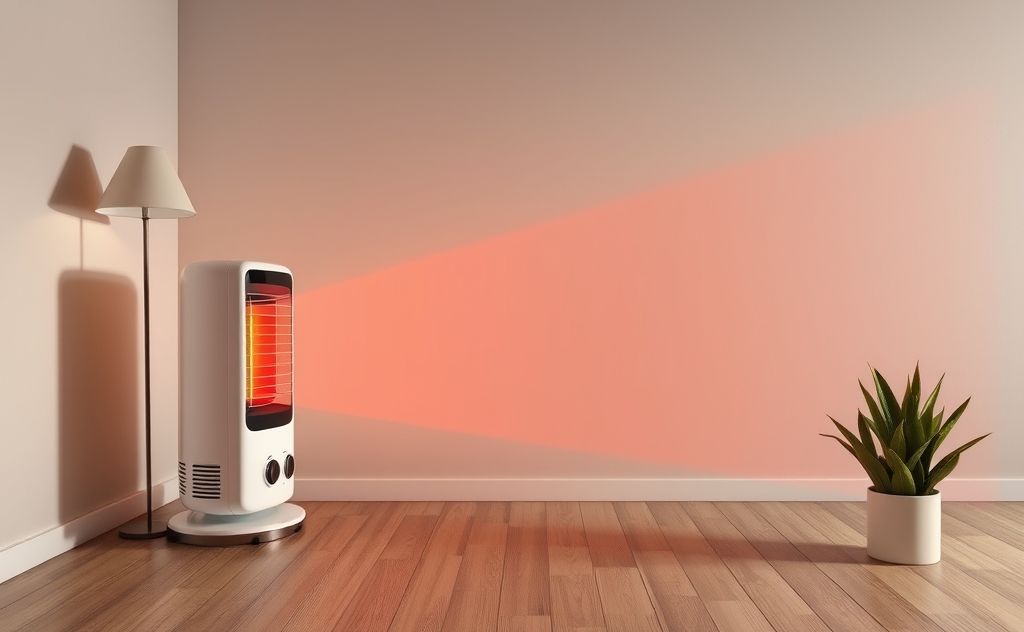
How Gas Space Heaters Harm the Environment
Gas heaters contribute significantly to environmental degradation through multiple mechanisms:
- Carbon dioxide emissions: A typical gas heater emits 5-6 pounds of CO2 per hour of use
- Methane leaks: Up to 3% of natural gas escapes before combustion in older systems
- Nitrogen oxides: These contribute to smog formation and respiratory issues
The Climate Change Connection
Methane (the primary component of natural gas) has 25 times the global warming potential of CO2 over a 100-year period. The EPA estimates residential gas use accounts for 13% of U.S. greenhouse gas emissions from buildings.
Health Risks You Can’t Ignore
Beyond environmental impact, gas heaters pose direct health threats:
| Pollutant | Health Effects | Concentration in Homes |
|---|---|---|
| Carbon Monoxide | Headaches, dizziness, death at high levels | 5-30 ppm near appliances |
| Nitrogen Dioxide | Asthma exacerbation, reduced lung function | Up to 100 ppb in poorly ventilated spaces |
| Formaldehyde | Eye/nose irritation, cancer risk | Higher in homes with gas appliances |
Vulnerable Populations at Greater Risk
Children, elderly, and those with respiratory conditions experience more severe effects. A American Lung Association study found gas appliances increase childhood asthma risk by 42%.
Safer Alternatives to Gas Heaters
Consider these cleaner options for home heating:
- Electric heat pumps: 300% more efficient than gas heaters
- Infrared panels: Zero emissions and precise zone heating
- Hydronic systems: Use water instead of air to distribute heat
Hybrid Solutions for Transition
For those not ready to fully switch, high-efficiency gas heaters with proper venting reduce risks. Pair with solar window heaters to cut gas dependence.
Proper Maintenance Reduces Risks
If using gas heaters, follow these safety protocols:
- Annual professional inspections of vents and burners
- Install CO detectors on every floor
- Never use unvented heaters in sleeping areas
- Ensure adequate fresh air ventilation
Signs Your Heater Needs Service
Watch for yellow flames (should be blue), soot buildup, or moisture on windows. These indicate improper combustion and increased pollution.
Related pick: Check today's price on Amazon

I am a mechanical engineer and love doing research on different home and outdoor heating options. When I am not working, I love spending time with my family and friends. I also enjoy blogging about my findings and helping others to find the best heating options for their needs.
Related guides

Top Picks That Will Transform Your Space: Best Freestanding Gas Fireplace Heater
Over 60% of homeowners choose the best freestanding gas fireplace heater for efficient heating. That’s why the ProCom…
Why Is My Propane Heater Making Noise? Troubleshooting Guide
Why a propane heater makes noise, which sounds are normal, and how to check the usual causes safely…
The Hidden Gems of Natural Gas Heater Regulators You Need to Know
Struggling with inconsistent heating in your home? A reliable natural gas heater regulator can solve this issue effectively.…