

Energy efficient natural gas furnaces provide effective heating while reducing energy costs and emissions, making them an eco-friendly choice for homeowners.
Energy efficient natural gas furnaces can slash your heating bills while keeping your home comfortable. Modern high-efficiency models achieve 90%+ AFUE ratings, meaning they convert nearly all fuel into usable heat. This guide explains how to choose the best system for your climate and budget.
Rinnai
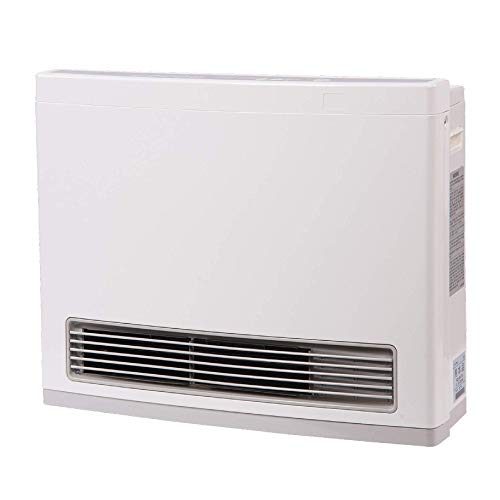
Rinnai FC824N Ventless Natural Gas Heater with…
- Efficient Heating: Our small space heater provides powerful warmth in compact rooms; With its warm air outlet and bottom front lou…
- Smart Control: Enjoy precise temperature control with our room heater's programmable thermostat display; The digital adaptive cont…
- Peace of Mind: Our wall heater is designed with your safety in mind with a flame failure device, overheat switch, oxygen depletion…
How Energy Efficient Gas Furnaces Work
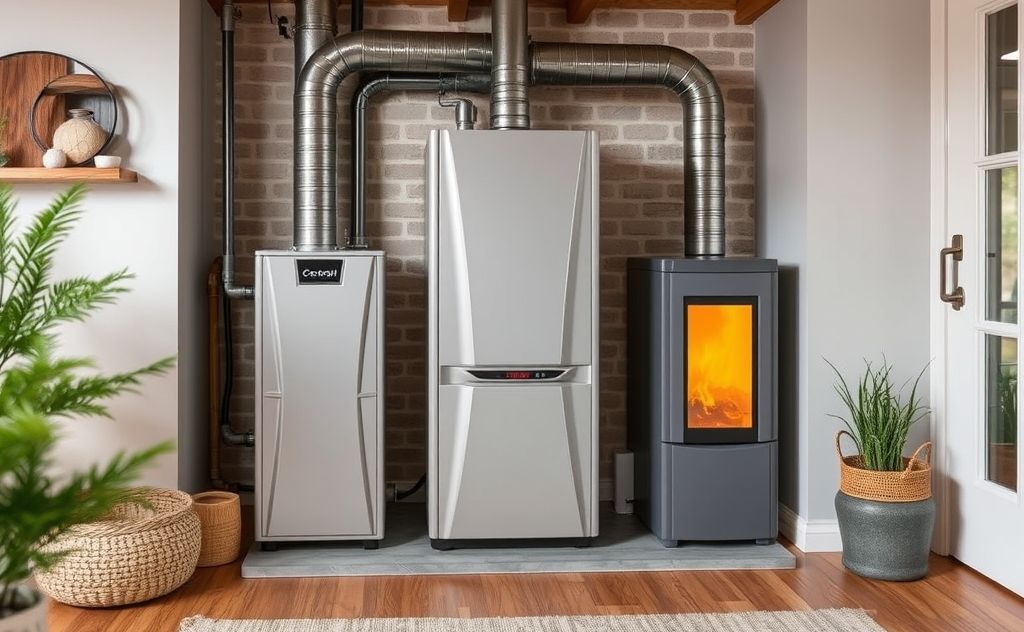
High-efficiency natural gas furnaces use advanced technology to maximize heat output while minimizing waste:
- Condensing technology captures heat from exhaust gases that would otherwise escape
- Variable-speed blowers adjust airflow precisely to match heating demands
- Sealed combustion prevents heat loss and improves safety
- Modulating burners fine-tune flame size for optimal efficiency
AFUE Ratings Explained
The Annual Fuel Utilization Efficiency (AFUE) measures what percentage of fuel converts to heat:
| AFUE Rating | Efficiency Level |
|---|---|
| 80-89% | Standard efficiency |
| 90-98% | High efficiency |
| 98.5%+ | Ultra high efficiency |
ENERGY STAR Certified Furnaces
ENERGY STAR certified gas furnaces meet strict efficiency guidelines set by the EPA. According to ENERGY STAR, these models offer significant savings:
- Northern U.S.: 15% more efficient than standard models ($120 annual savings)
- Southern U.S.: 11% more efficient than standard models ($40 annual savings)
Regional Efficiency Requirements
ENERGY STAR has different requirements based on climate:
- Northern states: Minimum 95% AFUE
- Southern states: Minimum 90% AFUE
Choosing the Right High-Efficiency Furnace
Consider these factors when selecting an energy efficient natural gas furnace:
1. Proper Sizing
An oversized furnace will short-cycle, reducing efficiency. Have a professional perform a Manual J load calculation.
2. Advanced Features
Look for models with:
- Variable-speed ECM blower motors
- Two-stage or modulating gas valves
- Sealed combustion chambers
3. Installation Quality
Even the most efficient furnace won’t perform well if installed incorrectly. Choose a licensed HVAC professional with experience in high-efficiency systems.
Cost vs. Savings Analysis
While high-efficiency furnaces cost more upfront, they pay for themselves through energy savings:
| Efficiency Level | Price Premium | Annual Savings | Payback Period |
|---|---|---|---|
| 90% AFUE | $800-$1,200 | $120-$200 | 4-7 years |
| 95% AFUE | $1,500-$2,000 | $150-$250 | 6-10 years |
| 98% AFUE | $2,500-$3,500 | $180-$300 | 8-12 years |
Maintenance for Peak Efficiency
Keep your high-efficiency furnace running at peak performance with regular maintenance:
- Change filters monthly during heating season
- Schedule annual professional tune-ups
- Keep vents and registers clean and unobstructed
- Consider adding a smart thermostat for better temperature control
Rebates and Tax Credits
Many utilities and government programs offer incentives for high-efficiency furnace installations:
- Federal tax credits for qualifying ENERGY STAR models
- Local utility rebates (often $200-$500)
- Special financing options through HVAC contractors
According to the U.S. Department of Energy, the lifetime savings from an efficient furnace can exceed $1,300 compared to standard models.
Related pick: Check today's price on Amazon

HeaterGuides covers home heating, water heating and HVAC: how the equipment works, what it costs to run, and how to use it safely.
