
Skip to content

Expert home heating guides, reviews & repairs

Heater GuidesHeaterGuides
Infrared Heating

Stay Warm, Save Energy: The Smart Heater That Keeps Your Room Just Right

At a glance
Stay warm and save energy this winter by sealing drafts, using thermostats wisely, adding insulation, and maintaining your heating system. This DIY-friendly process takes a few hours to days depending on upgrades.

Effective winter comfort is about controlling heat loss and using your heating system efficiently. This guide walks you through practical steps to keep your home warm without wasting energy.

From sealing drafts to choosing the right thermostat settings, these steps help you lower bills and stay comfortable through cold days.

Stay Warm, Save Energy with Smart Heating and Draft Sealing

In an old house, the best energy savings come from sealing door and window drafts, lowering the thermostat when you’re asleep or away, and keeping your body warm with layers, curtains, rugs, and controlled humidity. You can stay warm at home without a heater for stretches by blocking cold-air leaks, using sunlight during the day, closing curtains after dark, and warming the room you actually occupy.
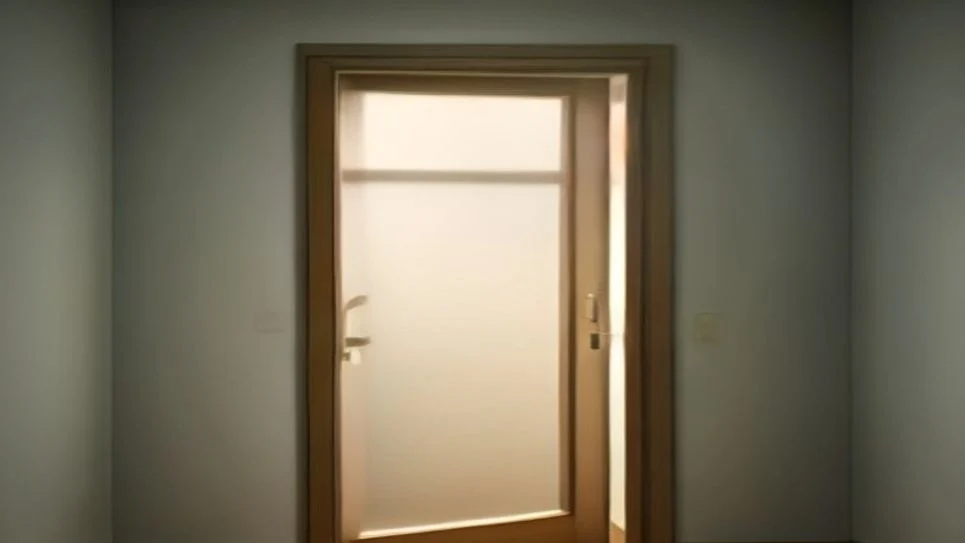
A door with weather stripping installed to seal drafts
Proper sealing of drafts keeps your home warm.

Drafts waste heat because moving outdoor air replaces the warm air your heating system already paid to produce. Start with the doors and windows you can feel: press weatherstripping against moving sashes, caulk fixed gaps around trim, and place a draft snake at the bottom of an exterior door.

1
Find the leaks
On a windy day, move your hand around window frames, door edges, baseboards, and outlet covers on exterior walls. A cold strip or moving curtain points to a gap worth sealing.
2
Seal the easy gaps
Use weatherstripping on movable doors and windows, caulk on stationary cracks, and a fabric draft snake where air comes under a door. Don’t seal a required combustion-air opening.
3
Keep the heat in
Open curtains on sunny windows during the day for solar heat gain. Close them at night; thermal curtains or portieres add another barrier, especially over drafty windows.
4
Warm people before rooms
Layer a shirt, sweater, socks, and slippers before raising the thermostat. Add rugs or carpets over cold uncarpeted floors, and set ceiling fans clockwise so warm air moves down from the ceiling.
Low-cost comfort checks
Set a programmable thermostat to reduce heat while you’re asleep or away, then restore the home temperature before you need it.
Use a humidifier if winter air feels uncomfortably dry; added humidity can make the same room temperature feel warmer.
Close the fireplace damper when the fireplace is unused so heated air doesn’t escape up the chimney.
Keep doors closed between heated rooms and unused spaces when that matches your heating setup.
Old-house priority
Seal the biggest leaks before buying a larger heater. A door sweep, window weatherstripping, caulk, and a draft snake cost less than heating replacement outdoor air all winter; insulation work belongs in the next upgrade step.

A humidifier can improve comfort at a lower thermostat setting, but use it as a comfort tool rather than a substitute for draft sealing. If you want the humidity side explained separately, see winter humidity control.

In short
Block moving air first, then use schedules and personal comfort measures to reduce heating demand. A sealed room with curtains, rugs, layers, and sensible humidity usually feels warmer before the thermostat moves.

How to Choose and Set Your Thermostat for Comfort and Savings

Choose a programmable thermostat if you want automatic time-based temperature changes; choose a smart thermostat if you also want remote control, alerts, and adjustments from your phone. For winter savings, aim for 68 to 70°F while you’re home and lower the setting while you’re asleep or away.

Season or situationPractical setting
Winter, home68–70°F
Winter, asleep or awayLower than your home setting; schedule the recovery before you wake or return
Spring and fallHeat only when indoor comfort requires it; use a schedule instead of heating an empty house
Summer coolingSet cooling as high as comfortable, and use fans to improve air movement
The best setting is the highest heating or lowest cooling demand that still feels comfortable.

A programmable thermostat saves energy by lowering the temperature automatically during predictable empty or sleeping hours. A smart thermostat adds remote access, so you can correct an overly warm schedule, check the temperature before returning, or avoid heating an empty home; its savings depend on the schedule you actually use.

For the ten practical reasons to choose a timed thermostat, see powerful benefits of programmable thermostats. A smart model is worth considering when your schedule changes often; a basic programmable model suits a steady routine and needs fewer connected features.

Placement matters
Mount the thermostat on an interior wall, away from direct sun, drafts, exterior doors, windows, kitchens, and supply vents. A bad location makes the sensor read the wrong temperature, so the system may cycle too soon or run longer than the room needs.

Add Insulation and Improve Home Envelope to Cut Heat Loss

The best ways to save energy in an old house are to air-seal obvious gaps first, then add insulation where heat escapes fastest: the attic, exterior walls, and floors above cold spaces. A tight, insulated envelope lets your heater run fewer minutes because less warmed air and fewer watts leak outdoors.
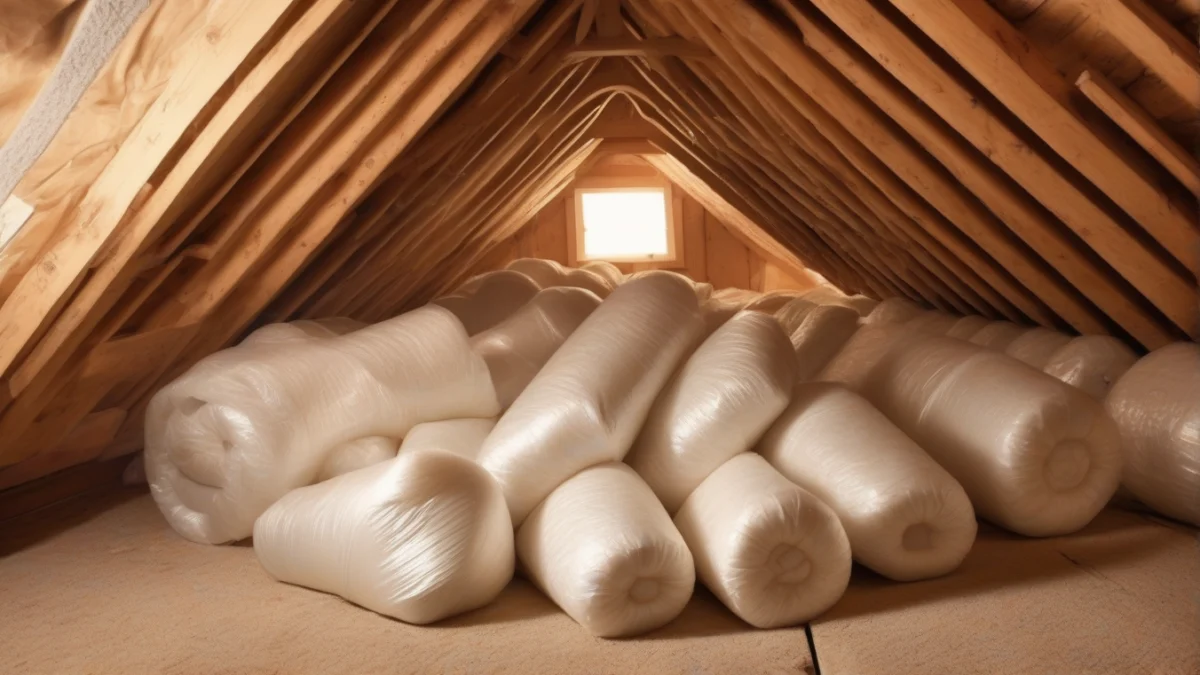
Insulation material covering the attic floor to reduce heat loss
Adding insulation helps to maintain a comfortable temperature.
1
Start at the attic
Check for thin or uneven attic insulation, gaps around plumbing and wiring, and an unsealed attic hatch. Seal penetrations with an appropriate caulk or foam, then improve attic insulation according to local guidance and the product instructions.
2
Work down the house
Weatherstrip movable doors and windows, caulk fixed joints, and inspect exterior-wall outlets for drafts. Floors over crawl spaces, garages, or unheated basements often feel cold; insulation below the floor helps more than placing another small heater nearby.
3
Stop chimney drafts
Close the fireplace damper whenever the fireplace is cold and unused. An unused flue may need a properly fitted, fireproof sealing method approved for that chimney; never block a flue that serves an operating appliance.

Insulation upgrades pay back best when they stop a large, easy-to-find loss. Attic air sealing and insulation usually deserve attention before opening finished walls, while floor insulation can make a cold room feel better even when its energy payback is slower. A rug, draft snake, or portiere is a low-cost fix for a cold floor or doorway, and thermal curtains help retain heat after sunset.

A water heater’s energy use depends on the water volume you heat, the temperature setting, incoming water temperature, tank losses, and how often it runs. Check the unit’s EnergyGuide annual-use figure or meter data rather than guessing from its tank size; an ENERGY STAR certified heat pump water heater can reduce utility bills, though installation space and upfront work matter.

Start Insulation Upgrades Right
Before spending on insulation upgrades, understand how attic, wall, and floor insulation reduce heat loss and improve heater efficiency. This knowledge helps you prioritize where to invest first. See how insulation boosts heater efficiency saves energy for detailed guidance.
Don’t seal a live flue
Never caulk, stuff, or cap a chimney or vent that serves a gas, oil, wood, or pellet appliance. A blocked exhaust path can send combustion gases into the home or cause dangerous overheating.

Maintain Heating Systems and Use Safe, Efficient Heating Practices

Clean heating equipment and safe operating habits save energy while preventing fires, carbon monoxide exposure, water damage, and expensive winter failures. Inspect forced-air filters at least monthly during the heating season as a starting point, then replace or wash them on the schedule printed by the manufacturer; a clogged filter restricts airflow and makes the system work harder.

Before the first cold snap
Check the filter, supply vents, return grille, and visible wiring for dirt, blockage, or damage.
Keep flammable items and furniture away from heaters; plug electric space heaters directly into a wall outlet, never a power strip or extension cord.
Confirm that fuel-burning appliances have the ventilation their manuals require and that working carbon monoxide alarms are installed.
Look for dripping pipes, a damp area beneath the water heater, or a relief-valve discharge line releasing water.

Gas-safe heating means using an indoor-rated appliance exactly as listed, with required ventilation and a working CO alarm. Propane heaters designed for indoor use should have an oxygen depletion sensor; outdoor, patio, torpedo, and construction heaters don’t belong in a room, tent, or vehicle cabin. Kerosene heaters take 1-K kerosene only, never gasoline.

A hot water bottle can warm a bed, but inspect the bottle and stopper for cracks or leaks, fill it according to its instructions, and keep it secured away from bare skin. Heated blankets and pads must stay flat, use their auto shut-off, and never be folded or bunched while powered; don’t use them for infants or anyone who can’t feel heat reliably.

Stop before making a gas or electrical repair
Gas connections, venting, 240-volt wiring, and water-heater work often require a licensed plumber or electrician and a permit under local rules. Never cap or plug a T&P valve discharge line; water above 120°F at the tap raises scald risk.

Arrange professional service when a burner shows soot, a flame looks abnormal, an appliance repeatedly shuts down, a flue is damaged, or a fuel smell appears. Turn the appliance off, leave the area if needed, and follow the fuel supplier or emergency guidance rather than trying to make the leak disappear with tape.

Frequently Asked Questions

What temperature should I set my thermostat to save energy and stay comfortable?
Set the thermostat to about 68 to 70°F while you’re home, then lower it when you’re asleep or away. A programmable thermostat can make those changes on schedule, but lower the setting gradually if your home takes a long time to warm back up.
How often should I clean or replace heating system filters?
Check a forced-air system’s filter about once a month during heating season and clean or replace it when it’s visibly loaded with dust, following the filter and furnace instructions. Dirty filters restrict airflow, make the blower work harder, and don’t belong in boilers or radiator systems that have no air filter.
Are hot water bottles safe to use for heating beds?
A hot water bottle can warm a bed safely when the bottle, stopper, and cover are in good condition. Use hot rather than boiling water, tighten the stopper, check for leaks, and keep the covered bottle from pressing against bare skin for long periods; replace it if the rubber is cracked or brittle.
Which parts of the home should I insulate first?
Start where heat loss is easiest to stop: air-seal obvious gaps, then check the attic before spending money on harder wall work. Cold floors above an unheated basement or crawlspace can be a good next target, especially if rugs haven’t solved the comfort problem.
How do smart thermostats compare to programmable ones?
A programmable thermostat handles scheduled temperature setbacks, which is the main energy-saving job. A smart thermostat adds phone control, alerts, and sometimes learning features, so choose it when remote access or system monitoring matters; it won’t create extra savings if you already follow the same schedule manually.
What materials are best for sealing drafts around doors?
Use adhesive or screw-on weatherstripping where the door or window moves, and caulk for fixed cracks around the frame. A draft snake works at the bottom of a closed door, while a heavier portiere can limit airflow across a doorway that has no effective door.
How can I tell if my home’s humidity level is optimal?
Use a small hygrometer and aim for roughly 30% to 50% relative humidity during winter. Condensation on windows, damp trim, or a musty smell means the level may be too high; a dry throat and frequent static can point to air that’s too dry, though a humidifier still needs regular cleaning.
Keep reading
best portable electric heatersCompare portable heaters for efficient room-by-room warmth.
energy-efficient fireplace standSee fireplace-style heating options that add warmth without a full remodel.
15 smart ways to save energy with a portable heaterFind practical ways to reduce portable-heater energy use.
stay cozy saveBrowse energy-efficient heaters by heating need and room size.
Share
Written by Joye

I am a mechanical engineer and love doing research on different home and outdoor heating options. When I am not working, I love spending time with my family and friends. I also enjoy blogging about my findings and helping others to find the best heating options for their needs.

Keep reading

Related guides

Free newsletter

Heater deals and guides, worth opening

Price drops, new guides and safety recalls. One email, only when it matters.

No spam. Unsubscribe in one click. Privacy policy.
