

The half-true part is that black does seem to “pull in” heat, and that part is real when the heat source is radiant, like the sun. The part that goes off the rails is the word attract; black doesn’t make heat appear, it simply reflects less of the light that hits it.
For heaters, windows, clothing, and painted metal, the better question is where the heat is coming from. Sunlight, a glowing coil, and warm air behave differently, and color only helps with one of those in a big way.
How Black Affects Heat Absorption
Black doesn’t attract heat by itself, but it absorbs more radiant energy than white because it reflects less light. That means a black surface turns more sunlight into heat, while white bounces most of it away.

Sunlight is radiant energy—electromagnetic waves traveling through space. When they hit a surface, some energy bounces off, some passes through, and some gets absorbed. Black surfaces absorb much of this energy, turning it into heat. White surfaces reflect most of it, staying cooler.
The finish also changes absorption. Matte black absorbs more radiant heat than shiny black because glossy surfaces reflect some light. That’s why a matte black car gets hotter in the sun than a glossy one of the same color.
Here’s a simple example: place two identical metal panels outdoors, one painted black matte and one white glossy, both in direct sunlight. The black panel usually heats up faster and reaches a higher surface temperature. But the air temperature around them stays roughly the same because air warms mainly by convection, not by color.
Does black attract heat? Strictly, no. It absorbs radiant heat better. Does black absorb heat? Yes, it converts more sunlight into heat energy than lighter colors. Does black trap heat? Not really; heat retention depends on insulation and airflow, not color. Does the color black hold heat? Only insofar as it absorbs more radiant energy at the surface.
When the color stops mattering
| Situation | Does Color Matter? | Why |
|---|---|---|
| Direct sun on outdoor objects | Yes | Black absorbs more radiant heat, raising surface temperature quickly. |
| Indoor rooms | No | Heat mainly comes from air temperature and insulation, not surface color. |
| Moving air or wind | No | Airflow removes heat regardless of surface color. |
| Opaque vs reflective surfaces | Yes | Reflective finishes reduce heat absorption even if color is dark. |
| Cloudy or shaded conditions | Minimal | Less radiant heat reaches surfaces, so color difference shrinks. |
Does black or white absorb more heat? Black absorbs more under direct sunlight, but indoors or on cloudy days, the difference is small. Does white attract heat? No, white reflects most radiant energy and stays cooler. Does grey attract heat? Grey absorbs some heat, less than black but more than white.
A black fabric shirt and a black metal roof behave differently. Fabric moves air through and holds some heat inside; metal quickly heats and cools. Thickness, airflow, and what’s behind the surface all influence heat, not just color.
Does black vs white heat absorption matter? It depends on the setting. Outdoors in the sun, yes. Indoors or in shade, other factors dominate. Which color attracts the most heat? Black attracts the most radiant heat, but that’s only one part of the heat equation.

What color reflects more heat
White and other light colors reflect more sunlight than black, which absorbs most of it. Silver or shiny foil-like surfaces reflect even more because they bounce a large portion of radiant energy away.
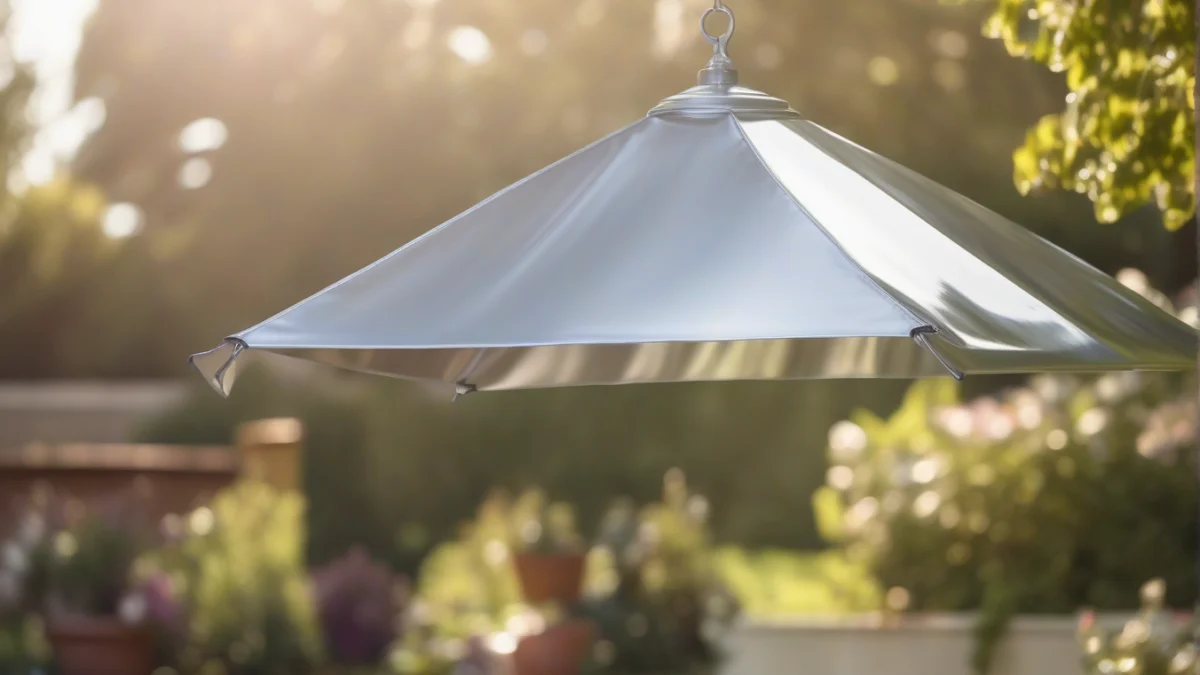
Reflecting sunlight isn’t the same as dissipating heat. A surface can reflect sunlight well yet still get hot if it has poor airflow or sits on insulating material. That heat then builds up rather than quickly escaping.
Colors like red, blue, green, and yellow usually absorb less heat when they’re lighter shades and more when darker. Gloss level and pigment type also influence how much light gets reflected or absorbed. So, two dark blues may behave differently depending on their finish.
What to do instead
For clothing and sunshades, pick light colors or reflective fabrics to reduce heat gain. If your sunshade has a backing, a lighter one helps bounce heat away.
South-facing windows in extreme heat benefit more from reflective films, exterior shades, or blinds that block or reflect sunlight outside rather than a black covering inside the glass.
Black high-heat coatings make sense on grills, stoves, radiators, engines, or fire pits when durability matters more than keeping the surface cool. Rust-Oleum High Heat Ultra Semi-Gloss Black Spray Paint is designed for metal surfaces exposed to up to 1,200°F and helps protect against rust and corrosion.
| Color | Heat Absorption |
|---|---|
| Black | High, absorbs most sunlight |
| Red | Moderate, varies with shade |
| White | Low, reflects most sunlight |
| Yellow | Lower than black, varies with shade |
What to check next
Black doesn’t repel or draw heat by magic—it absorbs more radiant heat than white or light colors, but that’s only part of the story. Dark blue behaves similarly to black, soaking up more sunlight than pale colors. If you want less heat on an outdoor surface, white or silver will reflect more sunlight and keep things cooler. For example, a white roof can reduce heat buildup compared to a black one.
If your goal is a cooler room, focus on shade and insulation rather than paint color. Blocking direct sun with awnings or trees and sealing drafts will do more than any color switch. When coating hot metal parts like grills or stoves, opt for a heat-rated product designed to handle temperatures above 1,000°F instead of relying on color alone.
More Questions, Answered
Does black absorb or reflect heat?
Does white attract heat?
Which color attracts the most heat?
Does gray attract heat?
Does black paint absorb heat?
Which color reflects more heat, black or white?

I am a mechanical engineer and love doing research on different home and outdoor heating options. When I am not working, I love spending time with my family and friends. I also enjoy blogging about my findings and helping others to find the best heating options for their needs.
Related guides

Cost-Effective Heating For Small Apartments: What Works
Compare the cheapest practical ways to heat a small apartment, with running-cost math, comfort tradeoffs, and safety basics.

Underfloor Heating: The Smart Way to Save Energy & Money
Underfloor heating offers energy savings by providing efficient, even heat distribution, reducing energy consumption and lowering utility bills…
How Can You Heat A Pool Without Electricity?
Heat a pool without electricity using solar covers, solar rings, liquid covers, or wood-fired and wind options, with…
