

A dark surface soaks up more visible and infrared energy, then turns that energy into heat in the material. White reflects more of that light back out, which is why a white hood, roof, or canopy usually stays cooler in direct sun.
The catch is that color is only part of the job. A shiny black surface can reflect some light, a rough white surface can still get hot, and a trapped air gap can make either one feel warmer than you expect.
Black Absorbs Heat
Yes, black absorbs more heat than white or pale colors because it reflects less incoming light back into the air. When sunlight hits a black surface, most of that energy is absorbed and turned into heat in the material itself, raising its temperature. A white surface does the opposite: it reflects much of the sunlight away, so less energy stays behind to warm it up.
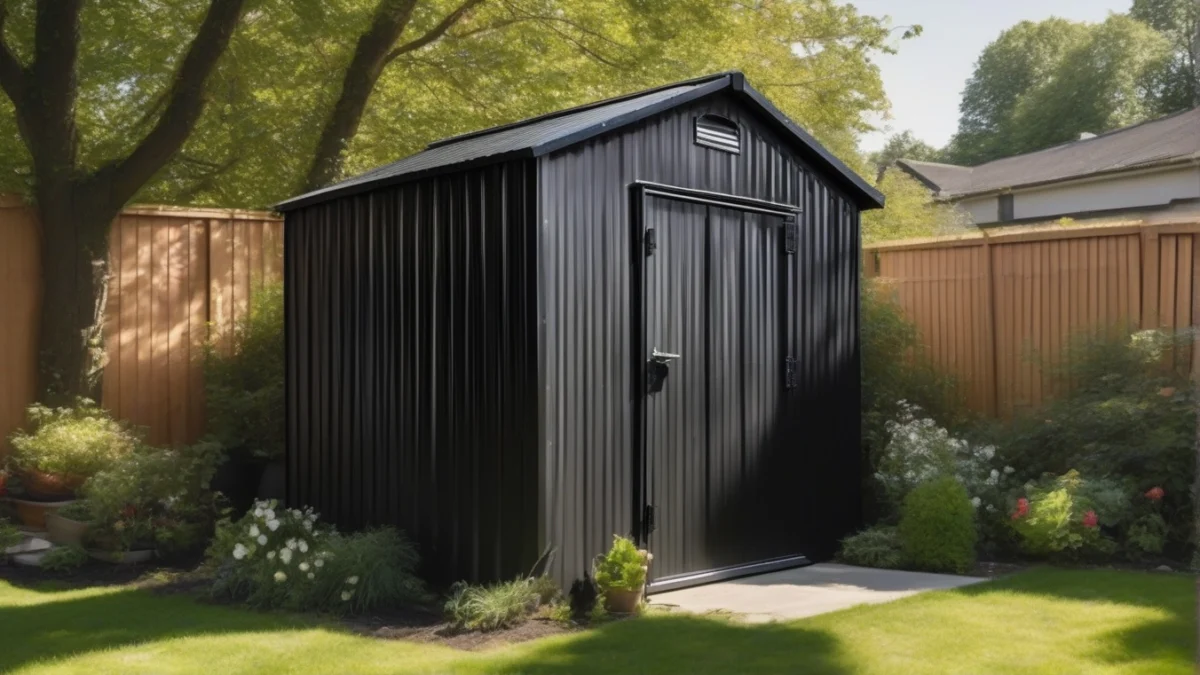
The difference shows up fastest on things left in the sun. A black car hood, a dark metal patio table, or a matte black roof panel will all heat up faster and reach a higher surface temperature than the same object painted white. The absorbed light energy doesn’t vanish—it becomes heat in the surface, and that heat can transfer to anything touching it or to the air around it.
Black versus white is the starkest contrast you’ll see. Black versus light green, pale blue, or beige will still favor black, but the gap narrows because those lighter colors also reflect a fair amount of sunlight. The exact difference depends on the paint formulation and finish: a glossy black may reflect more than a flat one, and a cheap white with a rough texture may absorb more than you’d expect. Surface temperature is what changes, not some fixed percentage that applies everywhere.
How The Sun Angle Changes Heat Absorption
Black paint absorbs more sunlight than white paint because white reflects most of the light spectrum while black reflects very little. That gap holds across most paints, but the real-world difference shrinks or grows depending on the finish, airflow, and whether the sun is shining directly on the surface. A glossy black finish reflects more light than a flat black one, narrowing the temperature gap with white. A white surface can still run warm if heat is trapped underneath—say, a white metal roof over an unvented attic—because the air around it can’t carry the absorbed heat away.
| Condition | Effect on heat absorption |
|---|---|
| Matte finish | Absorbs more light than glossy |
| Glossy finish | Reflects some light, heats less |
| Direct sun all day | Color difference is largest |
| Shade or indirect light | Color matters much less |
| Moving air | Cools both colors faster |
| Still air or trapped heat | Surface stays hotter longer |
| Thin metal | Heats and cools quickly |
| Insulated material | Holds heat longer |
Other colors sit between black and white. Black usually absorbs more heat than blue, red, green, or yellow, but a dark navy blue can beat a faded or glossy black if the black paint reflects more light. Yellow paint absorbs less heat than black paint in most cases, but more than white. Light green falls somewhere in the middle. The exact order depends on the pigment and finish, but black still wins for absorption when the paints are otherwise matched.
The strongest difference shows up on roofs, car hoods, awnings, and patio covers—anywhere sunlight hits for hours at a stretch. A black roof in Phoenix will run hotter than a white one, and that heat radiates into the attic. The same black roof in Seattle, where clouds and rain cut the sun exposure, will still absorb more than white, but the gap in practice is smaller because the sun isn’t as strong or constant.

Black Paint, White Paint, And Sunlight
Black paint absorbs far more sunlight than white paint does—often 80 to 90 percent of the light that hits it, while white reflects most of it back. Exact figures depend on the pigment and sheen, so unless you’ve got the manufacturer’s absorption data, it’s safer to say black runs much hotter than white in direct sun and leave the percentages alone. White or another light color is usually the better choice for a canopy, awning, or window shade when keeping the space underneath cool matters. You’ll feel the difference on a July afternoon.
Black can make sense when hiding grime or cutting glare on a hot part is the goal, but it won’t protect you from the sun. It absorbs more heat, not less. If your question is whether black or white absorbs more sunlight, the answer is black, every time. White reflects it, black soaks it up, and that absorbed energy turns into heat at the surface.
Roof coatings, patio covers, and vehicle interiors often go light for exactly this reason. When heat control matters more than aesthetics or dirt camouflage, white or a pale reflective finish wins.
What To Do Instead If You Want Less Heat
Choose white or another light, reflective color if you want to cut down on heat absorption. Black surfaces soak up more heat, while white surfaces bounce most sunlight back. This holds true for painting metal sheds or picking tarp colors. Once the color is set, adding shade or boosting airflow usually improves comfort more than switching colors.
Silver can feel cooler than black even when both look dark to your eye, because a reflective metallic surface throws more radiant energy back instead of soaking it in. Scientifically, black absorbs heat better than silver does, and that absorption gap is why foil-faced insulation and metallic roof coatings exist. Reflectivity trumps visual darkness.
When you’re choosing a product for a hot space—a carport cover, a window shade, a tarp over equipment—a reflective covering or a light-colored canopy often beats repainting a small dark surface underneath. Focus on the biggest thing the sun hits first. If you’re serious about reflective heat control, swap the surface or add a layer rather than tweaking the trim.
Does black absorb or reflect heat? It absorbs. Does black paint absorb heat? Yes. The answer doesn’t change with the question’s wording. White reflects, black absorbs, and when the sun’s out, that difference is real and measurable.
More Questions, Answered
Does black paint absorb heat?
Does black or white absorb more heat?
Does yellow paint absorb less heat than black paint?
How much does black paint absorb in the sun compared to white paint?
Why does black paint absorb more sunlight than white paint?
Which color absorbs more heat, black or light green?

HeaterGuides covers home heating, water heating and HVAC: how the equipment works, what it costs to run, and how to use it safely.
