Do Electric Fireplaces Increase Home Value? The Truth
On this page 7 sections
- Electric Fireplaces and Their Impact on Home Value
- Where the Heat and Value Actually Go
- Installation Matters More Than You Think
- How Electric Fireplaces Compare to Traditional Fireplaces
- Regional and Market Differences in Value Impact
- Choosing, Installing, and Using Your Electric Fireplace
- Frequently Asked Questions
Many homeowners wonder if installing an electric fireplace will boost their property’s resale value. The answer is yes, but the increase is usually smaller than with traditional fireplaces. Electric fireplaces offer ambiance, safety, and low-cost installation, making them a popular upgrade.
The impact on home value depends on factors like regional climate, installation quality, and how well the fireplace fits the home’s style. This article explains how electric fireplaces influence home value, what to consider when installing one, and what buyers expect.
Electric Fireplaces and Their Impact on Home Value
Yes, an electric fireplace can measurably improve resale value and buyer interest, but usually less than a comparable wood-burning or gas fireplace. Its effect comes mainly from a more attractive living space, practical supplemental heat, and low maintenance; the installation cost and how well the unit fits the room decide how much of that benefit survives an appraisal.
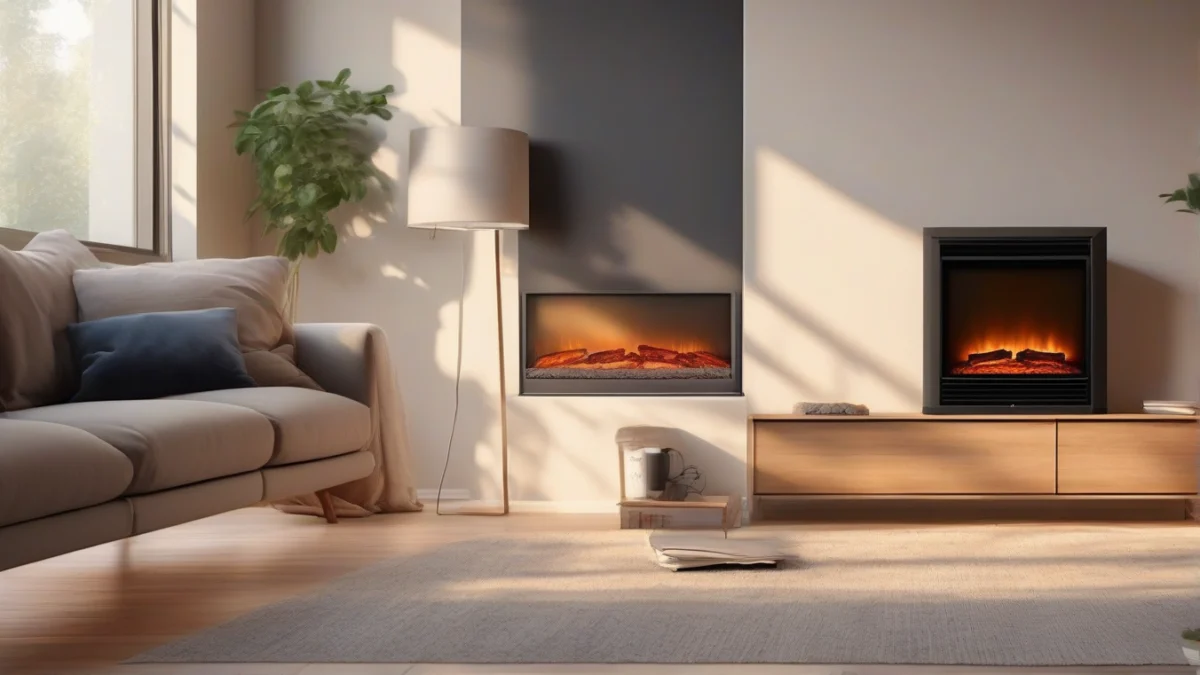
A national study found that homes with fireplaces sold for about 12% more than homes without one. That figure covers fireplaces generally, so you shouldn’t apply 12% to an electric model and call the result a guaranteed increase. Electric fireplaces may contribute to that premium by giving buyers the feature they want without a chimney, flue, gas line, or major venting work.
Resale value improves when the fireplace looks built in, suits the home’s style, and sits where buyers expect a focal point. A poorly sized insert, visible wiring, or a mantel that crowds the room can turn the same feature into a repair or remodeling question. Low maintenance and adjustable heat also appeal to families and pet owners who want the look of a fire without ash, chimney sweeping, or open flames.
| What adds value | What can limit the gain |
|---|---|
| Integrated design and quality finish | A unit that looks temporary or undersized |
| Supplemental heat in a commonly used room | Heat output too small for the space |
| No chimney or venting required | An installation that needs cosmetic repair |
| Cool-to-touch glass and adjustable heat | Features that buyers can’t verify or operate |
Where the Heat and Value Actually Go

Electric fireplaces provide practical room heating and year-round flame effects, so their value is strongest in living rooms, bedrooms, and small spaces that need supplemental heat. They are more desirable in colder housing markets and homes without an existing fireplace, while buyers in mild climates may care more about the design than the heater.
An electric fireplace turns nearly 100% of the electricity it uses into heat at the unit. The heating element warms nearby air by convection, while people and surfaces in front of the appliance receive radiant warmth; the room’s HVAC system can then run less often when that one space is occupied. Energy efficiency describes the conversion, though your bill still depends on how many watts the heater uses and how long you run it.
Flame effects create a usable focal point even when the heater is off, which gives the feature value in spring and summer as well as during heating season. That visual appeal can help a room photograph and show better, but buyers still notice whether the mantel, insert, and controls feel intentional rather than added as an afterthought.
The strongest value case is comfort plus style: a buyer gets a warm sitting area, adjustable flame effects, and little routine maintenance. A fireplace that must carry the heating load for a large or poorly insulated space will disappoint, regardless of how convincing the flames look.
Installation Matters More Than You Think
Yes, most electric fireplaces should use a dedicated 15- or 20-amp circuit, and many can go safely under a TV when you follow the model’s clearance instructions. A 1,500-watt heater at 120 volts draws about 12.5 amps, leaving little spare capacity on a shared circuit.
Plug the fireplace directly into a properly rated wall outlet, never an extension cord or power strip. If the circuit also feeds lights, chargers, or another heater, have an electrician check the load before installation; a breaker that trips is telling you something, not asking for a larger breaker.
Installation usually costs about $500 to $2,500, depending on the unit, wall finish, mantel, and electrical work. That is a much smaller renovation than adding a chimney, gas line, or combustion vent, which helps the improvement make sense for comfort as well as resale.
How Electric Fireplaces Compare to Traditional Fireplaces
An electric fireplace usually adds less appraised value than a comparable gas or wood fireplace, but its lower cost, simple upkeep, and broad buyer appeal can improve marketability and help a home sell faster. There is no dependable dollar amount to apply to every electric unit; local buyer preferences, finish quality, and whether the installation looks permanent matter more.
| Feature | Electric | Gas | Wood |
|---|---|---|---|
| Installation cost | Installation costs vary widely; electric fireplaces require no chimney or venting, which generally lowers expenses. | Higher installation cost; requires gas service and venting | Traditional fireplaces often need a suitable chimney or vent system, which can add significantly to installation costs. |
| Maintenance | Minimal; keep vents and the unit clean | Periodic service and vent inspection | Chimney inspection and sweeping, plus ash and firebox cleaning |
| Energy efficiency | Efficient supplemental room heat with no flue heat loss | Good heat output, with efficiency depending on the appliance and venting | Heat output and efficiency vary with the stove or fireplace, wood, and chimney |
| Portability | Some units can move with you | Fixed in place | Fixed in place |
| Buyer and appraisal value | Usually lower direct appraised value; improves presentation and marketability | Good heat and buyer appeal; often stronger value than electric | Often the strongest traditional fireplace appeal and resale value |
Wood fireplaces can add the most resale value, but the $3,000–$10,000-plus installation range and ongoing chimney work make them a poor resale-only project for many homes. Gas fireplaces offer strong heat and familiar buyer appeal, yet the gas connection, venting, and installation work raise both cost and complexity.
Electric models suit buyers who want a finished focal point without storing firewood, cleaning ash, or maintaining a chimney. Their portability is another practical advantage: a homeowner may be able to take the unit along when moving, while a built-in gas or wood fireplace stays with the house.
For resale alone, choose an electric fireplace when the installation cost stays modest and the finished design fits the room; choose gas or wood when local buyers place a premium on real combustion heat and the home already has the required infrastructure.
Regional and Market Differences in Value Impact
Yes, electric fireplaces are more desirable in some housing markets, but regional appraisals rarely assign them a fixed dollar value. Buyers in cold areas may pay more attention to supplemental heat and a comfortable living-room focal point, while buyers in warm areas often treat the fireplace mainly as a design feature.

| Market | What Buyers Often Value | Likely Appraisal Treatment |
|---|---|---|
| Cold-climate homes | Supplemental heat, flame effects and a gathering spot | May support buyer interest when comparable homes commonly offer fireplaces |
| Warm-climate homes | Aesthetic appeal and, where allowed, an outdoor-rated patio fireplace | Usually treated as an amenity rather than a major heating feature |
| Urban condos | No chimney, no venting, simple operation and fewer combustion concerns | Can help the unit stand out when traditional fireplaces are uncommon |
| Markets without many fireplaces | A finished focal point that gives the home a feature buyers may expect elsewhere | May improve marketability, but the appraiser still relies on local comparable sales |
Cold-weather demand is the clearest case: an electric fireplace can give a bedroom, den or living room supplemental heat without starting the whole HVAC system. That practical use can strengthen perceived home value, especially where wood storage, chimney maintenance or gas service would be inconvenient.
Warm-climate buyers may care more about realistic flame effects, a mantel or an outdoor installation than heating output. An outdoor unit must be specifically listed for outdoor use; an indoor electric fireplace doesn’t become patio-safe because the weather looks agreeable.
An appraiser generally looks at condition, permitted work and comparable sales rather than adding a universal percentage for an electric fireplace. Keep the model information, installation records and permit paperwork so the feature is easy to identify during a sale.
Choosing, Installing, and Using Your Electric Fireplace
Installing an electric fireplace purely for resale value usually isn’t a reliable investment; choose one when you’ll also use and enjoy it, then make the installation look permanent, safe and appropriate for the room.
A fireplace buying guide can help you compare room size, mantel designs and heat features before you commit to a wall layout: realistic electric fireplaces with mantels.