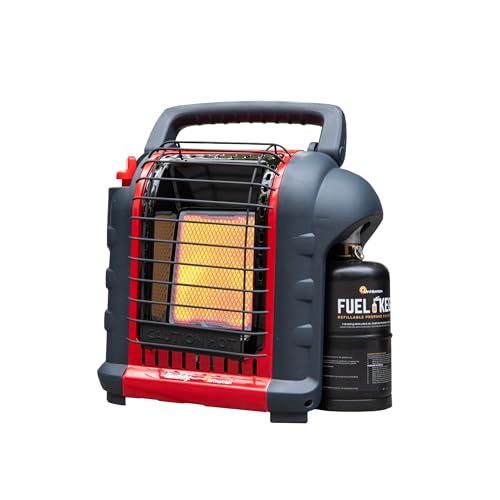
Say your garage is 24 by 24 feet and uninsulated, and you want to use a propane heater to warm it for a few hours each evening. You wonder if the heater will release carbon monoxide (CO) and how dangerous that might be indoors. Propane heaters do produce CO as a combustion byproduct, but the risk depends on the heater type, safety features, and ventilation.
Understanding these factors helps you choose the right heater and use it safely without risking CO poisoning.
Propane Heaters Produce Carbon Monoxide
Yes, propane heaters do give off carbon monoxide (CO). All propane combustion generates some CO, an odorless, colorless gas that can be deadly in high concentrations. Indoor-rated propane heaters have safety features to limit CO risk, but outdoor-only models produce unsafe CO levels indoors.
When propane burns, it reacts with oxygen to produce heat, carbon dioxide (CO2), and water vapor. If the combustion is incomplete—due to poor ventilation, low oxygen, or a malfunction—carbon monoxide forms instead of carbon dioxide. Every propane heater produces some CO, but the amount varies with the heater type and conditions.
Indoor-rated propane heaters include oxygen depletion sensors (ODS) that automatically shut off the unit if oxygen levels drop too low, preventing dangerous CO buildup. These heaters also often have automatic shut-off valves triggered by tip-over or flame failure. They carry safety certifications such as the UL label or CE mark, confirming they meet strict emissions and safety standards.
Outdoor propane heaters are built without oxygen depletion sensors or carbon monoxide alarms because they rely on open-air ventilation to keep combustion gases from accumulating. Running these heaters inside a closed space, like a garage, allows carbon monoxide to build up quickly to unsafe levels, sometimes within minutes.
Symptoms are unreliable early warnings and can mimic flu or exhaustion. That’s why installing and regularly testing a carbon monoxide detector near any propane heater indoors is essential. The detector alerts you before CO reaches dangerous levels.
Propane leaks are another risk, but they give off a rotten egg odor due to added odorants, helping you detect leaks before combustion. CO itself cannot be smelled.
All propane heaters produce some carbon monoxide, but only those rated for indoor use with built-in safety features and adequate ventilation maintain safe CO levels. Outdoor-only models lack these protections and should never be operated inside enclosed spaces due to the risk of dangerous carbon monoxide buildup.
Factors That Increase Carbon Monoxide Risk from Propane Heaters
Carbon monoxide risk rises sharply when propane heaters meant for outdoor use are operated indoors. Outdoor-rated heaters produce CO at rates that indoor spaces cannot safely disperse, leading to dangerous buildup within minutes.
Proper ventilation is crucial. Without enough fresh air, combustion gases including CO concentrate quickly. Even an indoor-rated heater can become hazardous in a sealed room.
Indoor propane heaters have safety features like oxygen depletion sensors (ODS) that shut the unit off if oxygen drops below safe levels. Heaters lacking ODS pose a higher risk because they won’t stop burning fuel when oxygen is scarce, increasing CO production.
Fuel leaks add to the hazard. Propane leaks produce a flammable, explosive atmosphere and increase CO risks if the gas ignites partially. Leaks usually come from hoses, connectors, or valves and can be detected by the distinctive rotten egg smell added to propane.
Maintenance affects safety. Blocked vents, clogged burners, or dirty pilot flames cause incomplete combustion, which produces more carbon monoxide. Regular cleaning and inspection reduce this risk.
| Condition | Effect on CO Risk |
|---|---|
| Using outdoor-rated heater indoors | Rapid CO buildup, unsafe concentrations |
| Poor ventilation | CO and combustion gases concentrate |
| No oxygen depletion sensor | Heater won’t shut off if oxygen is low |
| Fuel leaks | Fire hazard and increased CO exposure |
| Blocked vents or poor maintenance | Incomplete combustion and higher CO output |

How to use propane heaters indoors safely
Indoor propane heaters must be specifically designed and rated for indoor use to be safe. Look for models carrying an Underwriters Laboratories (UL) label and equipped with an oxygen depletion sensor (ODS). The ODS automatically shuts off the heater if oxygen levels drop too low, preventing dangerous carbon monoxide buildup.
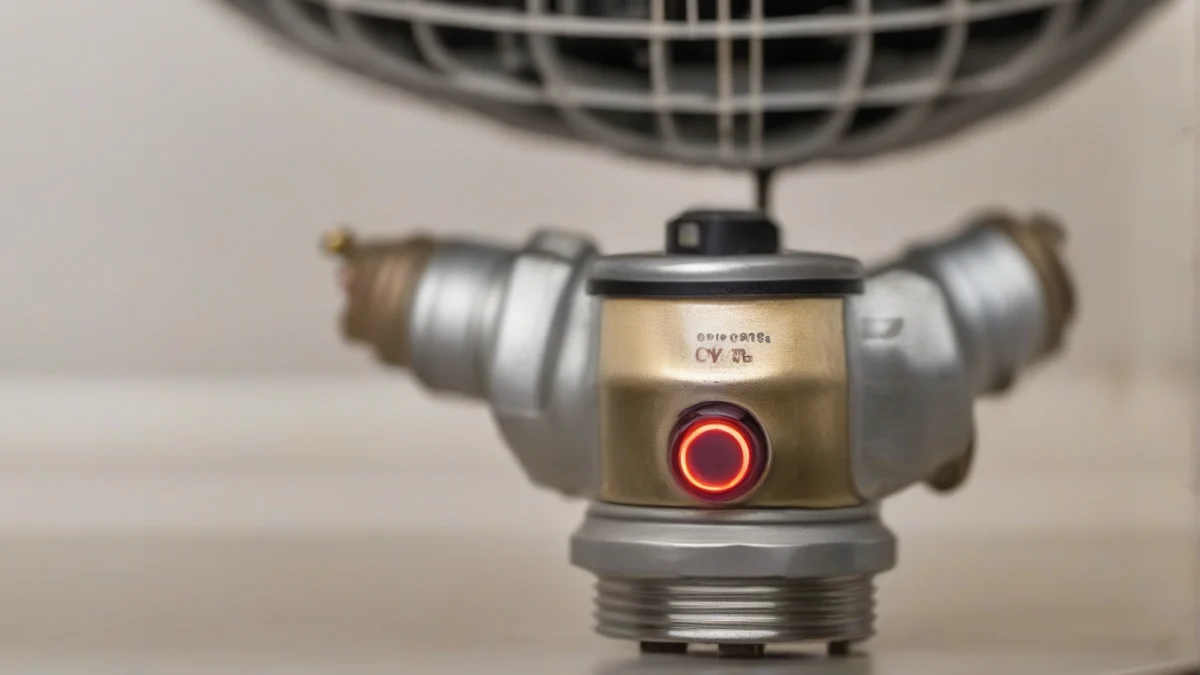
Always follow the manufacturer’s instructions for ventilation. Even indoor-rated heaters need fresh air to avoid incomplete combustion and excess carbon monoxide. Open a window or vent to ensure a steady supply of oxygen.
Carbon monoxide detectors are essential safety gear. Install them on every floor and near bedrooms, then test monthly. Don’t rely on symptoms like headache or dizziness as warnings — CO is odorless and can be deadly before symptoms appear.
Regularly check propane hoses and connections for leaks. Propane has a distinctive rotten egg smell added by manufacturers to help detect leaks before they reach dangerous levels. Replace cracked or brittle hoses immediately.
Vented propane heaters remove combustion gases through a flue or vent pipe outdoors. These models drastically reduce carbon monoxide buildup indoors but require installation and a vent path. They are the best choice if you plan to use propane heating often indoors.
How to maintain propane heaters to reduce carbon monoxide risk
Proper maintenance keeps your propane heater running safely and efficiently, reducing carbon monoxide risk. A heater that cycles on and off frequently may have combustion or ventilation issues needing attention.
Frequently Asked Questions
What safety features are essential in indoor propane heaters?
How often should carbon monoxide detectors be tested?
Can outdoor propane heaters be modified for indoor use?
What symptoms indicate carbon monoxide poisoning?

HeaterGuides covers home heating, water heating and HVAC: how the equipment works, what it costs to run, and how to use it safely.