

The difference between a hydronic boiler and electric heating lies in their energy sources: hydronic boilers use water heated by gas or oil to distribute warmth through radiators, while electric heating directly converts electricity into heat, often using electric coils or radiant panels for warmth.
Choosing between hydronic boilers and electric heating systems is a major decision for homeowners. Both options have unique advantages and drawbacks in terms of efficiency, comfort, installation costs, and long-term operation. This guide breaks down everything you need to know.

Chefman
Chefman Electric Kettle, 1.8L 1500W, Hot Water…
- Fast Boiling: Experience rapid boiling with this 1500W electric kettle. Get hot water in just 3 minutes, perfect for making tea, c…
- Safety Assured: Ensure safe and worry-free boiling with automatic shutoff and boil-dry protection in this hot water kettle electri…
- Cordless Convenience: Enjoy the freedom to serve anywhere with this cord-free electric water kettle. Leave the base plugged in for…
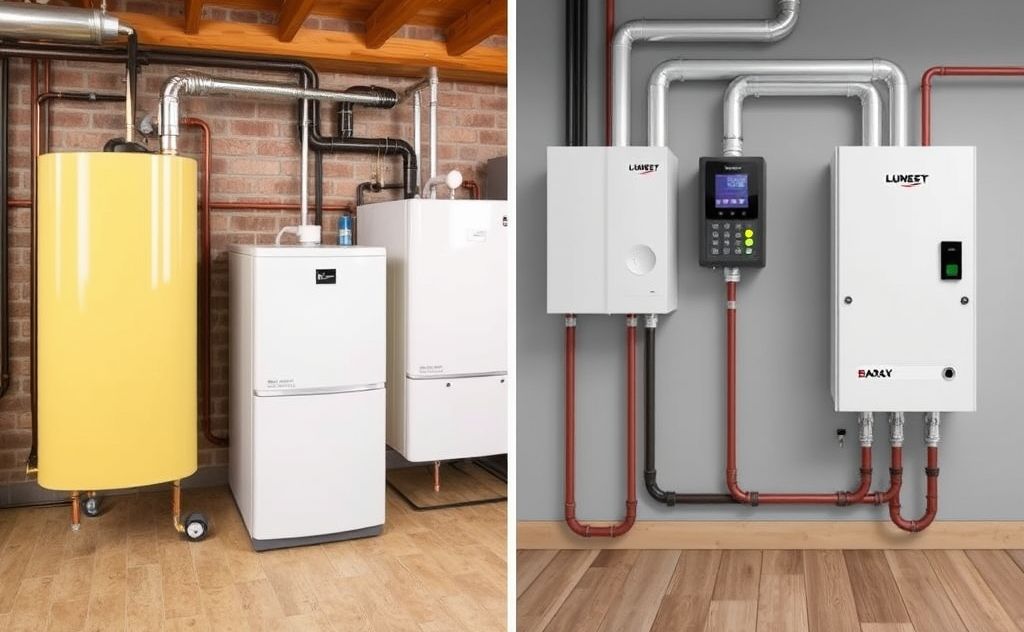
How Hydronic Boilers Work
Hydronic heating systems use water as a heat transfer medium. A boiler heats water that circulates through pipes to radiators, baseboards, or in-floor tubing. The warm water releases heat into rooms through radiation and convection.
Types of Hydronic Systems
- Radiator systems (traditional cast iron or modern panel radiators)
- Baseboard convectors
- Radiant floor heating with PEX tubing
- Combination systems with hot water baseboard heaters
Key Advantages
| Feature | Benefit |
|---|---|
| Radiant heat | Warms objects directly for more comfortable warmth |
| High efficiency | Up to 95% efficiency with modern condensing boilers |
| Quiet operation | No blowers or fans creating noise |
| Zoning capability | Different temperatures for different rooms |
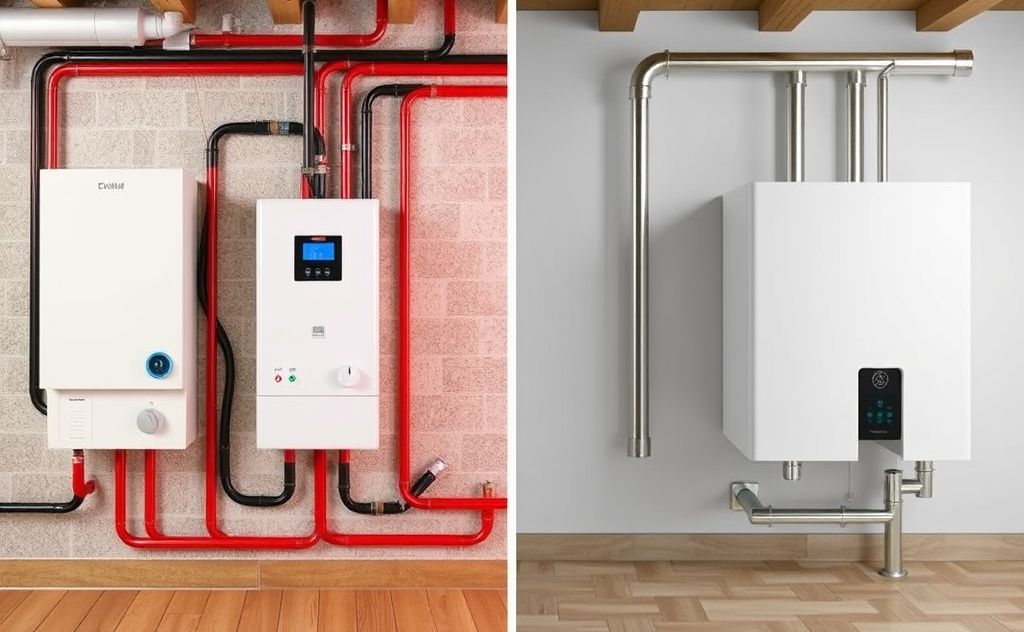
How Electric Heating Works
Electric heating converts electrical energy directly into heat through resistance elements. Common types include:
- Baseboard heaters
- Wall-mounted convection heaters
- Electric radiant floor systems
- Electric furnaces
Electric Heating Advantages
| Feature | Benefit |
|---|---|
| Simple installation | No pipes or fuel lines needed |
| Low upfront cost | Cheaper equipment than hydronic systems |
| Precise control | Individual thermostats for each unit |
| No combustion | No risk of carbon monoxide |
Key Differences Compared
Energy Efficiency
Hydronic boilers typically achieve 80-95% efficiency, while electric resistance heating has a COP (Coefficient of Performance) of 1.0. However, heat pumps can provide 2-4 units of heat per unit of electricity.
Operating Costs
Electric heating costs vary by region. In areas with expensive electricity like New England, hydronic systems using natural gas or propane are often cheaper to operate. According to EIA data, electric resistance heat averages 2-3 times more expensive than gas hydronic heat.
Comfort Comparison
Hydronic systems provide radiant heat that warms objects and surfaces, creating more even warmth. Electric systems primarily heat air, which can lead to temperature stratification and cold spots.
Installation Complexity
Hydronic systems require piping throughout the home and proper boiler sizing. Electric systems are simpler to install but may need electrical upgrades. For retrofits, electric electric fireplace inserts can be easier to add than hydronic radiators.
Which System Is Right For You?
Choose Hydronic If:
- You prioritize comfort and even heating
- Natural gas or propane is available
- You’re building new or doing major renovations
- You want whole-home heating
Choose Electric If:
- Electricity costs are low in your area
- You’re heating small spaces or additions
- You want simple installation
- You’re pairing with solar panels
Hybrid Approach
Many homeowners combine systems for optimal performance:
- Use hydronic for primary heating
- Add electric heat pumps for efficiency
- Install electric zone heating for rarely used rooms
- Consider ventless gas heaters as backup
Future Trends
New technologies are changing the heating landscape:
- Air-to-water heat pumps that work with hydronic systems
- Smart controls that optimize both electric and hydronic systems
- Improved electric thermal storage systems
- Low-temperature hydronic systems for better efficiency
Related pick: Check today's price on Amazon

I am a mechanical engineer and love doing research on different home and outdoor heating options. When I am not working, I love spending time with my family and friends. I also enjoy blogging about my findings and helping others to find the best heating options for their needs.
Related guides

Hydronic Boiler Costs: What to Expect in 2026
The cost of purchasing a hydronic boiler typically ranges from $3,000 to $7,000, depending on the size, brand,…

How to Size a Hydronic Boiler for Maximum Efficiency (Myth-Buster Guide)
Calculate heat loss and set boiler temps right to size your hydronic boiler for efficient, reliable heating.
Hydronic Boiler vs Heat Pump: Which is Best for Your Home?
A hydronic boiler heats water for radiators, while a heat pump transfers heat from air or ground, offering…
