

You’ve seen it in your own garden. A warm stretch in February coaxes out a few early bees, then a hard frost rolls in and they vanish. Or you’ve noticed fewer ladybugs in the fall after a week of seesawing highs and lows. These aren’t random observations—they’re symptoms of a deeper problem. Temperature swings, not just average warming, are quietly reshaping insect populations worldwide.
This article walks through the exact mechanisms that kill insects during thermal swings, from cellular damage to energy depletion. You’ll learn about the false spring trap, why microclimates matter more than you think, and what you can actually do in your backyard to help. This isn’t a doom loop. It’s a survival guide with specifics.

Generic
Insect Sting and Bite Relief, Rechargeable Bug…
- 【±2°F Ultra-Precise Heat Adjustment】Fitted with an instant-read LED screen, this unit supports customizable heat output ranging fr…
- 【2 Adjustable Heat Modes】 Adult Mode (38°C–55°C / 100.4°F–131°F, 6s heating) and Child Mode (36°C–45°C / 96.8°F–113°F, 3s heating)…
- 【Rechargeable for Anywhere Use】 Built‑in 600mAh rechargeable lithium battery reaches a full charge in 60 minutes and delivers up t…
If you’re dealing with the itchy aftermath of bites while observing this in the field, a rechargeable heat-based bite relief tool can take the edge off. The Insect Sting and Bite Relief device uses targeted warmth to calm the itch response, which beats scratching and breaking skin. It’s a practical companion for anyone spending more time outdoors studying these changes up close.
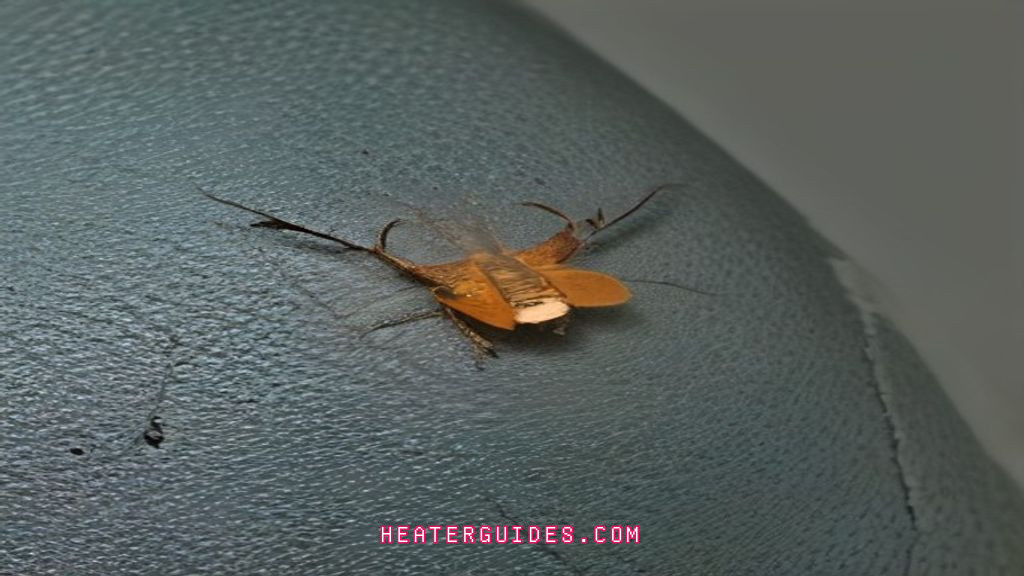
The Hidden Danger: Why Stability Matters More Than Heat

Most climate conversations focus on rising averages. For insects, the bigger killer is variability. A species can handle a hot summer or a cold winter, but it often cannot handle both in the same week.
Think of an insect’s body as a biochemical machine tuned to a specific temperature range. Each species has a thermal tolerance window—a range of body temperatures where its enzymes work efficiently. Move outside that window, even briefly, and critical reactions slow or stop. Move far outside it, and proteins start to unfold.
The problem with swings is that they force the insect to constantly adjust. An insect that warms up on a sunny afternoon, then gets hit by a cold front at night, has to reset its entire metabolic machinery twice in 24 hours. That’s exhausting and often lethal.
The Physiological Toll: What Happens Inside an Insect’s Body
The Freeze-Thaw Cycle and Cellular Damage
Freeze tolerance varies wildly among insects. Some, like the woolly bear caterpillar, survive being frozen solid by producing cryoprotectants—natural antifreeze compounds like glycerol that lower the freezing point of their cells. Others, like many beetles, are freeze-avoidant; they supercool their body fluids to prevent ice from forming.
But a rapid temperature swing breaks both strategies. When an insect freezes slowly, ice forms between cells, not inside them. When temperatures crash fast, ice crystals form inside cells, puncturing membranes. When thawing happens quickly, the damage worsens. The cell walls tear, and the insect bleeds out internally. This is chill injury, and it’s often fatal even if the insect thaws and appears to move again.
Protein denaturation is the second blow. Heat stress above a species’ critical maximum causes enzymes to lose their shape. Since enzymes drive every chemical reaction in the body, a denatured enzyme is like a stripped gear in a machine. The insect may survive the heat event itself, but it’s left with broken machinery it cannot repair.
Energy Burnout: The Cost of Rapid Metabolic Shifts
Insects are ectotherms. Their body temperature tracks the environment, and so does their metabolic rate. A rule of thumb: for every 10°C rise in temperature, an insect’s metabolism roughly doubles. That means a warm spell forces an insect to burn through its energy reserves at double speed.
Now pair that with a cold snap. The insect’s metabolism crashes, but its cells still need energy to maintain basic functions and repair cold damage. If the warm spell already depleted fat stores, the insect enters the cold period already starving. This energy burnout is a leading cause of mortality during late-winter and early-spring swings.
This is also why overwintering success depends on more than just low temperatures. An insect that enters diapause—a state of suspended development—with full fat reserves can weather a bad stretch. One that was forced to wake up early by a warm spell has already spent that fuel.
The ‘False Spring’ Phenomenon: A Seasonal Trap
False springs are the cruelest trick of climate volatility. A stretch of unseasonably warm weather in late winter prompts insects to break diapause and emerge. They mate, they feed, they lay eggs. Then a hard frost returns, and the entire cohort dies.
This isn’t hypothetical. Agricultural entomologists have documented false spring events causing near-total mortality in emerging pest populations—and equally devastating losses in beneficial insects. The problem is that emergence is triggered by accumulated heat units (degree days), not by calendar date. A single warm week can push a species past its emergence threshold, even if the following week drops to -10°C.
The result is a phenological mismatch. Insects emerge before their food plants leaf out, or before their predators arrive, or into a world that’s about to freeze. The insects that survive are the ones that happen to be in sheltered spots—which brings us to microclimates.
Microclimates: The Invisible Lifelines Insects Rely On
An insect’s body temperature isn’t the same as the air temperature. It’s the temperature of its immediate surroundings—the microclimate. A beetle under a rock on a sunny day can be 10°C warmer than the air above it. A caterpillar in leaf litter can stay unfrozen when the ground surface is solid ice.
Snow cover is one of the best insulators. A layer of snow traps ground heat and keeps the soil surface near 0°C, even when air temperatures plunge to -20°C. Insects that overwinter in the soil or leaf litter beneath snow get a stable, survivable environment. The problem is that temperature swings often melt snow early, exposing these insects to lethal cold without insulation.
Bark, rock crevices, and deep soil provide similar buffers. These refuges dampen temperature swings, keeping conditions closer to the average. But habitat loss removes these lifelines. A manicured lawn has no leaf litter, no standing dead plants, no rock piles. It’s a thermal desert where every temperature swing hits at full force. You can read more about temperature effects on materials to understand how even physical structures respond to thermal stress, but the principle for insects is the same—insulation is protection.
Beyond Pests: How Temperature Swings Hit Beneficial Insects
Most research on thermal stress focuses on crop pests, because that’s where the money is. But the same swings devastate beneficial insects—the ones that pollinate crops and eat pests. Ladybugs, parasitoid wasps, and ground beetles are all ectotherms with similar vulnerabilities.
Parasitoid wasps are particularly sensitive. They have narrow thermal tolerance windows because they must synchronize their life cycle with their host. A false spring that kills the host insect also kills the wasps that depend on it. Native bees, including bumblebees, suffer from energy burnout during warm spells because they fly and forage, expending energy that a dormant beetle doesn’t.
The consequence of losing these beneficial insects is a cascade. Fewer natural predators means more pest outbreaks. Fewer pollinators means less fruit set. A garden that survives a temperature swing with its pest population intact but its predator population wiped out will face a worse infestation the following season. That’s a hidden cost of thermal volatility.
Practical Steps to Build Thermal Resilience in Your Backyard
You can’t control the weather, but you can control the microclimates on your property. Here are concrete actions that give insects a fighting chance:
- Leave the leaf litter. Rake leaves into garden beds instead of bagging them. A 5-cm layer of leaves can buffer ground temperature swings by several degrees.
- Delay spring cleanup. Wait until daytime highs are consistently above 15°C before cutting back dead plant stems. Many insects overwinter inside hollow stems.
- Build rock piles. Rocks absorb heat during the day and release it at night, creating warm pockets that help insects survive cold snaps.
- Plant diversity. Dense, varied plantings create humidity and shade, buffering temperature extremes better than a single-species lawn.
- Keep snow on the ground. Avoid shoveling snow onto garden beds or clearing it from areas where you know insects overwinter.
- Provide water. Shallow dishes with pebbles give insects a place to drink without drowning, especially after a hot day.
These steps won’t save every insect, but they’ll increase survival rates measurably. A study from Iowa State University on fluctuating temperature survival effects found that even small differences in microhabitat can shift mortality rates by 20-30%. That’s the difference between a local population persisting or blinking out.
The Future of Insects in a More Volatile Climate
Climate models predict not just warming, but increased variability. More extreme heat waves, more sudden cold snaps, more false springs. For insects, this means more frequent exposure to temperatures outside their thermal tolerance windows.
Some species will adapt. Insects have short generation times, which allows for rapid evolutionary change. Heat-tolerant populations of Drosophila fruit flies have been bred in laboratories within a few dozen generations. But adaptation requires genetic variation, and small, fragmented populations have less of it.
Range shifts are already happening. Species are moving poleward and to higher elevations, tracking their preferred temperature zones. But they can only move as fast as their habitat allows. A butterfly that needs a specific host plant can’t shift range if that plant is stuck in a fragmented landscape. For a deeper look at how temperature regulation works in other contexts, check out this guide on adjusting heater temperature—the principle of buffering swings applies to climate control for insects too.
The bottom line is that the insects most at risk are not the ones that live in the hottest or coldest places. They’re the ones that live in places with the most unpredictable swings. The good news is that we can build resilience locally, one garden at a time.
What You Can Do Right Now
- Stop raking your lawn bare. Leave leaves and plant debris as insulation.
- Delay your spring garden cleanup by at least three weeks.
- Build a simple rock pile in a sunny corner—it’s a cheap, effective thermal refuge.
- Monitor your local weather for false spring warnings and avoid disturbing soil during those events.
- Support habitat corridors by planting native species that bloom across multiple seasons.
- If you get bitten while working in the garden, treat the itch with targeted heat from a bite relief tool instead of scratching—broken skin is an infection risk.
- Share this knowledge with neighbors. A block of insect-friendly yards is far more effective than one isolated garden.
Frequently Asked Questions
What temperature swing kills insects?
There’s no single lethal threshold. It depends on the species’ thermal tolerance window and how fast the temperature changes. A drop of 10°C within 12 hours is stressful for most insects. A drop of 20°C is lethal for many, especially if it happens after a warm period that raised their metabolic rate.
Can insects survive freezing?
Yes, but only if they’re adapted to it. Freeze-tolerant insects like woolly bear caterpillars survive ice forming in their body cavities. Freeze-avoidant insects like certain beetles supercool their fluids to prevent ice from forming. The killer is rapid freezing after a warm spell, which prevents these adaptations from kicking in.
Why do insects come out during a warm spell in winter?
They’re responding to accumulated heat units, not the calendar. Insects in diapause have a genetic threshold of degree days that triggers emergence. A warm spell can push them past that threshold, even if it’s January. This is the false spring trap—they emerge, and then a normal frost kills them.
Does climate change actually increase temperature swings?
Yes. Climate models and observational data show that the variance of temperature is increasing, not just the mean. This means more frequent and more extreme swings. The jet stream is becoming wavier, which causes cold air to dip further south and warm air to push further north, creating the seesaw patterns we see.
How can I tell if beneficial insects in my garden survived a swing?
Look for activity. Check under rocks and leaf litter two weeks after a cold snap. If you see live beetles, ants, or spiders, the microclimates did their job. If you find only dead insects or nothing at all, your garden’s refuges are insufficient. Adding more leaf litter and rock piles will help next time.

I am a mechanical engineer and love doing research on different home and outdoor heating options. When I am not working, I love spending time with my family and friends. I also enjoy blogging about my findings and helping others to find the best heating options for their needs.
