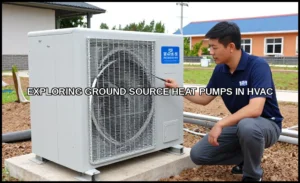
Converting electric heat to a heat pump means checking your load, choosing ducted or ductless equipment, and budgeting for electrical work, permits, and installation time. A straightforward swap can take a day or two; a full house conversion usually isn’t a DIY job because refrigerant, electrical, and code work are involved.
One number matters first: a heat pump has to fit the house, not just the rooms you heat now. If your current electric heat is 10 to 15 kW of resistance heat, the new system still has to cover the same load in cold weather, or the backup heat will do the expensive work.
The bill usually moves with three items: whether you already have ducts, whether the panel has room for the new circuit, and whether the installer has to add backup heat or new line sets. Those are the parts that turn a simple changeover into a real project.
What to remember
Check the house load before you price equipment. A heat pump that is too small will lean on strip heat and erase savings.
Ducted homes and ductless homes have different budgets. Existing ducts can save a lot of labor, but leaky ducts can also waste the new system’s output.
Expect electrical work to matter. Panel space, breaker size, and wiring often decide whether the job is simple or messy.
Permits are normal for HVAC and electrical changes. If refrigerant lines, panel work, or new circuits are involved, bring in a licensed pro.
The safest plan is to price the full job, not just the outdoor unit. Installation, controls, and any needed electrical upgrades are part of the conversion.
Costs To Convert Electric Heat To Heat Pump
Converting electric resistance heat to a heat pump runs $3,500 to $8,000 for a single-zone ductless system and $8,000 to $18,000 for a whole-house ducted system, depending on your home’s size, existing ductwork, electrical panel capacity, and whether you need permits or a service upgrade. The job includes the heat pump equipment, refrigerant lines, electrical work, labor, and any modifications to bring the system up to code.
This isn’t a simple appliance swap. A basic changeover is an HVAC job plus electrical work: the indoor and outdoor units need to be mounted, refrigerant lines run and charged, a new breaker installed, and the thermostat wired. If your panel is already near capacity or your home has no usable ducts, the scope grows quickly. Most conversions take one to three days for a licensed crew.
A ductless mini-split system—one outdoor unit feeding one to four indoor wall-mounted heads—suits homes with baseboard heaters or single-zone additions. Expect $3,500 to $6,000 for a single-head system rated at 12,000 BTU, and $6,000 to $10,000 for a multi-head setup covering three or four rooms. Ducted systems cost more because they tie into your existing ductwork or require new ducts, plus a larger outdoor compressor and an air handler. A 2-ton ducted heat pump for a 1,200 sq ft home runs $8,000 to $12,000 installed; a 4-ton system for 2,400 sq ft pushes $12,000 to $18,000.
Two common conversions
A 1,500 sq ft ranch with existing forced-air ducts and a 200-amp panel gets a 2.5-ton ducted heat pump, new breaker, thermostat, and startup. A 1,200 sq ft cape with electric baseboard heat and a 100-amp panel gets a three-head ductless system plus a panel upgrade to 200 amps.
Ranch, existing ductsTypical installed cost for a ducted 2.5-
Cape, no ducts, panel upgradeTypical installed cost for a three-head
The first quote should separate equipment cost, labor, electrical work, permit fees, and any backup heat element or auxiliary strip. Equipment alone runs $2,500 to $8,000 depending on brand, efficiency rating, and tonnage. Labor is typically $2,000 to $5,000 for the HVAC crew. Electrical work—new breaker, disconnect, and wiring—adds $500 to $1,500, more if the panel needs an upgrade. Permits run $100 to $500 depending on your city. If you’re in a cold climate and the heat pump needs electric resistance backup for temperatures below 20°F, budget another $300 to $800 for the strip and its wiring.
Line item
Typical range
Heat pump equipment
Varies widely based on system size and installation complexity
HVAC labor
Ranges depending on ductwork condition and home size
Electrical work
Costs depend on equipment brand and installer rates
Panel upgrade (if needed)
Depends on panel capacity and electrical work needed
Permit
Varies by permit jurisdiction and scope of work
Backup heat element
Typical range for thermostat and controls replacement
What goes into the total, so you can compare quotes directly.
A full-house conversion is not a DIY job. Refrigerant handling requires EPA 608 certification, the electrical work must meet NEC code and pass inspection, and most jurisdictions require a licensed contractor to pull the permit. You can help by clearing the install areas, running a dedicated circuit if you’re qualified, and painting the line-set cover after it’s mounted. The rest belongs to the pros.
Panel capacity matters
A heat pump pulls 15 to 50 amps depending on tonnage. If your panel is already near its rated capacity or still uses fuses, plan for an upgrade before the heat pump goes in. Installing the unit without sufficient amperage trips breakers or creates a fire risk.
What To Check Before You Price The Job
Your existing resistance heaters turn nearly all input electricity into heat—1,500 W in, 1,500 W of warmth out—but a heat pump moves heat from outside air into your house, delivering two to three times more heating per watt. Panel capacity, circuit space, and whether you already have ducts determine what the conversion will cost and how much work it takes.
Start by figuring out what you have. Look inside your electrical panel and count how many spare breaker slots you see, then check the main breaker rating—most homes have 100, 150, or 200 A service. A whole-house heat pump often needs a new 30 to 60 A, 240 V circuit; if you’re out of slots or close to your panel’s limit, budget for a panel upgrade. Write down the model numbers from any existing baseboards, wall heaters, or furnace equipment so an installer can see what they’re replacing.
What to gather before you call for quotes
Flashlight and tape measure
Photo of your electrical panel showing the main breaker and empty slots
One month’s utility bill with kWh usage
Model and serial numbers from existing heaters or air handler
Rough square footage of the space you want to heat
If you have forced-air ducts, measure a few supply registers and check whether the air handler cabinet will fit a new coil. Ductless conversions skip that step but need wall space for indoor heads and a clear outdoor spot for the condenser, within about 50 feet of each indoor unit. Partial replacements—swapping out resistance heat in one or two rooms—cost less than whole-house jobs because you’re adding a single-zone mini-split instead of reworking the entire heating system.
2.5 to 3×
Heat delivered per watt with a modern heat pump
Resistance heat is one-to-one; a heat pump’s efficiency means lower running costs even when the equipment price is higher.
Conversion type
What you need to check
Typical scope
Ducted
Existing duct size, air handler location, return-air path, panel capacity
Whole-house or zoned system; outdoor unit, indoor coil, thermostat, new circuit
Ductless
Wall or ceiling space for heads, outdoor pad or bracket, refrigerant line path
One to four indoor units; no duct work, but each head needs a line set and drain
Partial replacement
Which rooms you’ll heat with the pump, which stay on resistance
Single-zone mini-split or window unit; existing heaters remain as backup
Each path changes what an installer prices and how long the job takes.
Myth
Any electrician can size the new circuit from the heat pump’s nameplate amps.
Fact
Compressor starting current can be double the running load, and the National Electrical Code requires a disconnect and often a dedicated branch circuit sized to the unit’s maximum overcurrent protection, not just its running draw.
When You Need Permits Or A Licensed Pro
HVAC permits are commonly required when you install or replace a heat pump, and electrical permits come into play the moment you add a new 240 V circuit, upgrade a breaker, or touch the panel. Refrigerant handling belongs to a licensed HVAC technician in most places—Section 608 of the Clean Air Act regulates who can connect, charge, or recover refrigerant—so plan on a professional for anything beyond shopping and planning.
Work on 240 V circuits, disconnects, condensate drainage, and refrigerant line-set routing should be handled by a qualified installer unless local rules clearly allow otherwise. A mistake on a high-voltage circuit can trip breakers, damage equipment, or start a fire; improper refrigerant connections leak, cost hundreds to recharge, and void most warranties. If you’re converting from oil heat, the fuel tank decommissioning and burner removal may need separate permits and a licensed oil technician. Converting oil heat to electric adds another layer of fuel and environmental code, so check your municipality’s requirements before you schedule anything.
Refrigerant work is regulated
Only EPA-certified technicians can legally open a sealed refrigerant system. DIY line-set work voids warranties and can result in fines if refrigerant is vented.
Local code and utility rebate rules can change the permit path. Some utilities require an inspection before they’ll pay out efficiency rebates, and a few jurisdictions mandate load calculations or energy modeling for whole-house conversions. Call your building department or check the permit portal before you buy equipment; an unpermitted job can complicate home sales and insurance claims, and fixing it after the fact usually means opening walls to prove the work meets code.
Gas and oil conversions follow different rules
Switching a gas water heater to electric or converting an oil boiler to a heat pump often requires fuel-line capping, vent removal, and sometimes a separate plumbing or fuel-oil contractor license. Always confirm who pulls which permit.
From HeaterGuides · our own guideHeat pump or not? Page 6 is the decision guide; the Excel sheet works out the payback.Heating System Upgrade PlannerChoose between a heat pump, a furnace, a boiler or a hybrid with your own numbers, and hire the right installer.Every system compared side by side25 questions for contractors, red flagsRunning-cost, payback and quote calculator (Excel)$14.99$9.99Get it for $9.99See what's inside and watch the 2-minute video →16-page printable PDF + Excel calculator · instant download · 30-day refund
The Steps For A Clean Conversion
Converting electric resistance heat to a heat pump follows a set sequence. You replace baseboard heaters with ductless heads or swap an electric furnace for a ducted system. Each step depends on the previous one, and skipping critical steps like load calculation or permits can cause undersized equipment, failed inspections, or costly callbacks.
1
Load calculation and equipment sizing
An HVAC contractor measures each room, counts windows, checks insulation, and calculates the heating load in BTU per hour. That number determines the tonnage and head placement for ductless systems or the air handler size for ducted installs. Guessing based on square footage alone usually leaves you with a unit that short-cycles in mild weather or can’t keep up when it drops below 20°F.
2
Quote and equipment selection
Ask for a written bid that lists the outdoor unit model, indoor heads or air handler, line-set length, electrical work, permit fees, and labor. For homes with existing ducts, confirm whether transitions or trunk lines need rework. For baseboard or radiator replacements, compare ductless heads against a ducted mini-split or a hybrid approach that keeps one zone on resistance backup.
3
Permit and electrical prep
Pull the HVAC and electrical permits before any equipment arrives. Most heat pumps need a dedicated 240 V circuit; the electrician runs wire from the panel to a disconnect box near the outdoor unit and installs the breaker. Panel upgrades—adding a subpanel or replacing a full 100 A panel with a 200 A one—happen now, not halfway through the install.
4
Outdoor unit and indoor head installation
Installers mount the outdoor unit on a pad or brackets at least 12 inches above grade in snow country, then mount indoor heads or the air handler. Line sets carry refrigerant between them; the run should be as short and straight as code allows, with no kinks or unsupported spans. Condensate drains slope continuously to a floor drain, sump, or outdoor termination—never into a crawlspace puddle.
5
Startup and commissioning
After vacuuming the line set and releasing the refrigerant charge, the installer checks airflow at each head, programs the thermostat or wireless controller, and cycles the system through heating, defrost, and backup heat modes. Proper startup includes verifying that the outdoor coil defrosts within 10 minutes and that auxiliary heat strips engage only below the balance point you specified.
Converting from oil
Switching from an oil furnace or boiler to an electric heat pump follows the same HVAC steps, but you’ll also need the oil tank decommissioned or removed, the chimney capped, and the fuel line disconnected—work that often requires a separate licensed contractor and its own permit.
Mistakes that cause leaks and damage
Undersized equipment runs constantly and never catches up. Bad duct transitions create air leaks that drop efficiency by 20 percent or more. Skipped permits mean no inspection, and inspectors catch refrigerant leaks, missing disconnects, and code violations before they become insurance problems. Poor condensate drainage floods finished ceilings or rots subfloors. Sloppy line-set routing—sharp bends, missing hangers, or runs through unconditioned attics without insulation—reduces capacity and invites refrigerant loss.
What To Do Next
Start by sorting what you have now. Homes with existing ductwork and an electric furnace need a load calculation, photos of the electrical panel showing available breaker slots, and notes on duct condition—sagging flex, missing dampers, or uninsulated trunk lines all raise the bid. Collect those before you call anyone.
Baseboard or radiator systems won’t connect to a ducted heat pump without tearing into walls, so ask contractors about ductless mini-split heads in each zone or a hybrid plan that keeps one bathroom or hallway on resistance heat while the heat pump covers the rest. Assuming a straight swap wastes time and leads to bids that don’t match your house.
Panel capacity matters as much as the heat pump itself. A full or outdated 100 A panel can’t safely handle a new 240 V, 30 A heat pump circuit without an upgrade. Price the electrical work—subpanel, service upgrade, or both—at the same time you’re getting heat pump quotes, not after the HVAC contractor shows up and discovers there’s no room for the breaker.
Order of operations
Get a Manual J load calculation from an HVAC contractor or energy auditor
Confirm local permit requirements for HVAC and electrical work
Request at least two written bids that itemize equipment, labor, electrical upgrades, and permit fees
Schedule the electrical panel work first if an upgrade is needed
Book the heat pump install and plan for startup and commissioning on the same day or the next
Readers switching from oil heat will find equipment options, cost breakdowns, and fuel-savings calculations in converting oil heat to electric. Permit and panel prep remain the same, but oil decommissioning adds one more contractor to coordinate.
Questions People Ask
How much does it cost to convert electric heat to a heat pump?
A single-zone ductless heat pump runs $3,500 to $8,000 installed, while a whole-house ducted system typically lands between $8,000 and $18,000. The final number depends on how many zones you’re heating, whether you need duct work or electrical panel upgrades, and local labor rates. Permits, a new breaker, and a dedicated 240 V circuit add $500 to $1,500 to most jobs.
Can you convert electric baseboard heat to a heat pump?
Yes, and it’s one of the most straightforward conversions because you’re swapping one electric system for another—no fuel lines, no chimney work. Ductless mini-splits mount on the wall and cover the same zones your baseboards heated, though you’ll leave the old baseboards in place or remove them separately. The heat pump needs its own 240 V circuit, so budget for electrical work and a possible panel upgrade if you’re near capacity.
Do I need permits to convert to a heat pump?
Most jurisdictions require an HVAC permit for heat pump installation and an electrical permit when you add or modify a 240 V circuit. Refrigerant work must be done by an EPA-certified technician, and many places require a licensed electrician to pull the electrical permit. Check with your local building department before you start; skipping permits can void warranties and complicate a future sale.
Is a heat pump cheaper to run than electric resistance heat?
A heat pump moves two to four times as much heat per watt as resistance heat produces, so your heating bills drop by half to three-quarters in most climates. For example, a 1,500 W baseboard heater costs about $2.04 per night at $0.17 per kWh; a heat pump delivering the same warmth might draw 500 to 750 W and cost $0.51 to $0.77. The gap shrinks below about 25°F, when the heat pump works harder or switches to backup resistance coils.
Can I keep my existing ducts when I convert to a heat pump?
You can if the ducts are sized properly, sealed well, and insulated where they pass through unconditioned areas. Many older duct systems lose 20 to 30 percent of their airflow through leaks, undermining heat pump efficiency. An HVAC professional will check static pressure and inspect for leaks; sealing and insulation add upfront cost but usually pay off in lower energy bills.
Why does a heat pump conversion sometimes need electrical panel work?
A whole-house heat pump draws 30 to 60 amps at 240 V, and a mini-split head pulls 15 to 20 amps per zone—loads that require their own breakers and circuits. If your panel is full or already near its rated capacity, you’ll need a subpanel or a service upgrade to 200 amps, adding $1,500 to $3,000 to the job. The electrician sizes everything during the site visit, so you’ll know before the equipment ships.
Before you go · a welcome giftGet the Heating System Upgrade Planner for $4.99Choose between a heat pump, a furnace, a boiler or a hybrid with your own numbers, and hire the right installer. Normally $14.99; your welcome price saves $10.00. We'll email your link right now.or skip the email and buy it now for $4.99 →One email with your link now. We never share your address.

 Heating System Upgrade PlannerChoose between a heat pump, a furnace, a boiler or a hybrid with your own numbers, and hire the right installer.Every system compared side by side25 questions for contractors, red flagsRunning-cost, payback and quote calculator (Excel)