

Say your 12 by 14 ft bedroom keeps dropping to 63°F after the thermostat clicks off. A 1,500 W convector can take the edge off a room like that, but it still pulls about 12.5 A at 120 V, so the breaker and outlet matter.
The word contact gets used in search results in odd ways here. What readers usually want is the plain answer: what a convector heater is, how the air moves through it, and whether it makes sense beside a fan heater or an oil-filled radiator.
Convector Heaters Contact: What It Means
A convector heater warms the air around it, not your skin directly. It uses natural convection: cool air enters near the bottom, heats over a hot element or panel, then rises out the top, circulating warm air throughout the room.
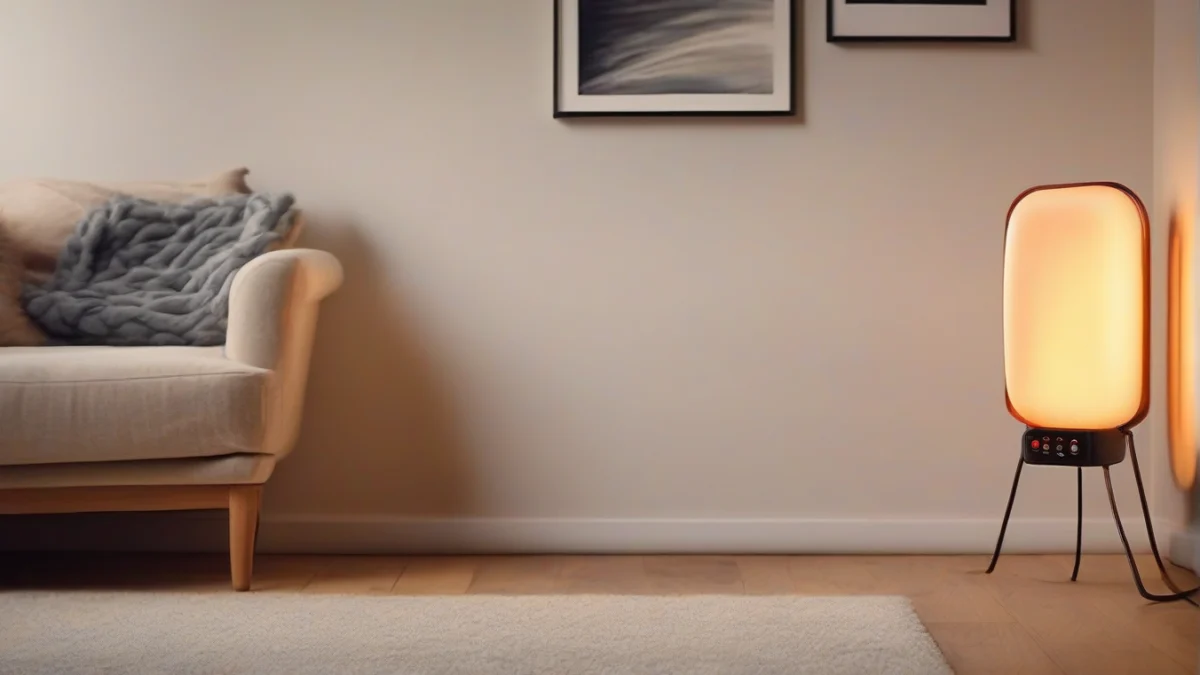
This cycle pushes colder air down to be heated again, creating steady background warmth with low noise. That’s why convector heaters suit bedrooms and offices where quiet, gentle heat matters.
| Heater type | Noise level | Warm-up speed | Best room fit |
|---|---|---|---|
| Convector heater | Very quiet | Moderate (minutes) | Small to medium closed rooms |
| Fan heater | Moderate to loud | Fast (seconds) | Bathrooms, spot heating |
| Oil-filled radiator | Very quiet | Slow (10-20 minutes) | Medium to large rooms |
Electric convector heaters usually draw 1,000 to 1,500 watts. At 120 volts, that means about 8.3 to 12.5 amps. If you run a 1,500 W heater for 8 hours, that’s 12 kWh. At 17 cents per kWh, expect around $2.04 for the night.
| Power | Current Draw (120 V supply) |
|---|---|
| 1,000 W | 8.3 A |
| 1,500 W | 12.5 A |
The term “convector heaters contact” can mislead. It doesn’t mean the heater warms you by direct contact or hot surfaces you touch. Instead, it describes how the heater transfers heat by moving air naturally—no fan noise, no direct radiant heat.
That’s how electric convector heaters work: the element heats the air around it, and the room’s air movement does the rest. The process is simple, effective, and easy to run without fuss.
Pick The Right Room Size Before You Buy
A 1,000 W convector heater typically suits a room between 100 and 160 square feet, but real conditions affect that range.
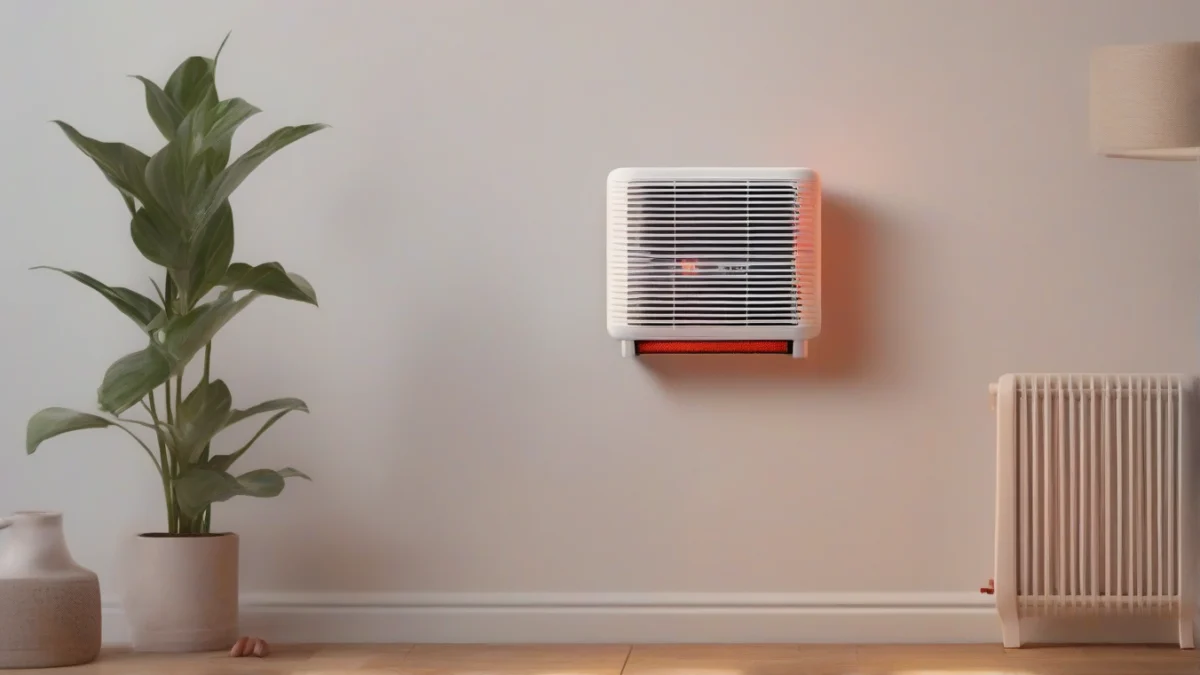
The heater warms air by convection alone, so drafts, high ceilings, or poor insulation can shrink the effective heating area. For steady background warmth in a closed room, convectors work well. Fan heaters warm up faster but use the same power; oil-filled radiators hold heat longer once off but respond more slowly.
Electric resistance heaters like convectors, fan heaters, and oil radiators all consume about the same electricity for the same heat output. The difference is in how they deliver heat, the noise they make, and how often their thermostat cycles on and off.
Say you have a 12 by 14-foot office (168 sq ft). A 1,000 W convector can handle this space if doors and windows are well sealed. If the room has drafts or an 8-foot ceiling, a fan heater might be better for quick warm-up bursts. An oil-filled radiator suits if you want slow, steady heat that lingers after shutoff.
Which heater is best depends on your use: panel convector heaters deliver even, quiet heat for bedrooms; fan heaters excel at rapid warming for short periods; oil-filled radiators save energy when you want heat to linger after turning off.
Convector heaters are good if you want quiet, steady heat and have a well-sealed room. They use electricity efficiently but don’t store heat like oil radiators. Fan heaters aren’t more efficient but feel warmer faster due to air movement. Oil-filled radiators use similar electricity but can feel more cost-effective if you run them intermittently.

Check Noise, Safety, And Installation
Convector heaters are mostly silent because they rely on natural air convection without a fan motor. You might hear a thermostat click when it cycles, but no constant whir or blow.
Freestanding models need a flat, stable floor spot clear of clutter. Wall-mounted convectors save floor space but require manufacturer-specified clearance around the unit to avoid overheating and maintain airflow.
Installing a 240 V wall convector heater is not a DIY project. The wiring must meet electrical code and local regulations, so hire a licensed electrician to handle the job safely.
Compare Convectors With Fan Heaters And Oil Radiators
Fan heaters feel faster than convectors because they push warm air with a fan, while convectors rely on natural air movement. That makes convectors quieter and their heat more even across the room.
Oil-filled radiators take longer to warm up but keep radiating heat after the thermostat shuts off, thanks to the heated oil inside. That differs from convectors, which cool quickly once power stops.
| Heater Type | Warm-Up Speed | Noise Level | Heat Retention | Best Room Type |
|---|---|---|---|---|
| Fan Heater | Fast, forced air | Moderate, fan noise | Stops quickly | Small, well-ventilated rooms |
| Convector Heater | Moderate, natural air | Very quiet | Stops quickly | Bedrooms, offices, insulated rooms |
| Oil-Filled Radiator | Slow, thermal mass | Silent | Continues after off | Medium to large rooms, open spaces |
Running cost depends on wattage and actual runtime, not the heater type. A 1,500 W heater uses 1.5 kWh per hour when on. Whether it’s a fan, convector, or oil radiator, the electric bill tracks those numbers.
Use A Convector Heater Without Wasting Power
Calculate running cost by multiplying watts ÷ 1,000 × hours × price per kWh. For example, a 1,000 W convector running 8 hours at 17 cents per kWh uses 8 kWh, costing about $1.36 per night.
A thermostat and timer reduce runtime by cycling the heater off when the room reaches the set temperature. That saves money because convectors perform best when the room is already partly warm.
More Questions, Answered
How does a convector heater work?
Which is more efficient: a fan heater or a convector heater?
What uses more electricity: an oil-filled radiator or a convector heater?
Do convector heaters make a noise?

I am a mechanical engineer and love doing research on different home and outdoor heating options. When I am not working, I love spending time with my family and friends. I also enjoy blogging about my findings and helping others to find the best heating options for their needs.
Related guides

Winter-Proof Your Mobile Pet Business with Smart Heating
Keep your furry clients cozy! This powerful diesel heater for dog trailers ensures warm, happy pups during winter…
Compact Heaters With Thermostat Control: 5 Precise Heating Options
Imagine cozy warmth, perfectly controlled. Your guide to choosing the best small space heater with thermostat for your…
How a Point of Use Water Heater Stops Water Wastage While Waiting
Say goodbye to water wastage! The Electrolux 2026 Mini Tank Water Heater delivers hot water instantly—saving you time…