

Configuring two hot water cylinders in parallel enhances hot water supply, ensuring balanced flow and improved efficiency for larger households or facilities.
Connecting two hot water cylinders in parallel is a common solution for homes with high hot water demand. This setup ensures balanced flow and consistent temperature while providing redundancy if one unit fails.
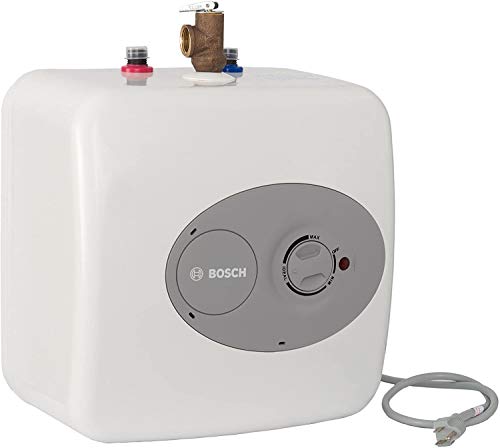
Bosch
BOSCH Electric Mini-Tank Water Heater Tronic 3000…
- CONVENIENT HOT WATER HEATER: 2.5 gallon point-of-use mini-tank fits under your sink to provide hot water right where you need it.…
- LONG LASTING QUALITY: This electric water heater is easy to maintain and has premium glass-lined material for a long service life.…
- INDEPENDENT INSTALLATION: 36-37" cord plugs into a 120 volt outlet for independent installation or in-line with a large hot water…

Parallel vs Series Water Heater Configuration
The debate between parallel and series connections depends on your specific needs:
| Configuration | Advantages | Disadvantages |
|---|---|---|
| Parallel |
|
|
| Series |
|
|
When to Choose Parallel Configuration
Parallel works best when:
- You have simultaneous high-demand fixtures
- Space allows for proper piping
- You want system redundancy
- Consistent temperature is critical
Proper Parallel Installation Techniques
Piping Layout Requirements
For balanced flow in parallel systems:
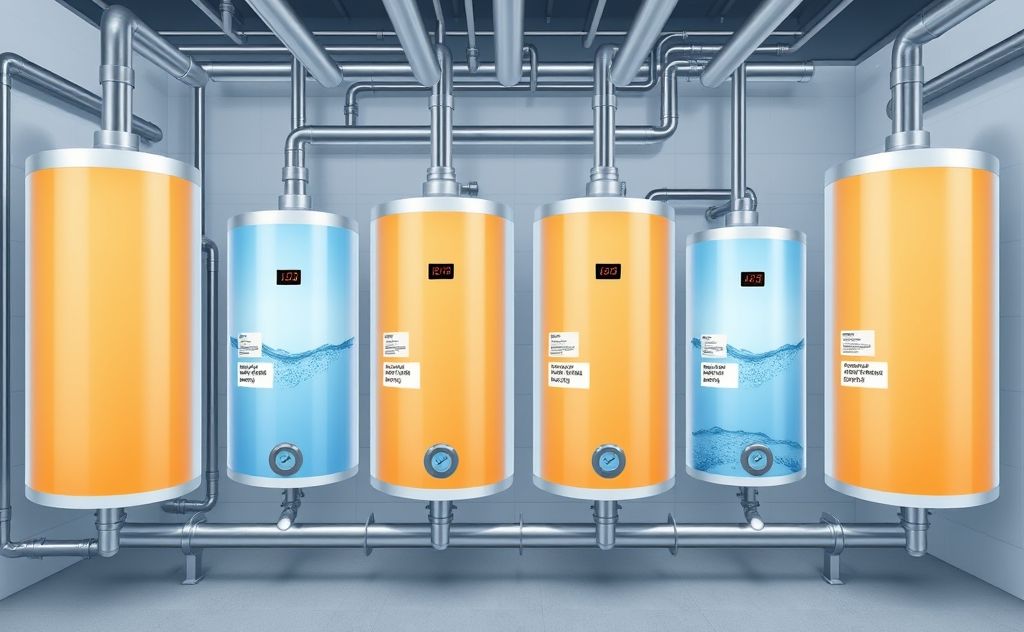
- Use equal pipe lengths to both heaters
- Maintain identical pipe diameters
- Install mid-point connections for cold/hot lines
- Consider reverse return piping (first in, last out)
As noted in HVAC ducting best practices, proper flow balancing is crucial for system efficiency.
Temperature and Safety Considerations
Maintain proper temperatures to prevent bacteria growth:
- Minimum 140°F (60°C) in tanks
- Use mixing valves for safe delivery temperatures
- Consider smart thermostats for precise control
Common Parallel Installation Mistakes
Flow Imbalance Issues
Improperly balanced systems may cause:
- Uneven wear on heaters
- Temperature fluctuations
- Reduced efficiency
Missing Components
Often overlooked items:
- Expansion tanks (required on closed systems)
- Isolation valves for maintenance
- Proper insulation on pipes
Advanced Parallel System Tips
Energy Saving Strategies
Optimize parallel systems with:
- Staggered heating cycles
- Time-of-use controls
- Thermal traps on piping
For more on efficient heating, see heat pump systems that can complement water heaters.
Maintenance Best Practices
Keep parallel systems running smoothly:
- Flush tanks annually
- Check anode rods regularly
- Monitor for leaks at connections
- Balance flow if usage patterns change
Troubleshooting Parallel Systems
Identifying Flow Problems
Signs of imbalance include:
- One heater cycles more frequently
- Temperature variations at fixtures
- Uneven sediment buildup
Corrective Actions
Solutions for common issues:
- Adjust isolation valves to balance flow
- Check for pipe obstructions
- Verify thermostat settings match
- Inspect for crossed connections
For complex issues, consult the InspectAPedia hot water guide or a professional plumber.
Related pick: Check today's price on Amazon

I am a mechanical engineer and love doing research on different home and outdoor heating options. When I am not working, I love spending time with my family and friends. I also enjoy blogging about my findings and helping others to find the best heating options for their needs.
Related guides

Thermal Fuse in Water Heaters: Your Safety Guardian
You smell a faint burnt odor near the utility closet. The water heater's burner is roaring, but the…

Reems Water Heater: A Surprising Update 2 Years Later
Revitalize your home with Reem's water heater replacement service. Discover lasting solutions for leaks and enjoy peace of…
Reliance Water Heater Flashing Red Light? Fix It Fast
A flashing red light on a Reliance water heater typically indicates a fault or malfunction; check the manual…
