What Is a Condensing Water Heater? Energy and Cost Explained
On this page 8 sections
- Condensing Water Heaters Explained
- Installation and Venting Differences for Condensing Units
- Running Costs, Savings, and Maintenance for Condensing Units
- How to Size a Condensing Water Heater for Your Household Needs
- Key Checks Before Buying or Installing a Condensing Water Heater
- Installing a Condensing Tankless Water Heater
- Condensing Vs Non-Condensing Water Heaters
- Questions People Ask
Condensing water heaters stand out for their energy-saving design, capturing heat that traditional water heaters lose through hot exhaust. They use a secondary heat exchanger to cool exhaust gases enough to condense water vapor, reclaiming latent heat.
This article explains how condensing water heaters work, what that means for your energy bills and comfort, and the practical aspects of installation, maintenance, and sizing to help you decide if one fits your home.
Condensing Water Heaters Explained
A condensing water heater is a gas-fired model designed to capture heat from exhaust gases that would normally escape, making it much more efficient than traditional gas water heaters.
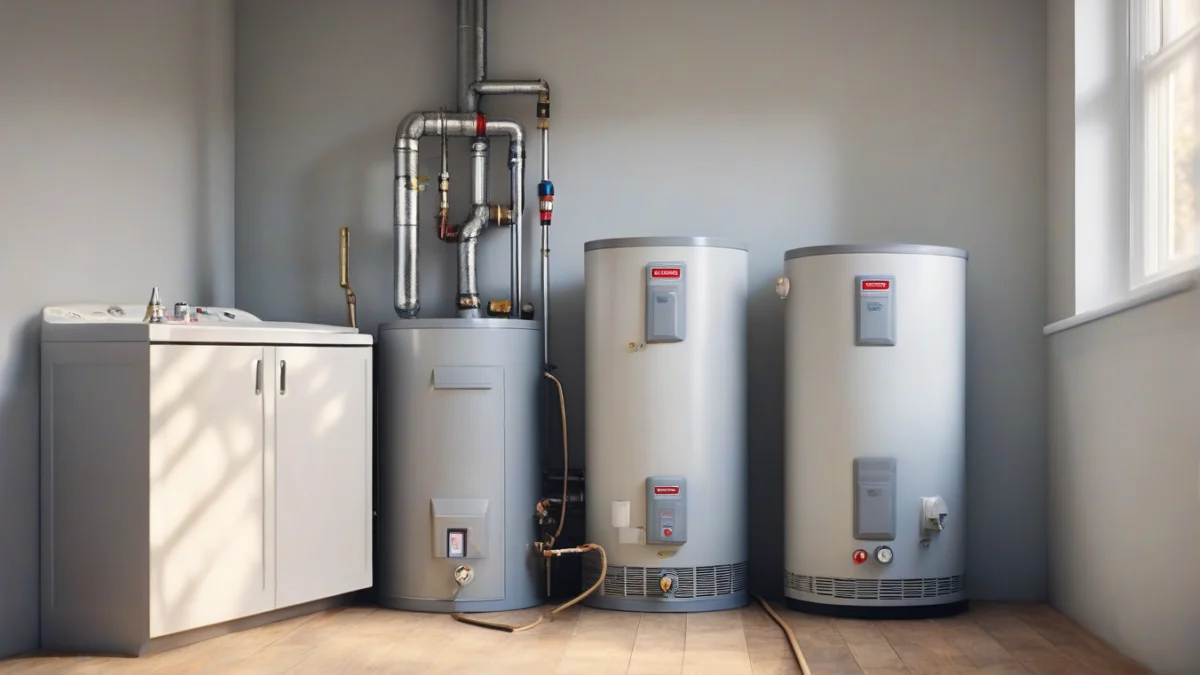
The key to its efficiency is the secondary heat exchanger, which captures heat from the exhaust’s water vapor — something standard water heaters waste by venting hot gases directly. This process cools the exhaust enough that water vapor condenses into liquid, releasing latent heat that the heater recycles into warming your water.
Condensing water heaters have a primary heat exchanger where gas combustion heats the water, followed by the secondary exchanger that recovers residual heat from the exhaust. Typical thermal efficiencies range from 90% to 98%, with Uniform Energy Factor (UEF) values usually above 0.82 for tank models and up to 0.96 for condensing tankless units.
| Type | Thermal Efficiency | UEF Range |
|---|---|---|
| Non-Condensing | 75% to 85% | 0.60 to 0.80 |
| Condensing | 90% to 98% | 0.82 to 0.96 |
Non-condensing water heaters lose much of their heat up the flue as hot exhaust gases, which can exceed 300°F. Condensing models lower exhaust temperature to around 100°F, enabling the use of plastic venting and reducing heat loss.
Installation and Venting Differences for Condensing Units

Installing a condensing water heater involves special venting and drainage to handle its cooler, moisture-rich exhaust. Unlike non-condensing models that use metal Category III venting for hot gases, condensing units require PVC, CPVC, or polypropylene vent pipes rated for corrosive condensate and lower temperatures.
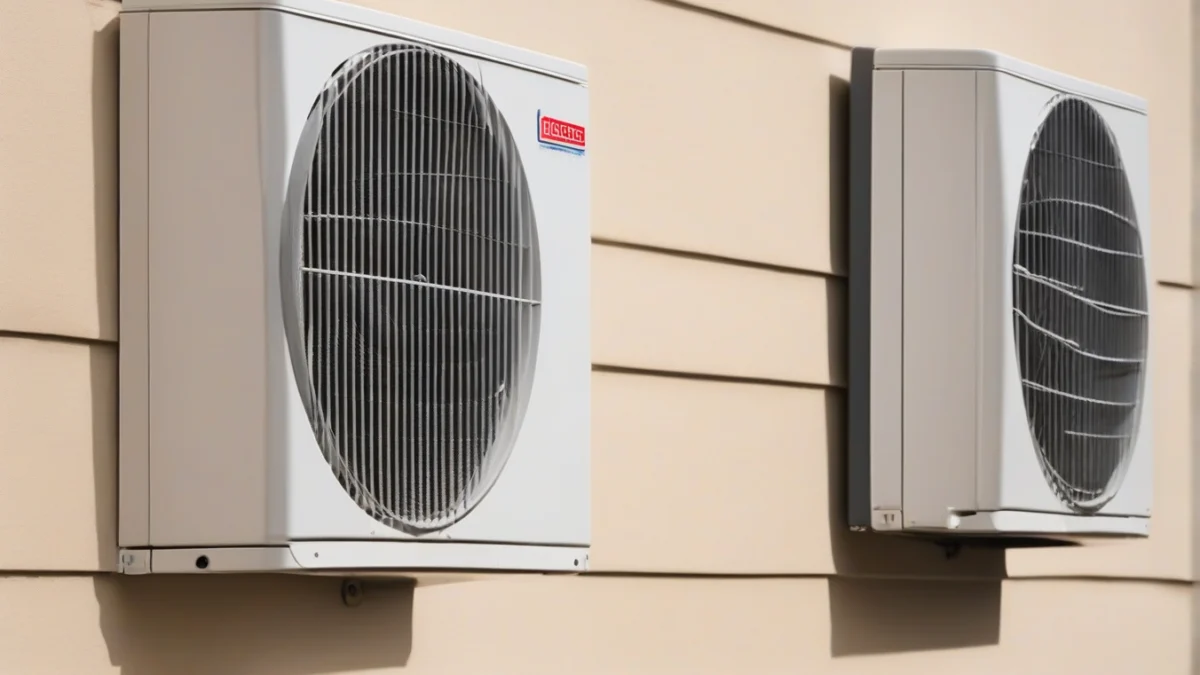
Unlike non-condensing water heaters that require metal Category III venting to handle hot exhaust, condensing models can use PVC, CPVC, or polypropylene venting because their exhaust gases are cooler after passing through the secondary heat exchanger.
Condensing water heaters can be installed where traditional gas water heaters go, including utility rooms and basements, but their venting materials and drainage needs must be accommodated. Outdoor installation is possible for some models but still requires proper venting and drainage.
If you’re replacing a non-condensing heater with a condensing model, expect changes in venting material and condensate management. That usually means more work and cost during installation, but it’s essential for the unit’s long-term performance and efficiency.
For a detailed look at installation time and complexity, see our guide on installing condensing tankless water heater.
Running Costs, Savings, and Maintenance for Condensing Units
Condensing water heaters typically save 10-15% on fuel costs compared to non-condensing models due to higher thermal efficiency, often 90% or more versus around 80% for standard units.
For example, if your home uses a gas water heater consuming 500 therms per year, switching to a condensing model could save 50 to 75 therms. At a typical gas price of $1.50 per therm, that’s $75 to $112.50 saved annually.
Condensing water heaters can lower your energy bills by recovering heat that would otherwise be lost. For example, a unit with a UEF of 0.90 uses 10% less fuel than one with 0.80. However, they may need more frequent maintenance, such as checking the condensate drain and replacing igniters, which often have limited warranty coverage.
Maintenance differs from non-condensing units because the condensate drain must be kept clear and functional to avoid water damage or corrosion. Some manufacturers recommend a condensate neutralizer to treat acidic water, but it’s not always mandatory.
Parts like electronic igniters may need replacement more often, sometimes outside the warranty period, especially on certain models. Warranties vary widely, typically 6 to 10 years for the tank and heat exchangers, but shorter on electrical components.
 Water Heater Owner's ToolkitFix the common faults yourself, keep it running for years, and know when a repair is money wasted.No-hot-water flowcharts, gas and electricFlush, anode, relief valve and descaling stepsRepair-or-replace calculator (Excel)
How to Size a Condensing Water Heater for Your Household Needs
Sizing a condensing water heater depends on your household’s peak hot water demand, measured by first-hour rating (FHR). For instance, a family of four typically needs a unit with at least a 60-gallon tank and an FHR around 70 gallons to avoid running out during busy mornings.
The FHR estimates the gallons of hot water the heater can deliver in the first hour of use. Recovery rate measures how quickly the heater replenishes hot water after use. Both factors must match your household’s simultaneous water needs.
Say your household has four people and typically uses two showers at once plus a dishwasher running. A heater with at least a 70-gallon first-hour rating and a recovery rate of 40 gallons per hour fits this demand.
Modulating burners in condensing units adjust flame intensity to meet demand, improving comfort and efficiency by avoiding temperature swings and reducing fuel use during low-demand periods.
Replacing a non-condensing water heater with a condensing model usually works if the venting and condensate drainage needs are met. Plumbing connections are typically compatible, but check your system’s recovery rate requirements.
Homes with multiple simultaneous hot water demands benefit from condensing units with higher FHR and recovery rates or from combining with an indirect hot water tank supplied by a condensing boiler for steady, abundant supply.
Key Checks Before Buying or Installing a Condensing Water Heater
Before buying or installing a condensing water heater, confirm that your home’s venting and drainage systems can handle the cooler, moisture-rich exhaust. Also, check warranty details carefully, since some parts like igniters may only be covered for a short time.
Condensing water heaters need venting materials like PVC, CPVC, or polypropylene because their exhaust gases are cooler and wetter than those from non-condensing units, which require metal CAT.III vents.
Installing a Condensing Tankless Water Heater
Installing a condensing tankless water heater requires correctly sized gas and water connections, a listed vent, a condensate drain, electrical power, and permits where local code requires them.
The vent usually uses corrosion-resistant plastic or another material approved by the manufacturer because the exhaust is cooler and produces acidic condensate. The drain must discharge safely, sometimes through a neutralizer, and cannot simply empty where it can damage floors or foundations.
A technician also checks gas capacity, water flow, combustion air, and the termination locations for the intake and exhaust. Gas connections and venting are poor places for improvisation, so use a licensed plumber or qualified gas technician for the installation and have the work inspected when required.
Condensing Vs Non-Condensing Water Heaters
A condensing water heater reuses heat from its exhaust, while a non-condensing water heater sends hotter exhaust outdoors and loses more of that heat.
| Feature | Condensing | Non-condensing |
|---|---|---|
| Exhaust | Cooler, moisture-rich | Hotter, usually dry |
| Efficiency | Typically 90% or more | Around 80% for standard gas models |
| Venting | Corrosion-resistant venting and condensate drainage | High-temperature venting; usually no condensate drain |
| Best fit | Higher fuel savings where drainage and venting are practical | Simpler replacement when existing venting already suits it |
Condensing is usually the better fuel-saving choice when you are replacing the whole system and can provide the drain and approved vent. A non-condensing unit can make more sense as a simpler replacement, but its vent must remain suitable for the hotter exhaust.