
When the temperature drops, a gas space heater can be a powerful ally. But your first big decision isn’t about brand or styleit’s about mobility. Do you need a portable unit you can move from room to room, or a fixed model permanently installed to heat a specific area? This choice impacts everything from your budget to your daily comfort.
This gas heater comparison will break down the key differences. We’ll look at portability versus permanence, efficiency, and critical safety. For instance, if you’re considering a permanent installation for a workshop, a model like the ProCom Heating Natural wall-mounted heater is a popular choice for its clean, out-of-the-way design. Let’s get into the details.
Defining Portable vs. Fixed Gas Heaters
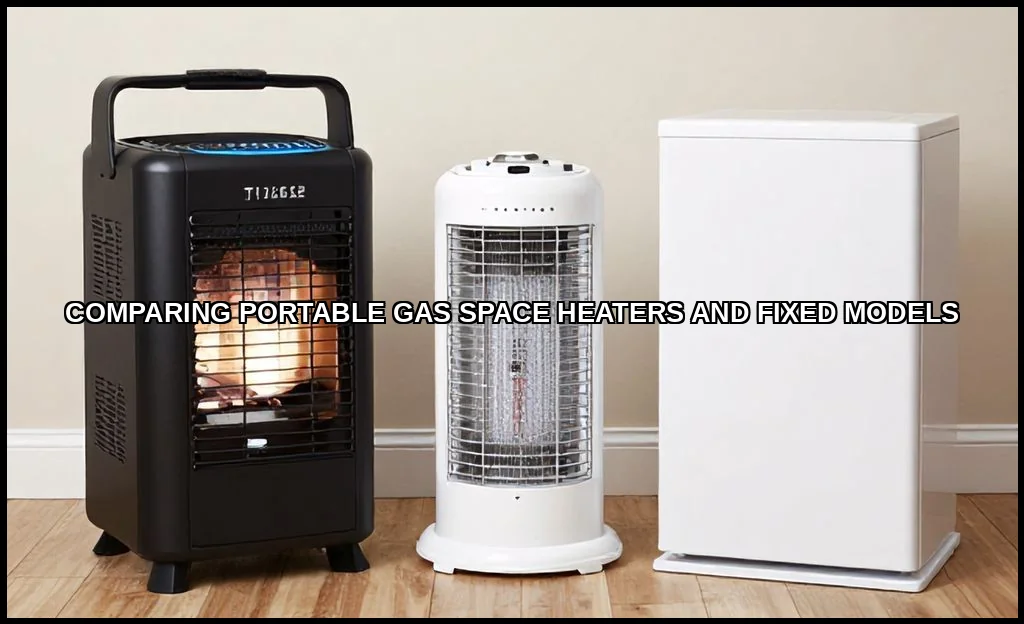
Portable gas heaters are the nomads of home heating. They’re self-contained units, often on wheels or carrying handles, designed to be moved where heat is needed. Think of quickly warming a chilly bathroom before a shower or taking supplemental heat to a sunroom. They’re typically fueled by disposable propane cylinders or connected to a larger propane tank.
Fixed or stationary gas heaters are just thatpermanent fixtures. This category includes wall-mounted heaters, ceiling-mounted units, and floor-standing models that are hardwired into your home’s natural gas line or a dedicated propane supply. They’re a set-and-forget solution, often intended as a primary heat source for a room like a garage, basement, or addition.
Key Comparison Factors: A Side-by-Side Breakdown
Choosing between a moveable heater and a permanent installation means weighing several practical factors. Heres where the rubber meets the road.
Portability vs. Permanence
This is the most obvious difference. A portable heater offers flexibility. You buy one unit to serve multiple spaces as needed. A fixed heater is a dedicated solution. Once installed, it heats that space and only that space. The trade-off is between versatility and a tailored, integrated look.
Heating Capacity & Efficiency
Heating power is measured in BTU (British Thermal Unit) output. Both portable and fixed models cover a wide range. A small portable might offer 10,000 BTUs, while a large fixed garage heater can blast 50,000 BTUs or more.
Efficiency is closely tied to ventilation. Vented models (like Direct Vent heaters) exhaust combustion gases outside, losing some heat in the process but ensuring superior air quality. Unvented or Vent-Free heaters are 99.9% efficient, as all heat stays indoors, but they introduce moisture and require strict safety monitoring. This is a core consideration in the vented vs unvented debate.
Installation & Ventilation Requirements
- Portable Heaters: Often require no installation. For vent-free models, you simply ensure the room has adequate airflow. Vented portable models exist but are less common and require a temporary window or wall vent kit.
- Fixed Heaters: Require professional installation. This involves securing the unit, running a gas line (for natural gas or propane), and, for vented models, installing flue pipes. The cost to install a fixed wall gas heater includes labor and materials, a significant upfront investment.
Safety Features & Considerations
All gas heaters must have key safety features. An automatic shut-off if tipped over is standard. The most critical for vent-free models is the Oxygen Depletion Sensor (ODS). This pilot safety system shuts off the heater if oxygen levels in the room drop to an unsafe level.
So, are portable gas heaters safe for indoor use? The answer is yes, but with major caveats. They must be listed by a recognized testing laboratory and used exactly as the manual instructsnever in a tightly sealed room, and always with the provided safety features active. For comprehensive safety guidelines, consult the NFPA’s official source on heating safety.
Cost Analysis: Initial & Operational
| Cost Factor | Portable Gas Heater | Fixed Gas Heater |
|---|---|---|
| Initial Purchase | Generally lower ($100 – $400) | Higher ($300 – $1000+ for unit) |
| Installation | Usually $0 (DIY) | Can be $500 – $1500+ (professional) |
| Fuel Cost | Often propane (can be costlier per BTU) | Often natural gas (cheaper, stable) or bulk propane |
| Operational Efficiency | High for vent-free; heat loss with portability | Consistent; vented models lose some heat, unvented are max efficiency |
Pros and Cons: When to Choose Each Type
Portable Gas Heaters: The Flexible Supplement
Pros: Ultimate flexibility, no installation cost, immediate use, ideal for supplemental or emergency heat, great for seasonal spaces.
Cons: Can be less stable, fuel (propane cylinders) is more expensive per BTU, requires manual operation and refueling, safety vigilance is entirely on the user. If you encounter issues, knowing how to troubleshoot common problems is invaluable.
Choose a portable if: You need heat in different rooms, want a backup heat source, are renting, or have a temporary heating need.
Fixed Gas Heaters: The Permanent Primary Solution
Pros: Permanent, stable heat source, often more powerful, integrated look, can be tied to a cheaper fuel line (natural gas), often includes advanced thermostat control for steady temperatures.
Cons: High upfront cost with installation, permanent modification to your space, lack of mobility.
Choose a fixed model if: You are heating a specific room like a garage or workshop daily, want a primary heat source for an addition, prefer a “built-in” appliance look, and have access to natural gas.
Safety Deep Dive: Critical Installation & Usage Guidelines
Gas heaters involve combustion. Respect that process. Always follow the manufacturer’s instructions to the letter. Here are non-negotiable rules.
For All Gas Heaters
- Ensure the unit is listed by UL, CSA, or another nationally recognized tester.
- Maintain clearances. Keep all combustibles (curtains, furniture, paper) at least 3 feet away from the front, sides, and rear.
- Never leave a operating heater unattended for long periods or while sleeping.
- Install and maintain smoke and carbon monoxide detectors in the area.
For Vent-Free (Unvented) Heaters
- You must provide adequate ventilation. Crack a window or door in the room to allow for fresh air exchange.
- Understand the propane vs natural gas difference for your model. Never use the wrong fuel type. Conversion kits must be installed by a professional.
- That Oxygen Depletion Sensor (ODS) is your lifeline. Test it regularly as per the manual.
For Fixed, Vented Installations
Professional installation is not a suggestion. It’s mandatory. A certified technician will ensure the gas line is leak-free, the venting is properly sized and installed to prevent back-drafting, and the unit is securely mounted. This is especially critical for a garage heater where fumes from cars or stored chemicals could be present.
Final Recommendations: Matching the Heater to Your Needs
Let’s solve some specific scenarios. This is where your choice becomes clear.
“I need the best portable gas heater for a large room.” Focus on high BTU output (look for 20,000-30,000 BTU models), a built-in fan to circulate heat, and a design that allows connection to a larger external propane tank to avoid constant cylinder swaps. Stability is key for larger units.
“Can you use a portable heater in a garage permanently?” Technically, yes. Practically, it’s not ideal. A portable lacks the robust mounting and permanent venting of a dedicated garage heater. For daily, long-term use, a fixed, properly vented unit is safer, more powerful, and more convenient. For occasional weekend projects, a high-BTU portable can work if you follow all safety rules.
For whole-room, daily primary heat: A fixed heater is almost always the better investment. The convenience of thermostat control and cheaper natural gas or bulk propane will pay off over time.
For supplemental, occasional, or multi-room heat: A quality portable heater wins. It’s a versatile tool. You can find reliable options among the best space heaters available at major retailers.
Your decision hinges on permanence versus flexibility. Weigh the upfront cost of a fixed system against the long-term convenience it provides. Balance the low entry price of a portable with the ongoing fuel cost and manual effort. Whichever you choose, prioritize models with robust safety features and never cut corners on installation or ventilation. The right heater isn’t just about warmthit’s about safe, reliable comfort for seasons to come.
