

You set the thermostat to 72°F, yet the living room feels like a sauna while the bedroom stays cold. Or maybe the furnace kicks on every five minutes, making that grinding noise you’ve learned to ignore. Most homeowners live with these quirks for months before calling for help. The truth is, most temperature control problems follow a pattern, and you can figure out the root cause faster than you think.
This guide walks through the seven most common HVAC temperature control issues in a logical order—starting with the cheapest fixes and moving toward the expensive ones. You’ll learn exactly what to check first, what each symptom means, and whether you should grab a screwdriver or pick up the phone. By the end, you’ll know how to talk to a technician with confidence and avoid paying for unnecessary repairs.

Suuwer
Suuwer Non-Programmable Thermostats for Home 1 Heat/1…
- 【Notice】Please make sure to read the installation and wiring instructions provided in the pictures carefully before buying. If you…
- 【Thermostat Applications】for with Conventional Single-Stage Heating (Gas/Oil/Electric Furnace) & Ventilation & Air Conditioning, u…
- 【Incompatible Systems】Does not work multistage systems (1H/2C, 2H/2C), HVAC heat pump systems (2H/1C, 4H/2C), PTACs, 3-wire hydron…
If your thermostat is old, unresponsive, or just hard to read, a simple replacement can solve half your problems. The Suuwer Non-Programmable Thermostat handles conventional single-stage systems (1 heat, 1 cool) and runs on either 24VAC power or two AAA batteries, so you don’t need a common wire. It’s a solid, no-frills option for homes with basic gas, oil, or electric furnaces—especially if you want a large, backlit display you can read from across the room.
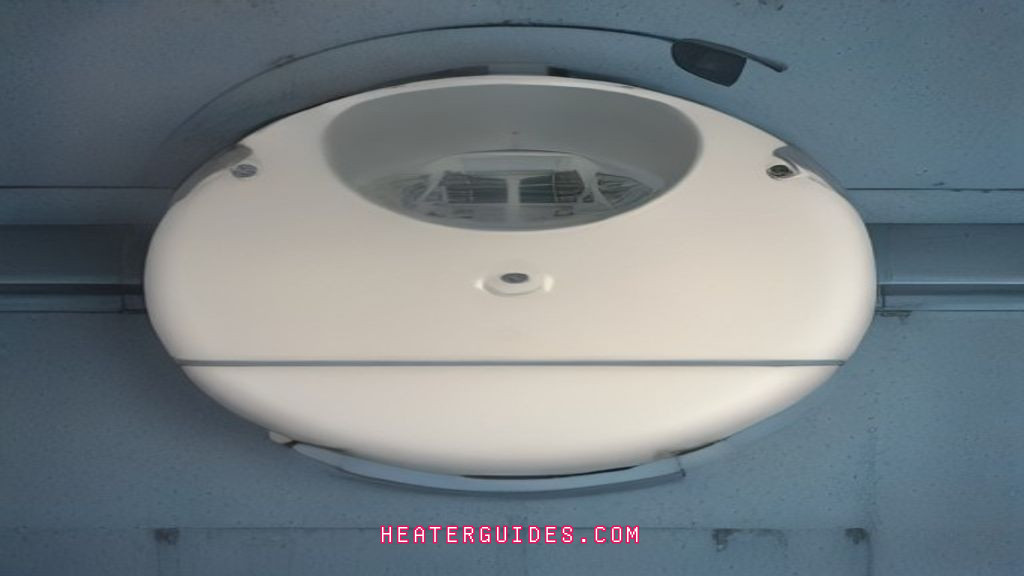
1. Thermostat Miscalibration and Placement Issues
The thermostat is the brain of your system, but it’s also the most common source of temperature complaints. A thermostat that reads 70°F when the room is actually 75°F will run the AC too long or not long enough. This isn’t always a hardware failure—sometimes it’s just dirty or loose.
Start by checking the thermostat’s level. Many older mechanical models use a mercury switch or a bi-metallic coil that depends on being perfectly horizontal. If it’s tilted even a few degrees, the internal sensor thinks the room is warmer or cooler than it is. Fix that with a simple bubble level and a screwdriver.
Next, look at where the thermostat sits. A unit mounted near a supply vent, a kitchen, a sunny window, or an exterior door will constantly read false temperatures. The air around it doesn’t represent the whole house. If you can’t move the thermostat, you can sometimes compensate with an offset or calibration setting, but that’s a band-aid, not a fix.
Smart Thermostat Glitches vs. Manual Unit Errors
Smart thermostats add a layer of complexity. Wi-Fi connectivity drops, app schedules get corrupted, and motion sensors fail to detect occupancy. A common issue is the “hold” vs. “schedule” setting—someone bumps the temperature manually, and the unit holds that temperature indefinitely, overriding your programmed schedule. Check the display for a hold icon before assuming the unit is broken.
Manual thermostats have fewer failure modes, but they still suffer from worn contacts and internal dust. If the display is blank but the system runs, or if the screen shows a temperature but the system doesn’t respond, the internal relay may be stuck. Sometimes a firm tap on the case resets it temporarily, but that’s a sign the unit needs replacing. A simple swap to a reliable non-programmable model eliminates most of these issues entirely.
2. Airflow Restrictions from Dirty Filters and Vents
Restricted airflow is the silent killer of HVAC efficiency. A clogged filter makes the blower work harder, reduces heat transfer, and can cause the evaporator coil to freeze in summer. The fix is so cheap it hurts: change your filter every 1-3 months depending on usage and pets.
But filters aren’t the only culprit. Closed or blocked supply vents in unused rooms create pressure imbalances. If you close too many vents, the system sees increased static pressure, which reduces overall airflow and can overheat the heat exchanger in a furnace. Keep at least 80% of your vents open at all times. Also check return air grilles—if they’re covered by furniture or curtains, the system can’t pull air back to recondition it.
A quick test: hold your hand over a supply vent. If the airflow feels weak even with a fresh filter, check the blower compartment for debris or a dirty blower wheel. A professional duct cleaning every few years helps, but most homes only need it after renovations or if you have pets that shed heavily.
3. Refrigerant Leaks and Low Charge Levels
If your AC blows warm air but the outdoor unit runs constantly, suspect a refrigerant problem. Refrigerant doesn’t “get used up” over time—a low charge means there’s a leak somewhere. The system was sealed at the factory with a precise amount, and any loss is due to a hole or a bad fitting.
Low refrigerant causes the evaporator coil to run too cold, which leads to ice buildup. It also reduces the system’s ability to remove heat from your home, so the compressor runs longer and harder. This drives up your energy bills and shortens the compressor’s lifespan.
Fixing a leak isn’t a DIY job. It requires an EPA-certified technician with a manifold gauge set and a leak detector. They’ll find the leak, repair it (often by brazing a joint or replacing a valve core), evacuate the system, and recharge it to the manufacturer’s spec. Expect this to cost between $200 and $1,500 depending on the leak location and the refrigerant type. If your system uses R-22 (older units), the cost can be much higher because that refrigerant is being phased out and is expensive.
4. Frozen Evaporator Coils: Causes and Immediate Action
Ice on the copper lines or on the outdoor unit in summer means trouble. A frozen coil blocks airflow entirely, so the house gets warmer even though the AC runs nonstop. The immediate fix is simple: turn the system off and let it thaw for several hours. Running a fan-only mode can speed up the thaw, but don’t use heat.
Once thawed, figure out why it froze in the first place. The top three causes are a dirty filter, a refrigerant leak, or a failing blower motor. If the filter is clean and the blower sounds strong, the issue is almost certainly low refrigerant. If you keep thawing it and it keeps freezing, you’re just delaying the inevitable repair.
One thing people forget: frozen coils can also happen in winter on a heat pump. Ice on the outdoor coil during heating mode is normal—the system runs a defrost cycle periodically. But if ice builds up and doesn’t melt, the defrost control board or the reversing valve may be faulty. That’s another call-an-expert situation.
5. Short Cycling: Why Your System Turns On and Off Constantly
Short cycling is when the system runs for a few minutes, shuts off, then restarts within a short interval. It’s wasteful, hard on components, and usually indicates a safety limit is being tripped. The system is protecting itself from damage, not malfunctioning randomly.
Check the thermostat first. If it’s set too close to the current room temperature, the system will cycle frequently. Set it 2-3 degrees away from the ambient temperature and see if the cycling slows. Also check the air filter—a restricted system overheats and trips the high-limit switch, which shuts down the burner until things cool off.
Another common cause is an oversized system. A unit that’s too big for the house cools or heats the space so quickly that it hits the setpoint before the air has been properly conditioned. The fix is a longer cycle time, which means a smarter thermostat with a minimum run-time setting, or a variable-speed system that modulates its output. If you have a newer unit and it short cycles, check the condensate drain—a clogged drain can trip a float switch that kills the system intermittently.
6. Electrical Failures: Tripped Breakers and Capacitor Issues
Electrical problems often masquerade as temperature control issues. A tripped breaker means the outdoor unit won’t run at all, so the house stays warm. Before calling anyone, check your electrical panel for a tripped breaker and reset it. If it trips again immediately, you have a short or a failing component—stop resetting it and call a pro.
The most common AC failure point is the run capacitor. This small cylindrical part stores energy to help the compressor and fan motor start and run efficiently. When it fails, the motor may hum but not start, or it may start slowly and overheat. You can often see a bulged top or leaked oil on a bad capacitor. Replacing it is a $15-30 part and a 15-minute job if you’re comfortable with basic electrical work—but always discharge the capacitor first; it can hold a lethal charge.
Furnaces have their own electrical quirks. A faulty flame sensor will shut down the gas valve after a few seconds of operation, thinking there’s no flame. The sensor can be cleaned with fine sandpaper, but if it keeps failing, it needs replacement. Also check the pilot light on older systems—if it’s yellow instead of blue, the burner needs cleaning or the gas-to-air ratio is off.
7. Ductwork Leaks and Zone Control Imbalances
If some rooms are comfortable while others are freezing, ductwork is often the culprit. Leaky ducts in the attic or crawlspace lose conditioned air before it reaches your living space. Sealing them with mastic or metal tape (not duct tape, which degrades) can improve efficiency by 20% or more. This is a DIY-friendly weekend project if you can access the ducts.
Zone control systems add another layer. These use dampers inside the ductwork that open and close based on a thermostat in each zone. If a damper motor fails or the zone panel loses its programming, you’ll get unbalanced temperatures. Listen for clicking sounds near the ductwork when the system calls for heat or cool—that’s the damper trying to move. A stuck damper can sometimes be freed by manually turning the motor shaft, but repeated failures mean the actuator needs replacing.
For homes with a single thermostat and no zoning, the imbalance is often due to long duct runs or undersized returns. A room at the end of a long run will always be cooler in winter and warmer in summer. Boosters—small fans installed in the duct—can help, but they’re a band-aid. The real fix is rebalancing the dampers at the main trunk lines, which a good HVAC tech can do in under an hour.
The DIY vs. Expert Repair Decision Matrix
Not every problem needs a technician. Here’s a quick table to help you decide where to start. Read your symptom, check the likely cause, and see if it’s within your skill level.
| Symptom | Likely Cause | DIY Difficulty | Est. Repair Cost | Call a Pro? |
|---|---|---|---|---|
| Blank thermostat display | Dead batteries or tripped breaker | Easy | $0-10 | No |
| House won’t reach setpoint | Dirty filter or closed vents | Easy | $10-30 | No |
| AC blows warm air | Low refrigerant or bad capacitor | Capacitor: Medium; Refrigerant: Hard | $15-30 (part) or $200-1500 (refrigerant) | Only for refrigerant |
| Furnace short cycles | Dirty flame sensor or airflow restriction | Medium | $0-50 | If cleaning doesn’t help |
| Uneven room temperatures | Duct leaks or zone damper failure | Duct sealing: Medium; Damper: Hard | $50-500 | For damper replacement |
| System won’t start at all | Tripped breaker, bad thermostat, or blown fuse | Easy to check | $0-150 | If breaker trips again |
| Ice on coil or lines | Dirty filter or refrigerant leak | Filter: Easy; Leak: Hard | $10 or $200-1500 | For leak |
Use this table as a starting point, not a guarantee. If you’re unsure about anything involving gas, high voltage, or refrigerant, err on the side of calling a professional. The cost of a service call is far less than the cost of a mistake that injures you or damages your system.
Preventative Maintenance Checklist to Avoid Future Issues
Most of the problems above are preventable with a little regular attention. Set a reminder on your phone and work through this list every season. It takes about an hour total and will save you hundreds in emergency repairs.
- Monthly: Replace or clean the air filter. Check the condensate drain line for clogs—pour a cup of vinegar down it to keep algae from growing.
- Seasonally: Clear debris from around the outdoor unit. Trim bushes back at least 2 feet. Check that all supply and return vents are open and unobstructed.
- Twice a year: Inspect the thermostat batteries and calibration. Check the blower motor for dust buildup and clean the blades if needed.
- Annually: Have a professional tune-up. They’ll check refrigerant levels, electrical connections, and heat exchanger integrity. This is the single best investment you can make.
One thing I’ve learned from years of service calls: most homeowners wait until the system fails completely before doing any maintenance. A $100 tune-up in spring catches a low refrigerant charge before it kills the compressor. That same compressor replacement costs $1,500-2,500. The math isn’t complicated.
When to Call a Professional: Safety and Cost Considerations
Some things are worth paying for. Refrigerant handling requires an EPA license, and getting it wrong can release harmful chemicals or damage the system. Gas furnaces carry the risk of carbon monoxide leaks—if you smell gas or suspect a heat exchanger crack, leave the house immediately and call your gas utility. Don’t mess with gas.
High-voltage electrical work is another no-go zone. Capacitors can hold a charge even after the power is off, and a slip with a screwdriver can be fatal. If you’re not 100% confident in your ability to safely discharge and test components, hire someone.
For everything else, start with the cheap fixes. Change the filter, check the thermostat, reset the breaker. You’d be surprised how often a “broken” system just needed a $10 filter and a reset button. And when you do call a tech, you’ll be able to describe the symptoms precisely, which speeds up their diagnosis and reduces the chance of them selling you unnecessary parts.
The cost of professional repairs varies wildly by region and system age. A simple capacitor swap runs $150-250 with labor. A blower motor replacement is $400-800. A full system replacement runs $5,000-12,000. Knowing these numbers helps you make informed decisions when a tech gives you a quote. If their estimate seems high, get a second opinion—but don’t price-shop on safety issues.
Restoring Comfort and Efficiency
You don’t need to be an HVAC technician to solve most temperature control issues. Start with the thermostat, then the filter, then the vents. Those three things account for a huge percentage of comfort complaints. If those check out, move to the electrical and refrigerant checks, and call a pro when you hit your skill limit.
- Check the thermostat’s location and calibration before touching anything else.
- Replace your air filter monthly—it’s the cheapest insurance you can buy.
- Keep vents open and unobstructed, even in unused rooms.
- Frozen coils mean either a filter problem or a refrigerant leak—thaw and investigate.
- Short cycling is a safety response, not a random glitch—find the cause.
- Learn where your breaker panel and shut-off switch are located.
- Invest in a seasonal tune-up to catch small problems before they become big bills.
For more detailed guidance on how your system actually works, read this temperature control guide. If you’re dealing with extreme weather swings, this extreme weather advice covers the specific challenges. And for daily habits that keep your system running smoothly, these HVAC control tips are worth bookmarking.
Your HVAC system is a workhorse, but it needs a little attention now and then. A few minutes of preventive care will keep you comfortable all year and save you from the worst kind of surprise—a breakdown on the hottest or coldest day of the year.

I am a mechanical engineer and love doing research on different home and outdoor heating options. When I am not working, I love spending time with my family and friends. I also enjoy blogging about my findings and helping others to find the best heating options for their needs.
Related guides
HVAC vs Air Conditioning: Key Differences Explained
HVAC air conditioning refers to the system that regulates indoor temperature and air quality, providing cooling and comfort…
Mastering HVAC Temperature Control in Large Commercial Buildings
You know the drill. The third-floor conference room feels like a meat locker while the south-facing offices bake…
How HVAC Systems Adjust Room Temperature for Comfort
You know the feeling. The thermostat reads 72°F, but your living room feels like a sauna while the…
