

Financing a certified solar water heater can make this energy-saving upgrade affordable by spreading out the costs over time. Choosing the right financing option depends on your credit, location, and eligibility for incentives.
Understanding the types of loans, eligibility criteria, and how tax credits affect repayment helps you avoid surprises and maximize savings. This guide covers what you need to know to finance your solar water heater confidently.
Certified Solar Water Heater Financing Options and How They Work
Certified solar water heater financing options include loans, leases, and on-bill recovery programs that lower the upfront cost and make payments manageable over time. Loan terms typically run up to five years, with some offers featuring 0% APR, but they require credit approval and using approved contractors.
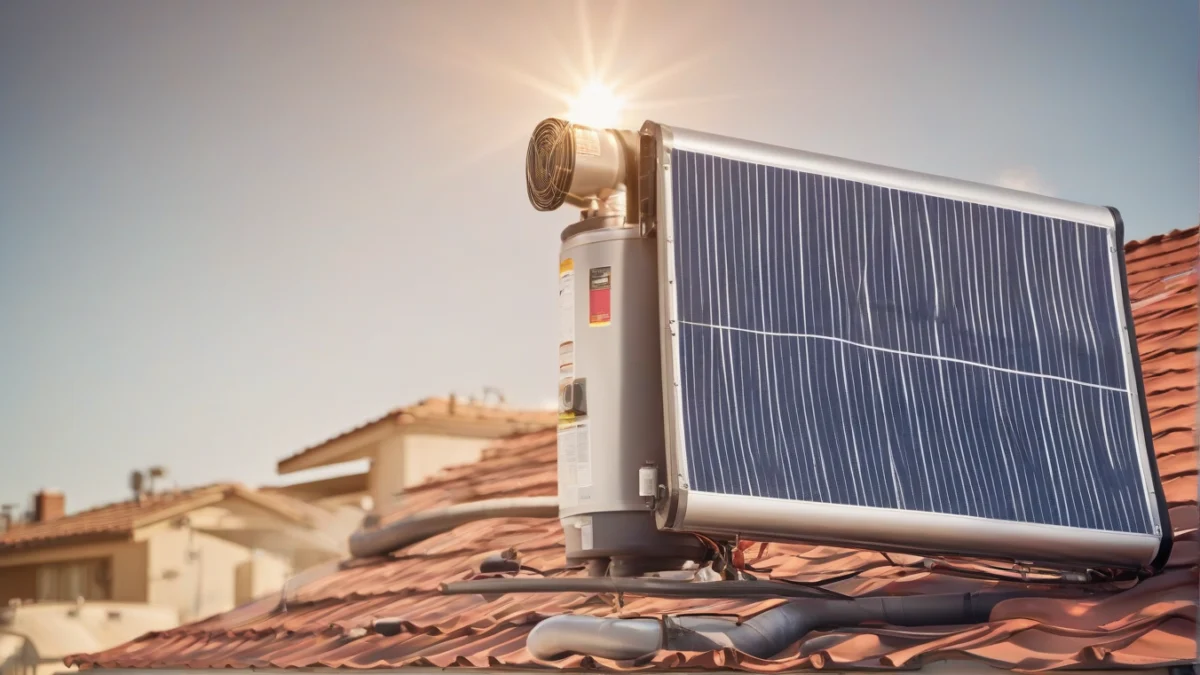
Loans for certified solar water heaters cover the cost of purchase and installation but exclude photovoltaic (PV) solar panel systems, which need separate financing. Lease purchase programs can serve homeowners with poor credit, offering fixed monthly payments without large down payments. On-bill recovery loans integrate payments into your utility bill, relying on energy savings to offset costs.
Credit approval ensures the lender assesses your ability to repay, but programs often provide credit enhancements that lower rates and extend terms. Most financing requires installation by a certified contractor to meet energy efficiency and safety standards, protecting your investment and qualifying you for tax credits.
| Type | Key Features | Typical Terms | Credit Requirement |
|---|---|---|---|
| Loan | Covers purchase and installation; excludes PV systems | Up to 5 years; some 0% APR | Credit approval required |
| Lease Purchase | Fixed monthly payments; no large upfront cost | Varies; often 3-5 years | Available with low or poor credit |
| On-Bill Recovery | Payments included in utility bill; must show energy savings | Usually up to 5 years | Credit approval required |
Eligibility Criteria for Certified Solar Water Heater Financing

Eligibility requirements for certified solar water heater financing depend on credit score, program rules, and contractor approval. While a good credit score improves your chances, some lease programs accept bad credit, making financing accessible to more homeowners.
Programs often require that the system be installed by approved contractors who meet certification and licensing standards. This ensures compliance with energy efficiency rules and qualifies you for rebates or tax credits. A home energy assessment may also be necessary to document your current energy use and verify savings projections.
Eligibility can vary by state or region because financing programs and incentives differ. Some states have stricter credit score minimums or require participation in specific energy efficiency initiatives. You’ll generally need documentation such as proof of homeownership, income, and the contractor’s certification.
How Tax Credits Interact with Solar Water Heater Financing
Tax credits reduce the net cost of your solar water heater but don’t lower your monthly loan payments directly.
When you finance a certified solar water heater with a loan, you repay the full purchase price plus interest over the loan term, typically up to five years. The federal tax credit, currently 30% of the system cost, is claimed on your annual tax return and reduces your tax bill or increases your refund for that year.
Plan your budget knowing that the tax credit arrives as a lump sum after your first year of ownership, while loan payments spread out monthly. The tax credit lowers your overall cost but does not reduce your monthly loan payments.
State and local rebates may work similarly or as upfront discounts through your installer, so check program specifics. Combining financing with tax credits and rebates can make solar water heaters affordable without large upfront cash.
Keep in mind that tax credits require you to have sufficient tax liability to claim them. If your tax bill is too low, you may not realize the full credit benefit right away.
Regional Differences and Finding Local Approved Contractors
Financing options for certified solar water heaters vary widely by state and utility, and they exist beyond the usual hotspots like Hawaii and California.
Many states offer loan or rebate programs through local utilities or energy offices. For example, New York’s NYSERDA program and Alabama Power’s Smart Financing both include loans for solar water heaters, but terms and requirements differ.
Most financing programs require installation by approved contractors who meet quality and certification standards. Using an approved contractor ensures eligibility and proper system installation that meets program rules.
Approved lenders also vary by region. Some programs have partnerships with local banks or credit unions offering special terms for solar water heater loans.
If you live outside major solar markets, don’t assume you lack financing options. Many regional utilities and states maintain programs, though they may have different names or slightly different eligibility rules.
Reach out early to local energy offices or your utility provider to learn about available financing and to get referrals for qualified installers. This step is key to a smooth financing and installation process.
Finding a good contractor also helps ensure the system qualifies for tax credits and rebates, protecting your investment and maximizing savings.
Exploring regional programs and approved contractors prepares you for the next step: comparing loan and lease options effectively.
Comparing Lease and Loan Financing for Solar Water Heaters
The main difference between lease and loan financing for solar water heaters lies in ownership and payment structure. Loans offer fixed monthly payments over terms up to five years, and you own the system outright, qualifying you for federal tax credits. Leases usually bundle installation and maintenance, require lower credit scores, but often cost more over time and do not confer ownership until you buy out the lease.

Lease purchase programs help customers with bad credit access solar water heaters by reducing upfront costs and requiring less stringent credit approval. These programs include maintenance as part of the monthly fee, which can simplify upkeep but may add to the total expense.
| Feature | Loan | Lease Purchase |
|---|---|---|
| Ownership | You own immediately | Ownership after lease term or buyout |
| Monthly Payments | Fixed and predictable | May be lower initially, possibly higher overall |
| Tax Credits | Eligible | Not eligible until ownership |
| Credit Requirements | Higher credit score needed | Lower credit barrier |
| Maintenance | Your responsibility | Usually included |
Typical loan amounts range from $5,000 to $25,000 depending on system size and installation complexity. Early repayment penalties vary but are uncommon in government-supported programs; private lenders may charge fees, so check terms carefully.
Steps to Apply for Certified Solar Water Heater Financing
Solar water heater loan amounts vary widely depending on system size and location. Early repayment penalties are uncommon but may apply with some private lenders, so check the loan terms carefully.
Following these steps helps avoid delays and ensures you maximize tax credits and financing benefits. For contractors and more on loan options, see solar water heater financing loans that fit your needs.
Questions People Ask
What credit score do I need to qualify for solar water heater financing?
Can I use financing for solar photovoltaic (PV) systems with these loans?
Are there 0% APR financing options available?
How do tax credits affect the total cost of financing?
Can I finance installation and maintenance together?
Are there penalties for paying off the loan early?
How do I find approved contractors for my area?

HeaterGuides covers home heating, water heating and HVAC: how the equipment works, what it costs to run, and how to use it safely.
