

A lot of searchers really want one of three answers: does my house have heat, does my system also cool, or why is one room colder than the rest? The short version is that central air and heat is a distribution setup, not a single appliance.
The details matter because a heat pump, a gas furnace and a plain air conditioner can all share ductwork, but they do different jobs and cost different amounts to run.
Central Air And Heat
Central air and heat means one ducted system that moves warm or cool air through the same vents. When people say “central air and heat,” they usually mean a setup that both heats and cools the house using shared ductwork and air handlers.
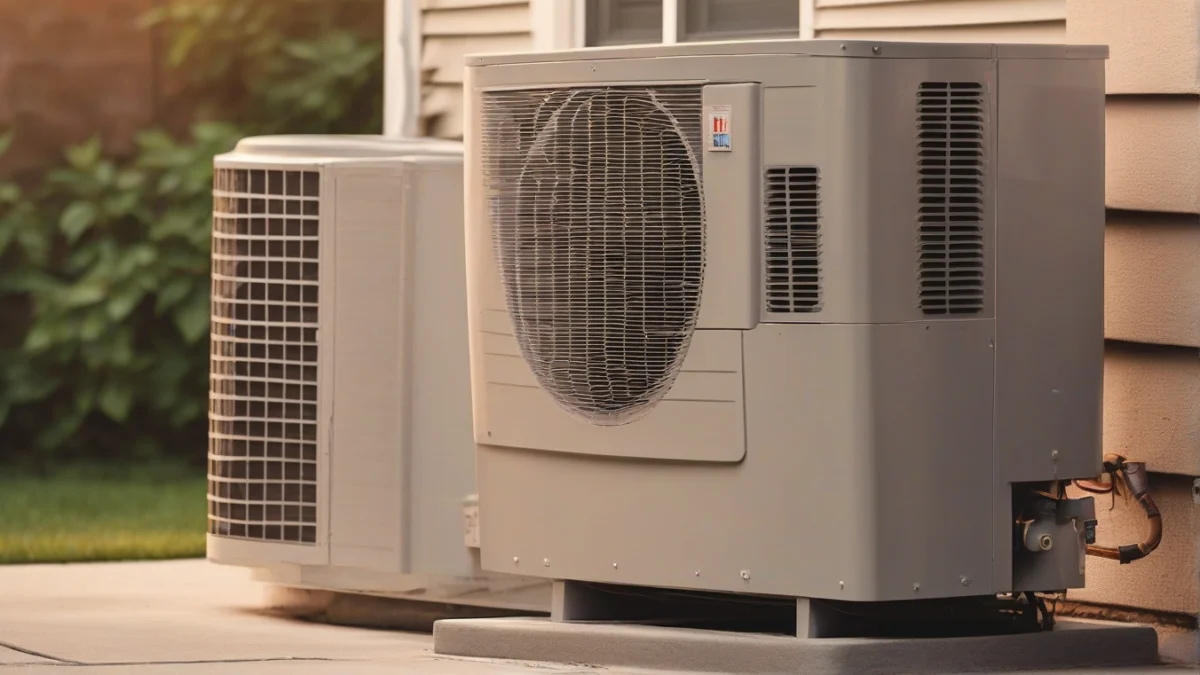
The heating side often comes from a furnace that burns gas or electricity to make heat, or from a heat pump that can move heat in or out depending on the season. The cooling side comes from a central air conditioner that removes heat from indoors and sends it outside.
Sometimes “central air” alone means only cooling, especially if the home has a separate furnace or no central heat. But “central heat and air” usually means both heating and cooling work through the same ducts.
The ducts and vents deliver conditioned air to rooms, regardless of whether the outdoor equipment is a heat pump, a furnace with an AC coil, or two separate units. Shared ductwork doesn’t require the same device outside.
For example, if the thermostat is set to 70°F but the living room reads 64°F, the system may be running heat for the whole house. However, that room might stay cooler due to weak ducts, poor insulation, or a closed register.
| Term | Meaning |
|---|---|
| Central air | Usually just the cooling system |
| Central heat | Heating system using ducts |
| Central air and heat | Both heating and cooling through ducts |
| HVAC | Heating, ventilation, and air conditioning system as a whole |
Where The Heat Actually Goes
Ducts deliver warm air but lose heat if they run through unheated spaces like attics or crawl spaces. Heat escapes through leaks or thin duct walls, so warm air often arrives cooler than when it left the furnace or heat pump.
Return ducts pull indoor air back to the air handler to be reheated or recooled. These returns don’t suck in outside air like a vacuum; fresh air usually enters through a small, controlled vent or mechanical system.
Existing heating ducts can sometimes carry cooling air, but the ducts and equipment must be sized and sealed properly to handle the airflow and pressure the air conditioner needs. Otherwise, cooling performance suffers.
Adding a fan or booster to a hot-water or steam radiator can help spread heat better, but these devices don’t work on forced-air duct systems because the blower already moves air.
| Heating Method | How It Feels | Best For |
|---|---|---|
| Central heat | Even, whole-house warmth | Homes with ducts |
| Space heater | Spot heating | Small rooms or quick heat |
| Radiator booster | Better heat circulation | Hot-water or steam radiator systems |
| Electric baseboard | Quiet, room-by-room | Homes without ducts |

What It Costs To Run
A plug-in space heater typically uses up to 1,500 watts, drawing about 12.5 amps from a standard 120-volt household circuit. Running it for 8 hours at 17 cents per kilowatt-hour costs roughly $2.04 — a handy calculation you can check: 1,500 W ÷ 1,000 × 8 hours × $0.17.

That wattage limit means one space heater works fine for a single room but gets expensive fast if you try to heat the whole house this way. Central electric heat can deliver warmth more efficiently over a larger area, but all-electric resistance heat still converts each kilowatt-hour into heat at the point of use — no magic energy savings there.
Heat pumps shift heat rather than generate it, using electricity mainly to power compressors and fans. They can provide the same heat for about a third or half the electricity a resistance heater uses, depending on outdoor temperatures.
| Heating Type | Approximate Cost per Hour at 1,500 W Equivalent | Notes |
|---|---|---|
| Plug-in Space Heater | 0.25 per kWh | Best for heating one room. |
| Electric Furnace | 0.25 per kWh | Heats whole house; uses more power overall. |
| Heat Pump | 0.08 to 0.12 per kWh | Moves heat efficiently; cost varies with outdoor temperature. |
Gas furnaces cost less to run than electric heat because natural gas prices are generally lower per BTU. Installing a central gas furnace instead of electric heat usually pays off over time but requires gas availability and proper venting.
If your home has no gas and no central heat, a heat pump is often the best way to heat a two-story house efficiently. It provides whole-house warmth and cooling using one system. Space heaters are a cheaper stopgap for one or two rooms but get costly and inconvenient as the sole heat source.
Central AC and heating units don’t take air from outside for heating or cooling; they recirculate indoor air through ducts. Outdoor air is introduced only in ventilation or fresh-air systems, not through the furnace or AC coils.
When The Thermostat Or Control Says Calibrating
Seeing “calibrating” on your central heat and air control usually means the thermostat or control board is resetting or learning the current temperature, not that the system is actively heating or cooling yet.
Common signs something’s wrong include a blank thermostat display, short cycling of the system (turning on and off rapidly), the blower running without heat coming out, or the outdoor unit starting but indoor air staying cold.
A capacitor is a small electrical component that helps start the compressor or fan motor by giving it an initial boost. When it fails, the unit might hum, fail to start, or trip circuit breakers.
When A Heat Pump Beats A Space Heater
A central heat pump provides whole-house heating and cooling through one ducted system, often making more sense than using multiple room heaters.
A ducted inverter heat pump like the Senville Central Air Conditioning System, Heat Pump, Inverter, 3 Ton can cover up to 2,000 square feet and maintain heat in temperatures as low as -22°F. These systems replace both your furnace and central air conditioner but require professional installation and licensed technicians to handle refrigerant lines and electrical connections.
Central heat and air systems using propane or natural gas have specific gas-line sizing needs; for example, a typical central heat system plus on-demand hot water might require a 3/4-inch or 1-inch gas line depending on BTU demand. These sizing and venting questions are best left to licensed pros.
If your rooms need evenly distributed heating and cooling, a central heat pump wins on comfort. But if you only want to warm one office or bedroom tonight, a plug-in space heater is simpler, cheaper, and faster. Renters and anyone without the budget or access to licensed installation should skip a central replacement.
What Breaks First In A Central System
Cold weather exposes common failures in central heating and cooling systems: clogged air filters, dead thermostat batteries, tripped breakers, dirty flame sensors, bad capacitors, frozen outdoor coils, and closed supply registers.
Oil-fired boilers heating radiators but not domestic hot water usually signal a problem in the boiler’s internal controls or hot water coil, separate from forced-air heat and air systems.
Questions People Ask
Does central heating and air mean there is air conditioning?
What does it mean when your central heat and air says calibrating?
What is a central heat and air capacitor?
Do you call central air conditioning the same as a heat pump?
Can you use the same ductwork for a new AC unit as for a house with only central heat?
How do you heat a home without central heating?
Does central AC also heat?

I am a mechanical engineer and love doing research on different home and outdoor heating options. When I am not working, I love spending time with my family and friends. I also enjoy blogging about my findings and helping others to find the best heating options for their needs.
Related guides

What Is the Cost Per Day to Operate a Stove? 26 Cents an Hour
Daily stove cost depends on fuel, wattage, burn rate, and hours used. Get the math, the real comparison,…
How Can You Heat A Pool Without Electricity?
Heat a pool without electricity using solar covers, solar rings, liquid covers, or wood-fired and wind options, with…

Heated Shawl Benefits, Costs, and Safety Explained
Heated shawls warm you directly with adjustable heat, powered by batteries or USB, offering comfort with safety features…