Flex Stainless Steel Piping for Water Heaters: Safe Up to 150 PSI
On this page 5 sections
Flexible stainless steel connectors are common and reliable for water heater connections when chosen and installed properly. This guide explains their safety, code rules, durability, and installation best practices.
Confusion often arises between flexible stainless steel water connectors and flexible gas lines, but each has specific uses and standards to follow for safe operation.
Using Flexible Stainless Steel Piping on Water Heaters
You can use flexible stainless steel piping on water heaters if it meets the temperature and pressure ratings required for hot water systems. It must be designed for potable water and installed according to local codes and manufacturer instructions. Flexible stainless steel offers durability, corrosion resistance, and ease of installation compared to rigid piping.
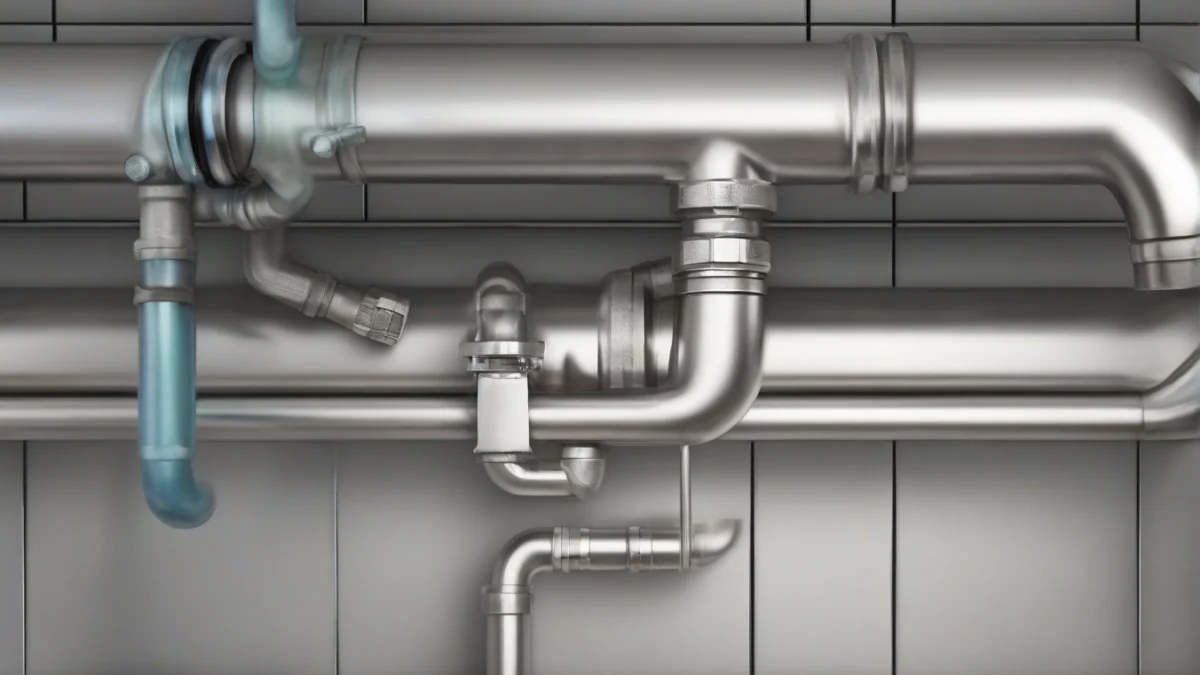
Flexible stainless steel water connectors differ significantly from flexible gas lines. The water heater connectors are specifically rated and certified to handle potable water pressure and temperature, while flexible gas lines — often made from corrugated stainless steel tubing (CSST) — are designed for gas supply with different pressure ratings and safety standards. This distinction matters because flexible gas lines are sometimes mistakenly considered unsafe compared to traditional black steel pipe, but properly installed CSST is actually durable and reliable.
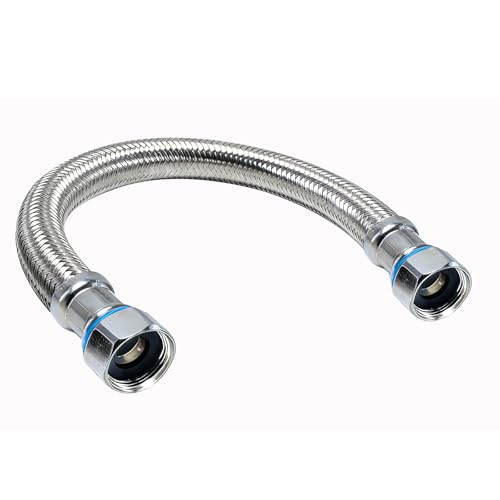
Flexible stainless steel water connectors are typically braided hoses with a PVC or rubber inner core, wrapped in stainless steel to resist kinks and corrosion. They must be certified to NSF/ANSI 61 or equivalent for drinking water safety and lead-free compliance. This certification ensures no harmful substances leach into your water supply.
Durability also depends on installation quality. Even the best flexible stainless steel connector can fail if bent sharply, twisted, or exposed to physical damage. Proper installation prevents leaks and extends the life of your water heater connections well beyond 20 years.
Limitations of Flexible Stainless Steel Piping for Water Heaters

Flex stainless steel piping for water heaters doesn’t always meet safety or code requirements, especially if local regulations mandate rigid pipe sections before flexible connections. Many plumbing codes require at least 18 inches of rigid pipe, usually copper or steel, before installing flexible connectors to prevent stress and movement that could cause leaks.
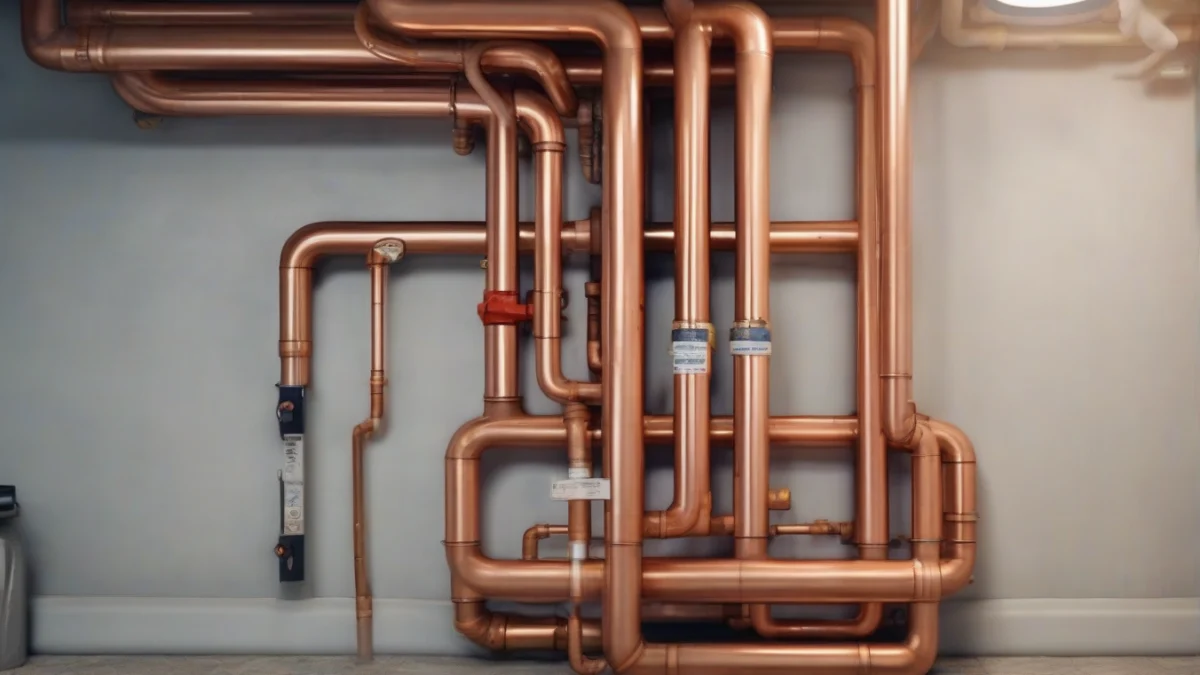
Flexible stainless steel piping can handle typical water heater temperatures and pressures, but it may not perform as well as copper or PEX in some applications. Over time, flex piping can be vulnerable to damage from bending or abrasion, so proper support and protection during installation are essential to maintain its lifespan.
Flexible connectors cannot replace shutoff valves; they must be installed downstream of the shutoff. Shutoff valves are mandatory for isolating the water heater during maintenance or emergencies and are often required by code to be rigid and easily accessible.
Some jurisdictions restrict or forbid using flexible connectors on gas water heaters unless they are bonded and installed by licensed professionals. This rule helps reduce risk from electrical faults and ensures proper installation techniques. Flexible gas lines have different requirements than flexible water pipes, so confusion between the two can lead to code violations or unsafe setups.
Oversized or sagging flexible connectors are a common problem. Too much slack can trap sediment, promote corrosion, or cause the hose to kink and fail prematurely. Codes often require neat, properly supported piping runs without excessive bends or loops.
In seismic zones, earthquake straps may be required to secure flexible connections on water heaters. These straps prevent movement that could break connections during shaking and cause leaks or flooding.
How to Install Flexible Stainless Steel Piping Safely on Water Heaters
Start by shutting off the water supply and power or gas to the water heater. Drain the tank below the connection point to prevent leaks. Use flexible stainless steel connectors rated for hot water, and secure them firmly without sharp bends or kinks. Follow manufacturer torque specifications for fittings and check for leaks before restoring water and power. Adding a dielectric union can prevent corrosion when connecting to dissimilar metals.
Measure the exact length of pipe needed before installation to avoid slack or sharp bends that cause kinks. A kink restricts flow and weakens the pipe, risking leaks or bursts under pressure.
Support the flexible pipes within 18 inches of each connection point. This prevents strain on the fittings from the pipe’s weight or movement, reducing the chance of loosening or damage over time.
Always tighten fittings with two wrenches—one to hold the pipe end steady, and one to turn the fitting. Twisting the pipe itself may damage the stainless steel braid or the inner tubing, leading to leaks.
Before pressurizing the system, inspect the flexible connectors carefully for any kinks, cracks, or damage. Even a small nick can grow under pressure and cause failure.
Perform annual inspections of flexible connectors. Look for corrosion on the stainless braid, bulging or blistering of the inner hose, and mineral deposits that indicate leaks or weakness.
Replace any flexible connector showing signs of wear immediately. Since failures can cause flooding and water damage, timely replacement is crucial to safety.
Maintain the water heater’s temperature and pressure relief (T&P) valve in good working order. Set the thermostat to 120°F to control water temperature, which reduces scald risk and limits stress on flexible piping.
 Water Heater Owner's ToolkitFix the common faults yourself, keep it running for years, and know when a repair is money wasted.No-hot-water flowcharts, gas and electricFlush, anode, relief valve and descaling stepsRepair-or-replace calculator (Excel)
Safer Alternatives to Flexible Stainless Steel Piping on Water Heaters
Copper and PEX remain popular choices for water heater connections due to their proven durability and widespread code approval. Copper withstands high temperatures and pressures well but requires soldering skills. PEX is flexible, resistant to scale and corrosion, and easier to install but must be rated for hot water use. Flexible stainless steel piping offers a middle ground with corrosion resistance and flexibility but needs careful installation and inspection to avoid damage.
Corrugated stainless-steel tubing (CSST) is widely used for gas supply lines to water heaters but is not approved for hot water connections. The tubing’s design and certification are specific to fuel gas, so it should never replace water piping.
Dielectric unions are fittings used to connect dissimilar metals such as copper and steel. These unions prevent galvanic corrosion where two metals meet, extending the life of water heater piping systems.
PEX piping is increasingly common for water heater supply lines. Choose PEX rated specifically for hot water use, and ensure installation complies with local plumbing codes. PEX is flexible, resists scale buildup, and is easier to install than rigid copper.
Avoid PVC piping for water heater connections. PVC becomes brittle and can crack under the high temperatures typical of water heaters, leading to leaks and possible water damage.
Each piping material requires adherence to local plumbing codes and manufacturer instructions. Installation nuances such as support spacing, temperature ratings, and connection types differ and affect long-term safety and performance.
Comparing semi-rigid copper and flexible stainless steel, copper offers greater durability and resistance to damage but less flexibility for tight spaces. Flexible stainless steel allows easier installation in cramped areas but demands careful handling to avoid kinks.
Remember, flexible gas lines like CSST are designed for natural gas or propane and cannot safely replace water heater supply piping. Confusing these lines risks safety hazards including leaks or carbon monoxide exposure.
For more on safe flexible water heater connections and pros and cons of flex hose, see Can You Use Flex Hose on a Water Heater? Pros & Safety Tips.

