Skip to content

Expert home heating guides, reviews & repairs

Heater GuidesHeaterGuides
Gas Heaters

Using a Gas Stove as a Heater Is Not Safe

Quick answer
No, you should not use a kitchen gas stove as a heater. A cooking range is built for brief cooking, not room heating, and running it for hours can fill the house with carbon monoxide and open-flame risk.

Say your kitchen is 12 by 12 feet and the power is out. The burners still make heat, but that heat comes with exhaust gases, uncovered flame, and a design that expects you to stand nearby for minutes, not sit in the room for hours.

If your real goal is steady warmth, the safer path is a heater made for indoor space heating, plus a working carbon monoxide alarm on every level of the house.

The essentials
A kitchen gas stove is not a safe room heater.
Carbon monoxide is the main hazard, and you cannot see or smell it.
A range hood does not make stove heating safe for long periods.
If you need backup heat, use an indoor-rated heater or a vented system built for that job.
Keep a CO alarm in place before cold weather starts.

Using a Gas Stove as a Heater

A kitchen gas stove should not be used as a room heater. No timer, range hood, or low flame makes hours of burner use safe, and the safe answer in 2026 is to turn the burner off and use an appliance listed for heating instead.

A kitchen gas stove with burners and knobs, unused
Avoid using a kitchen gas stove as a heater.

Say you light two burners during a power outage and leave them running overnight. The flames consume gas and oxygen while releasing carbon monoxide and water vapor into the room; a cooking range isn’t designed to vent those combustion products continuously into your living space. A hood that exhausts outdoors may remove some fumes, but it isn’t a substitute for the appliance’s required venting or for a carbon monoxide alarm.

CO
The hazard you can’t see
Carbon monoxide has no reliable warning smell. A headache, dizziness, nausea, unusual tiredness, or confusion can signal exposure; move everyone outside and call emergency services if a CO alarm sounds or symptoms appear.

The burner also adds an open flame where a heater’s controls and clearances would normally manage the heat. Nearby cabinets, curtains, paper, cookware handles, and the stove’s own surfaces can become dangerously hot, while a pot left dry can overheat. Keep the range for cooking, and use the manufacturer’s instructions for how long each burner may operate.

A gas stove’s thermostat doesn’t regulate room temperature because the burner controls cooking output, not space-heating demand. Turning the knob down may reduce gas use, but it doesn’t remove the combustion, fire, or ventilation problem. For background on the burner itself, see how gas stoves work.

If You Already Lit It
Turn every burner off, put out any other flame, and open doors or windows if you can do so safely. If a CO alarm sounds or anyone feels ill, leave immediately, call emergency services from outside, and don’t re-enter until responders say it’s safe.
The useful control
The only reliable way to stop a stove from using gas unnecessarily is to shut the burner off at the control knob after cooking. A timer can remind you, but it can’t make an unsuitable heating method safe.

When The Answer Changes

The answer changes only when you’re talking about a separate gas heater that is listed for indoor space heating, not a kitchen range. In 2026, an indoor-rated gas heater can be safe when its installation manual, ventilation requirements, fuel type, clearances, and local code all allow the installation.

A vent-free heater needs a built-in oxygen depletion sensor, and local authorities must allow that kind of appliance in your home. The sensor is designed to shut the gas off if oxygen falls too low; it isn’t permission to use any gas-burning appliance indoors or to skip a working CO alarm.

ApplianceIndoor useWhat to check
Kitchen gas stoveNo, not for room heatingUse for cooking only; a timer or hood doesn’t change its listing
Indoor-rated gas heaterSometimesIndoor listing, ODS on a vent-free model, fuel type, clearances, ventilation, CO alarm, and local code
Outdoor or construction heaterNoPatio, torpedo, and construction models aren’t for a living space, tent, vehicle, or other enclosed area
The label and installation instructions matter more than the flame’s size.

Outdoor patio heaters, propane appliances without an indoor rating, torpedo heaters, and construction heaters belong outside. Their combustion and exhaust arrangements assume open air; moving one into a garage, basement, or room can fill the space with carbon monoxide or create a fire hazard. A diesel heater is a different case only when it is designed to exhaust outside the cabin and installed as directed.
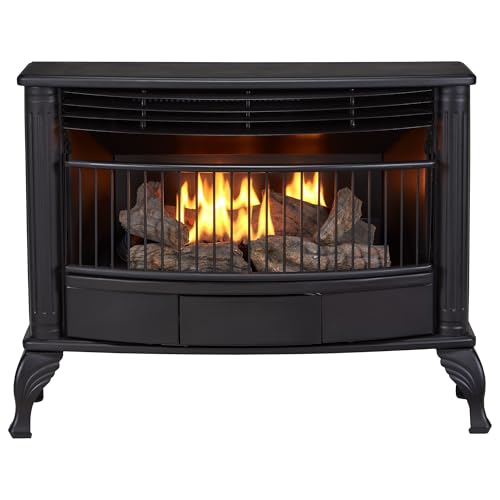
For a purpose-built indoor gas heater
ProCom Ventless Dual Fuel Gas Stove
Product 2 is an indoor-only, ventless dual-fuel heater with a built-in pilot oxygen depletion sensor and thermostat remote; consider it only after confirming that vent-free heating is allowed where you live and that the room meets the manual’s requirements.
See it on Amazon
Check Local Code First
Vent-free gas heating is restricted or prohibited in some states and cities. Ask your building department or a licensed installer before buying; a product’s indoor-use label doesn’t override local rules.
Safer Heat And Detection
Use the right equipment instead of turning the kitchen into a bad idea with knobs.
Electric alternative
DREO Indoor Space Heater
Product 1 gives you thermostat-controlled electric heat instead of asking a cooking range to heat the house. Its 1,500-watt PTC system, tip-detection sensor and overheat protection address the main risks in this article, though you should still plug it directly into a wall outlet and keep clear space around it.
See it on Amazon
Code-dependent gas heat
ProCom Ventless Dual Fuel Stove
Product 2 is a purpose-built indoor heater, unlike a kitchen range, and can use natural gas or propane with remote temperature control. Its oxygen depletion sensor is designed to shut the heater down if carbon monoxide or low oxygen is detected, but you still need the required ventilation, a working CO alarm and local-code approval before using ventless gas heat.
See it on Amazon

What To Use Instead

The safest alternative to using a stove as a heater is a plug-in electric space heater for one room when the power is on. Choose a listed model with a thermostat, tip-over protection and overheat shutoff, then plug it straight into a wall outlet—never an extension cord or power strip.
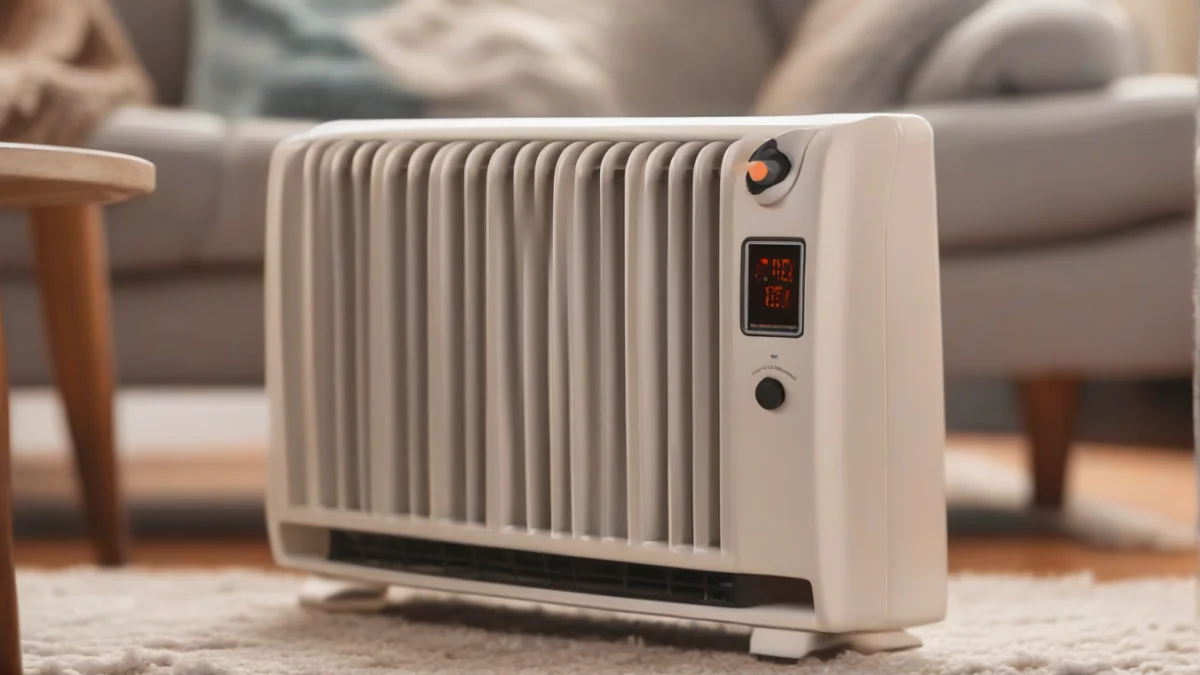
A plug-in electric space heater placed safely on the floor
Consider using a safe electric space heater instead.
Useful for one room
DREO Space Heater
Product 1 suits a bedroom or living room with power available because its 1,500 W PTC heater has a thermostat adjustable from 41–95°F, plus tilt detection and overheat protection.
See it on Amazon

Keep at least 3 feet of clearance from curtains, bedding, furniture and clothing. A 1,500 W heater draws about 12.5 amps on a standard 120 V circuit, so don’t share that outlet or circuit with another high-wattage appliance. Look for a UL, ETL or CSA listing, and follow the manual about sleeping or leaving the heater running.

HeaterWattsPer hourPer day (8 h)Per month (30 days)
1,500 W electric space heater1,500 W26¢$2.04$61.20
Calculated at 17¢ per kWh. Example assumes 8 hours each day, 30 days and electricity at 17 cents per kWh.

For fuel heat, use only an indoor-rated gas heater, and only where local code allows it. A ventless model still needs the ventilation specified in its manual, a working CO alarm and the required clearance; an oxygen-depletion sensor is a useful safety feature, not permission to ignore the rules. Check how gas heaters work before choosing one for an outage, since electric heat won’t operate when the power is off.

What To Do Before You Light Anything

Gas stove safety starts with a short check: carbon monoxide from a gas stove can become an emergency, so stop before lighting anything if the appliance, room or symptoms give you a reason to doubt it.

Before use
Confirm the appliance is rated for the job: a cooking range is for cooking, while a space heater or gas room heater must be listed for indoor space heating.
Test the CO alarms, replace weak batteries and confirm you have a working alarm where the manufacturer recommends it, especially near sleeping areas.
Use the range hood while cooking if it vents outdoors; a recirculating hood moves air but doesn’t send combustion gases outside.
Check that the burner flame is steady and mostly blue. Yellow or orange flames, soot or unusual staining call for service before continued use.
Stop immediately if you smell gas. Don’t light a burner, flip switches or use a phone inside the home.
Treat headaches, dizziness, nausea or confusion in more than one person as a possible CO warning, not a cold-room problem.
Leave first
If you smell gas or suspect carbon monoxide exposure, get everyone outside immediately and call 911 or your gas utility from a safe location. Don’t go back inside until emergency personnel or the utility says it’s safe.

More Questions, Answered

Can a gas stove heat a room safely?
No. A kitchen gas stove can add heat while cooking, but it isn’t designed to run for hours as a space heater and may produce carbon monoxide, moisture and open-flame hazards. Keep the burners and oven for cooking only.
What are the symptoms of carbon monoxide from a gas stove?
Common symptoms include headache, dizziness, weakness, nausea, vomiting, chest pain and confusion. Several people or pets becoming sick at the same time is a serious warning sign. Get everyone into fresh air and call emergency services; don’t go back inside until responders say it’s safe.
Do I need a carbon monoxide detector if I have a gas stove?
Yes, a gas stove is a good reason to install working CO alarms, even when the appliance is properly maintained. Place alarms on each level and outside sleeping areas, test them regularly, and replace batteries as directed. An alarm adds protection; it doesn’t make using the stove for heat acceptable.
Is a ventless gas heater safer than a kitchen stove for heat?
A ventless heater listed for indoor use is designed for space heating and has controls a kitchen range lacks, such as an oxygen-depletion sensor on propane models. It still adds combustion products and moisture indoors, may be restricted by local code, and must be installed and operated exactly as its manual requires. An outdoor or construction heater is never a substitute.
Can I use my oven as a heater during a power outage?
No. Leaving the oven door open wastes fuel and raises the risk of carbon monoxide, burns and fire, especially around children or pets. During an outage, use blankets and properly rated electric heat when power returns; never use a generator, grill or outdoor heater indoors.
What should I do if I smell gas or think I have CO poisoning?
Leave the building immediately if you smell gas, hear hissing or suspect a leak, and avoid switches, flames and phones inside; call the gas utility or emergency services from outside. For a CO alarm or symptoms, get into fresh air and call emergency services, then don’t reenter until the building has been checked. Never silence an alarm and assume the problem is solved.
Related guides
gas stove ventilation options for healthier kitchensHow hoods, fans and make-up air reduce cooking pollutants indoors.
gas stove safetyPractical checks for flames, cookware, clearance and appliance maintenance.
space heater stoves explainedHow electric stove-style heaters provide flame appearance without combustion.
How To Fix Common Gas Stove Problems FastTroubleshooting burners, ignition problems and other common range faults.
Share
Written by Joye

I am a mechanical engineer and love doing research on different home and outdoor heating options. When I am not working, I love spending time with my family and friends. I also enjoy blogging about my findings and helping others to find the best heating options for their needs.

Keep reading

Related guides

Free newsletter

Heater deals and guides, worth opening

Price drops, new guides and safety recalls. One email, only when it matters.

No spam. Unsubscribe in one click. Privacy policy.