Plugging a space heater into a timer is common for scheduled heating, but it’s not always safe. The main risk is electrical overload and timer failure due to the heater’s continuous high current draw.
This article explains how to check if your timer can handle your space heater safely, what timer types are best, and what precautions to take to avoid fire hazards.
Plugging a Space Heater Into a Timer Requires Care
Only timers rated for at least 15 amps and 1,500 watts should control space heaters. Many common timers are made for lamps or small appliances and can overheat or fail if used with a heater drawing 12.5 amps. The timer’s plug must be grounded and match the heater’s plug type to ensure a safe connection.

Start with the heater’s current draw: watts ÷ volts = amps. A 1,500 W heater on a standard 120 V outlet draws 12.5 A (1,500 ÷ 120). That leaves little headroom on a timer, so use one specifically rated for a 15 A resistive or heating load; a timer rated below 15 A isn’t suitable for that heater.
Resistive heaters are electrically simple, but they still work a timer hard. The heating element pulls a steady, high current, and each switching cycle can create a small arc across the timer contacts. Repeated arcing and contact resistance create heat, pit the metal, and can leave the timer stuck on, stuck off, or discolored around the outlet.
Review the space heater’s safety features before adding a timer: look for tip-over shutoff, overheat protection, and a UL, ETL, or CSA listing. Keep 3 feet between the heater and curtains, bedding, furniture, or paper, and don’t run it while sleeping or away from home unless the manufacturer says that model is designed for it.
A timer can control when power reaches the heater, but it doesn’t add tip-over protection, overheat protection, or a safer outlet. For built-in scheduling, a heater with its own timer may be a better fit; see the guide to small space heaters with timer for that type of setup.
Unsafe Situations When Using Timers With Space Heaters
Using a timer not built for space heaters can cause overheating, melting, or electrical fires. Timers that lack a grounded plug or overload protection increase the risk. Also, plugging the timer into an extension cord or power strip is unsafe because they may not handle the heater’s current.
Never use a timer rated below 15 A with a 1,500 W heater drawing 12.5 A at 120 V. A low-rated mechanical timer can overheat even if the heater appears to work, and worn contacts make the problem worse: pitting, looseness, a buzzing sound, or heat at the timer are reasons to unplug it immediately.
An extension cord or power strip is another stop sign. The extra plug and cord connections add failure points, and many cords and strips aren’t intended for a portable heater’s sustained load. Plug the timer into the wall and the heater directly into the timer only when both products’ instructions allow that arrangement.
Skip the timer entirely if the heater lacks tip-over shutoff or overheat protection, has a damaged cord, smells of hot plastic, or trips the breaker. A timer may energize a heater while nobody is there to notice a blocked air intake or a unit that has fallen against bedding.
Power outages create a separate hazard: when electricity returns, some heaters or timer setups may energize again without anyone nearby. Don’t use a timer if the heater restarts unexpectedly after power is restored; choose a model whose controls require a deliberate restart, if the manufacturer specifies that behavior.
A propane space heater needs ventilation and carbon-monoxide precautions that a plug-in timer cannot provide. Use only an indoor-rated model indoors, follow the manual’s ventilation requirements, keep a working CO alarm nearby, and use the oxygen-depletion sensor supplied on an indoor propane heater; never bring a patio, construction, or outdoor heater inside, and check local rules for vent-free gas heaters.

Safe Timer Types for Use With Space Heaters
Mechanical timers rated for 15 amps with grounded plugs and UL listing are safe choices. Digital timers designed for high wattage appliances with built-in overload protection also work well. Avoid plug-in timers intended only for lamps or low-power devices, as they typically lack the necessary safety features.

Mechanical plug-in timers are simple, but many are rated below 15 amps and their contacts can wear after repeated heating cycles. A 1,500-watt heater draws about 12.5 amps at 120 volts, leaving little room for a tired or undersized timer. Use one only when its specifications match the heater and its condition is excellent.
Smart plugs with electromechanical relays generally suit resistive loads better than tiny electronic switching designs, provided the manufacturer lists space heaters or continuous resistive loads as an approved use. Energy monitoring adds a useful check: a plug that reports roughly 1,500 watts on high gives you a quick warning if the load behaves differently than expected. Remote control is convenient, but it doesn’t replace the heater’s tip-over and overheat protection.
A heater’s own safety package matters more than a timer’s app. Look for automatic overheat shutoff, tip-over protection, an adjustable thermostat and a recognized safety listing; an electric fireplace should have the same basic protections and a timer rated for its full load. Built-in timers avoid an extra connection, though you still need the manufacturer’s rules for unattended operation. Using smart plugs with space heaters covers the extra limits of remote switching.
How to Use a Timer Safely With Your Space Heater
Always check the heater’s wattage and current draw before choosing a timer. Match or exceed these specs on the timer’s rating. Plug the timer directly into a wall outlet; never use an extension cord. Keep the heater and timer away from flammable materials, and follow the heater manufacturer’s safety instructions. Using a timer with built-in safety features reduces fire risk and helps control energy use.
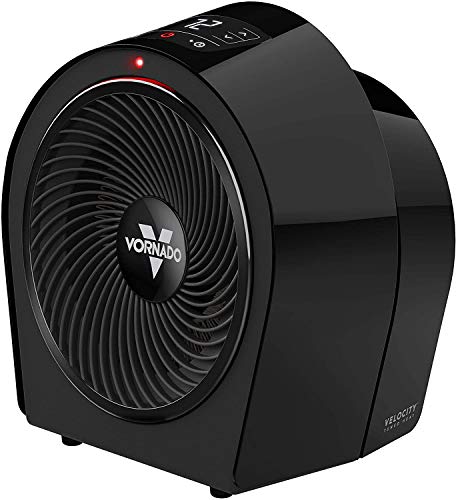
The product described in the search is a 450-watt indoor heater with a thermostat, remote, 1-to-12-hour built-in timer and overheat protection. Those controls are useful, but the timer doesn’t grant permission to leave any heater running while you sleep or leave the house; follow the model’s manual.
If a smart plug is the right fit, choose one whose specifications name the heater’s load and keep alerts enabled for unexpected power use. A built-in heater timer is often the cleaner arrangement because it avoids another plug connection, provided the model’s instructions allow the schedule you want.
Frequently Asked Questions
Can I use any timer with my 1500W space heater?
What happens to my heater timer during a power outage?
Are smart plugs safer than mechanical timers for heaters?
How do I know if my space heater has tip-over and overheat protection?

HeaterGuides covers home heating, water heating and HVAC: how the equipment works, what it costs to run, and how to use it safely.