

Yes, you can convert an LPG heater to natural gas, but it requires a conversion kit and professional installation to ensure safety and compliance with regulations.
Converting an LPG (propane) heater to natural gas is possible in many cases, but requires careful consideration of safety, compatibility, and local regulations. While some heaters can be converted with a simple kit, others may need professional modifications or cannot be converted at all.

Dingbaayee
10FT Propane to Natural Gas Conversion Kit…
- Wide Compatibility: The natural gas grill conversion kit is compatible with Genesis, Genesis II, Spirit and Spirit II grills such…
- Premium Quality: The propane gas hose is made of upgraded rubber and brass, which has excellent weather resistance, crack resistan…
- Reliable Performance: The natural gas conversion kit for grill ensures a steady flow of natural gas to your grill, providing consi…
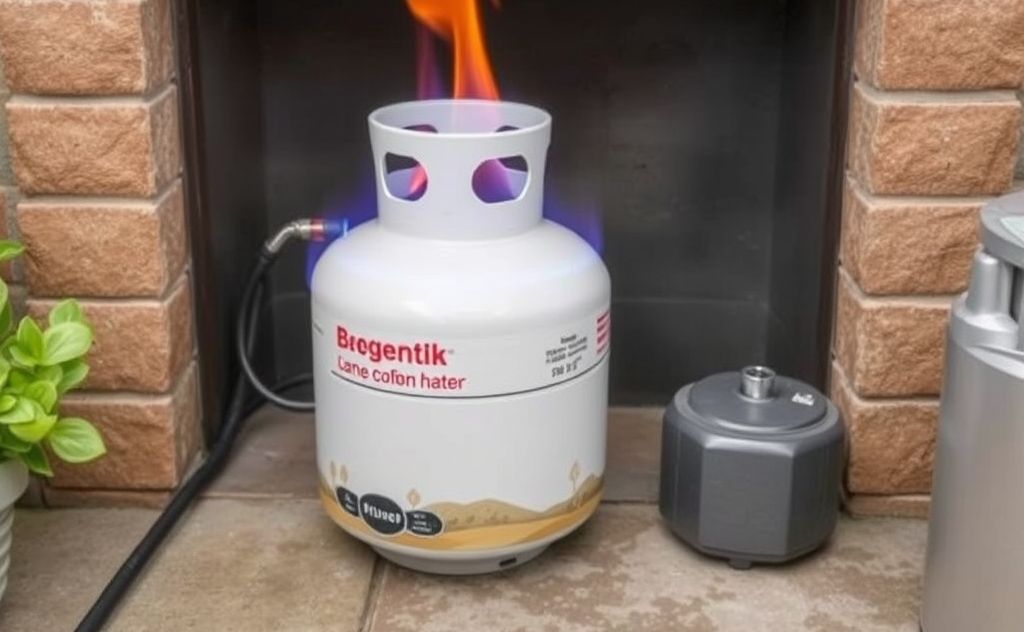
Key Differences Between LPG and Natural Gas
LPG (propane) and natural gas have distinct properties that affect heater performance:
| Property | Propane (LPG) | Natural Gas |
|---|---|---|
| Energy Content | 2,516 BTU/ft³ | 1,030 BTU/ft³ |
| Pressure | 10-11 inches WC | 3.5-7 inches WC |
| Storage | Pressurized tanks | Piped utility supply |
Why Conversion Requires Modifications
The higher energy content of propane means natural gas requires larger orifices to deliver equivalent heat output. According to Mr. Heater, most conversions involve:
- Replacing gas orifices/jets
- Adjusting regulator pressure
- Modifying air shutter settings
- Potential valve replacements
Types of Heaters That Can Be Converted
Convertible Models
Some manufacturers design heaters for dual-fuel use. For example, the Big Maxx garage heater offers conversion kits with proper documentation.
Non-Convertible Models
Ventless heaters often cannot be converted due to precise combustion requirements. As noted in ventless propane heater discussions, these units have strict safety mechanisms that prevent modification.
Conversion Process Overview
1. Verify Compatibility
Check manufacturer specifications – some units clearly state “not convertible” in manuals.
2. Obtain Proper Kit
Genuine conversion kits include:
- Correct orifice sizes
- Pressure regulator
- Installation instructions
3. Professional Installation
Most jurisdictions require licensed technicians for gas appliance modifications. Improper conversions can create dangerous situations.
Safety Considerations
Critical Warnings
- Never attempt conversion without proper kit
- Ventless heaters require special caution
- All conversions need leak testing
The National Fire Protection Association reports improper conversions contribute to hundreds of gas-related incidents annually.
When Conversion Isn’t Practical
Cost Analysis
Sometimes purchasing a natural gas-specific heater proves more economical than conversion, especially for older units.
Technical Limitations
Some burner designs cannot properly adjust for the different combustion characteristics between fuels.
Professional Assistance
Always consult with qualified HVAC technicians before attempting any fuel conversion. They can:
- Assess your specific heater model
- Obtain correct conversion parts
- Perform pressure tests
- Ensure compliance with local codes
Proper conversion maintains safety while allowing you to take advantage of natural gas availability. However, when in doubt, replacement with a properly configured unit is often the wisest choice.
Related pick: Check today's price on Amazon

I am a mechanical engineer and love doing research on different home and outdoor heating options. When I am not working, I love spending time with my family and friends. I also enjoy blogging about my findings and helping others to find the best heating options for their needs.
Related guides

Gas vs Electric Water Heaters: Key Differences Explained
Natural gas water heaters typically heat water faster and are more energy-efficient than electric models, but installation and…
Can Natural Gas Heaters Use Propane Safely?
Natural gas heaters cannot use propane without modification, as they are designed for specific fuel types, but conversion…
Best Condensing Gas Boilers: Top 5 Picks for Home Heating
Facing high heating bills? The best condensing gas boilers for home heating slash costs. The Rinnai i150SN is…