

Get this wrong and you can waste money on the wrong parts, lose heat when you need it, or create a leak that makes the whole room unsafe. Gas conversion sounds small on paper. The parts are small too; the consequences are not.
The safe path is simple: check the rating plate, use the listed kit, change the burner parts and regulator settings the manual calls for, then leak-test and verify the flame. If the heater is vent-free, the room ventilation and oxygen depletion sensor matter just as much as the gas type.
Cost To Convert A Natural Gas Heater To Propane
You can convert some natural gas heaters to propane, but it requires specific parts and adjustments. The conversion involves changing orifices, regulators, and sometimes burners to match propane’s higher energy content and pressure.
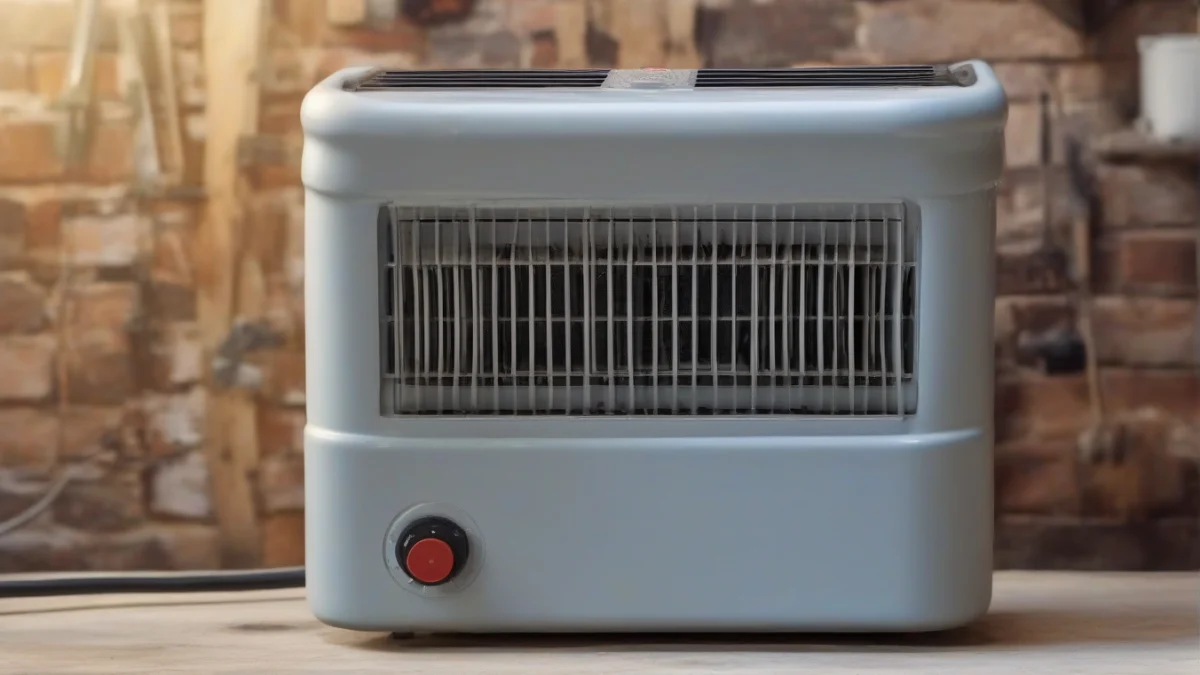
Converting from natural gas to propane on a radiant heater generally takes between 1 and 3 hours. Easier access to the valve and burner means a quicker job; cramped or complicated installations can take longer.
The conversion kit usually includes new burner orifices and adjustments for the gas regulator to handle propane’s higher pressure and energy content. The final step is a thorough leak test and checking that the flame shape matches the manufacturer’s specifications for safe combustion.
A vent-free propane heater still requires room ventilation and clearances exactly as the manual states. Propane burns hotter and faster than natural gas, so airflow and spacing remain critical for safe indoor use.
You can also convert propane heaters back to natural gas if the manufacturer provides the correct conversion kit and instructions. Never improvise with parts not designed for your specific model.

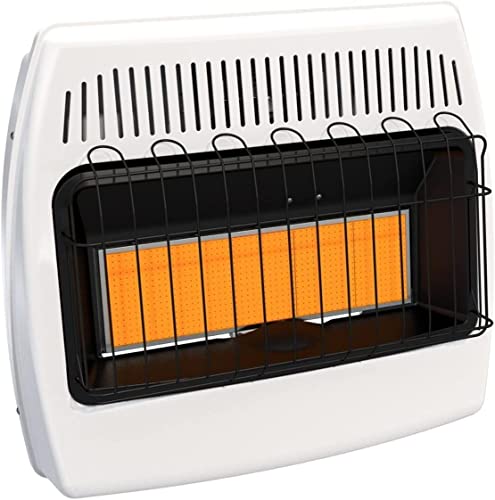

What Changes In A Propane Conversion
Converting a natural gas water heater or gas heater to propane involves more than swapping tanks; it requires adjusting how the burner meters fuel. Propane packs more energy per cubic foot, so the orifice—the tiny hole that sprays gas into the burner—must be smaller than for natural gas to keep flames steady and safe.
| Feature | Natural Gas | Propane |
|---|---|---|
| Supply pressure | Lower than propane | Higher than natural gas |
| Orifice size | Larger opening | Smaller opening |
| Flame behavior | Cooler, larger flame | Hotter, more concentrated flame |
The conversion kit from the manufacturer includes the proper orifice and may also provide a new regulator spring or valve setting to handle propane’s higher pressure. Not every heater can be converted in the field; some models don’t have approved conversion kits and aren’t safe to modify.
For vent-free indoor heaters, the oxygen depletion sensor and automatic shutoff must remain functional after conversion. These safety devices prevent dangerous carbon monoxide buildup by shutting down the heater if oxygen falls too low.
When A Licensed Pro Or Permit Is Required
You usually need a licensed plumber or gas fitter for converting natural gas heaters to propane when the heater is hard-piped, venting is modified, or local code requires a permit. This applies especially to water heaters, furnaces, and boilers.
Gas work often triggers inspections. Water heater conversions involving the temperature and pressure (T&P) valve or vent replacement almost always require a pro to comply with safety codes and insurance requirements.
The cost to convert a water heater from propane to natural gas varies widely. Installed jobs can range from a few hundred to over a thousand dollars depending on the kit, labor rates, access complexity, and permit fees. The nameplate must list a conversion kit; otherwise, the project usually ends there.
| Situation | Permit or Pro Required? |
|---|---|
| Hard-piped heater conversion | Yes |
| Venting changes | Yes |
| Simple burner orifice swap in listed model | Sometimes |
| No conversion kit listed on nameplate | No conversion allowed |
Mistakes That Cause Leaks Or Poor Combustion
Converting a propane patio heater back to natural gas is rarely straightforward—there’s usually no universal conversion kit available for this, so check carefully before you start. Likewise, a propane to natural gas conversion kit for a patio heater must match the exact model; generic kits often lead to trouble. An oil furnace, by contrast, cannot be converted to natural gas simply by swapping parts; it generally requires a full burner replacement or a new unit altogether.
Watch for signs the conversion is wrong: a lazy yellow flame, soot buildup on the burner, or the burner lifting off its ports. These indicate poor combustion and should prompt immediate shutdown to prevent carbon monoxide risks.
Before You Buy Parts Or Call A Tech
A natural gas heater can be converted if the manual and manufacturer permit it, but if the label or manual says no, replacement is the only safe route. Bring a photo of the heater’s nameplate, the exact model number, the owner’s manual, and your house’s gas utility type to the store or technician for a precise match.
Conversion costs vary. Washington Gas estimates can range from a few hundred to over a thousand dollars depending on complexity and parts. Switching from oil heat to natural gas often costs more, typically including burner installation and venting upgrades, so expect higher labor and equipment expenses.
More Questions, Answered
How do I know if my natural gas heater is convertible to propane?
What parts change in a propane conversion kit?
Can I convert a vent-free heater myself?
How much does a gas heater conversion usually cost?
Do I need a permit to convert a gas heater?
What should I do if the flame is yellow after conversion?
More propane & gas heaters guides on HeaterGuides.

I am a mechanical engineer and love doing research on different home and outdoor heating options. When I am not working, I love spending time with my family and friends. I also enjoy blogging about my findings and helping others to find the best heating options for their needs.
Related guides

Gas Furnace Troubleshooting: Fix Common Issues Fast
Troubleshooting common issues with natural gas furnaces: Start by checking the thermostat settings, ensuring the furnace is receiving…
Does Natural Gas Heat Water? The Complete Guide
Yes, natural gas can efficiently heat water using gas water heaters, providing a reliable and cost-effective solution for…
Can You Convert An Electric Heater To Natural Gas?
You've got an electric furnace that's eating your utility bill alive. You've heard natural gas costs less per…