

You track your cycle, take prenatal vitamins, and time intercourse perfectly. Yet month after month, the test stays blank. Your clinician runs the standard panel—hormones, sperm analysis, imaging—and everything comes back ‘normal.’ So what’s missing? Sometimes it’s the number on your thermostat, the season on the calendar, or the temperature of your laptop on your thighs.
Thermal stress is a real, measurable factor in reproductive health. The data is robust, spanning animal models and human epidemiology. Heat disrupts hormone signaling, damages gametes, and complicates pregnancy. Cold snaps and erratic temperature swings carry their own risks. This article translates that research into a practical, gender-specific playbook—what to do, when to do it, and why it matters for natural conception and fertility treatments alike.
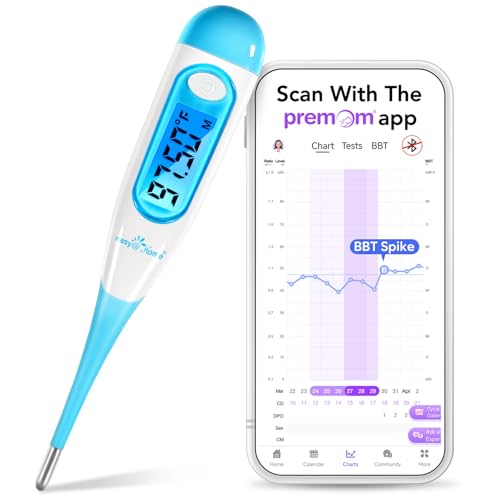
Easy@Home
easy@Home Digital Basal Body Thermometer for Adults…
- Track Your Ovulation Cycle: Use the free Premom App to effortlessly monitor your basal body temperature (BBT), supporting your nat…
- Clinical High Accuracy (± 0.05 ℃ / ± 0.09 ℉ ): Measure your Basal Body Temperature (BBT) with precision to 1/100th of a degree (e.…
- Large Blue Backlit Screen: Easy to read in the dark and stores up to 30 temperature records. NOTE: Place the probe firmly under yo…
You’ll walk away with concrete cooling protocols, a clear picture of vulnerable windows, and specific adjustments to discuss with your clinician if you’re pursuing IUI or IVF. No vague advice about ‘staying comfortable’—just the mechanisms and the fixes.
For anyone tracking basal body temperature (BBT) as part of this process, a reliable device matters. The easy@Home Digital Basal Thermometer measures to 1/100th of a degree, which is the precision needed to catch the subtle 0.5°F rise that signals ovulation. It’s not Bluetooth, but the free Premom app lets you log readings manually in seconds. It takes about 90 seconds per reading, which is longer than a standard oral thermometer—a small trade-off for the accuracy that makes cycle tracking actually useful.

The Biological Link: How Heat Disrupts Hormonal Signaling
The reproductive system runs on precise hormonal pulses. The hypothalamus releases GnRH, which tells the pituitary to release FSH and LH, which then drive the gonads. Heat interferes at every step.
When core body temperature rises, the hypothalamus—already the body’s thermostat—gets conflicting signals. It prioritizes cooling over reproduction. This is a classic evolutionary trade-off. Your body won’t invest in making a baby if it thinks you’re in a survival crisis. Heat stress suppresses gonadotropin secretion, meaning less FSH and LH reach the ovaries and testes.
The result is a cascade. In women, follicular development slows or stalls. In men, the signal to produce sperm weakens. The effect isn’t binary—it’s a dose-response curve. Mild, chronic heat exposure (like working in a hot kitchen all day) produces subtler changes than an acute heat wave, but both matter.
Cortisol plays a role too. Heat is a stressor, and stress raises cortisol. Elevated cortisol suppresses GnRH pulsatility. This is the same pathway that causes missed periods during intense psychological stress, but heat triggers it physiologically. You don’t have to feel anxious for your cortisol to spike—your body just responds to the thermal load.
Melatonin also shifts with temperature and light. Hot nights disrupt sleep architecture, which changes melatonin secretion patterns. Melatonin isn’t just a sleep hormone; it modulates reproductive hormone release and has antioxidant properties that protect eggs and sperm. Broken sleep from heat means a broken hormonal rhythm.
Male-Specific Risks: Sperm Quality, DNA Integrity, and the Scrotal Thermostat
The testicles hang outside the body for a reason. They need to be 2–4°C cooler than core body temperature for optimal spermatogenesis. That’s roughly 93–95°F (34–35°C) versus a core of 98.6°F (37°C). The scrotum is a finely tuned thermostat, but it has limits.
When scrotal temperature rises above 36°C for sustained periods, sperm production drops. The first parameter to suffer is count. Then motility. Then morphology. The most concerning effect is sperm DNA fragmentation—breaks in the genetic material that don’t necessarily prevent fertilization but often cause embryos to arrest or miscarry early.
Oxidative stress is the mechanism. Heat increases reactive oxygen species in the testes. Sperm are particularly vulnerable because their cytoplasm is minimal, leaving little room for antioxidant defense enzymes. The DNA damage accumulates silently. A man can have perfectly normal sperm count and motility yet high DNA fragmentation, which standard semen analysis often misses.
Common culprits are mundane: tight underwear, laptops on the lap, long car rides with seat heaters, saunas, hot tubs, and occupational heat exposure from bakeries, foundries, or outdoor summer work. Even a fever of 101°F for a few days can suppress sperm parameters for weeks.
The 90-Day Window: Why Summer Heat Affects Winter Conception
Spermatogenesis takes about 64 days from stem cell to mature sperm, plus another 14–20 days for transit through the epididymis. That’s a roughly 90-day pipeline. Damage done today won’t show up in an ejaculate until three months from now.
This explains the seasonal fertility patterns seen across global datasets. Conception rates dip in late summer and early fall. A 2026 analysis of birth records across multiple countries found that sperm quality is lowest in July and August, with a corresponding trough in conceptions occurring in September and October. The heat exposure in June and July damages the sperm that would have fertilized an egg in September.
Clinical implication: if you’re planning a winter conception, the time to protect sperm quality is now—not in December. Men should treat the summer months as a period of heightened vigilance. Avoid hot tubs, switch to loose boxers, and be mindful of occupational heat exposure starting at least three months before the desired conception date.
Female-Specific Risks: Ovulation, Implantation, and Early Pregnancy Loss
Women’s reproductive physiology is equally sensitive to temperature, though the mechanisms differ. The ovarian follicle is a metabolically active structure, and heat stress affects its function at multiple points.
Ovulatory dysfunction is the most common manifestation. Heat exposure disrupts the mid-cycle LH surge, the trigger for ovulation. Without a proper surge, the follicle may not rupture, or it may release an immature oocyte. This shortens or lengthens cycles unpredictably. Studies of women in hot climates show higher rates of anovulatory cycles during heat waves compared to cooler months.
Follicular development itself slows under heat stress. The granulosa cells that nurture the growing egg are sensitive to thermal damage. They produce less estradiol, which weakens the feedback signal to the pituitary. The whole cycle becomes suboptimal. For women with already short or irregular cycles, heat can push them over the edge into anovulation.
The Follicular Phase: Heat and Egg Maturity
The follicular phase—from day one of bleeding to ovulation—typically lasts 12–14 days. This is when the egg matures. Heat stress during this window delays maturation. The follicle grows more slowly, and the LH surge is blunted.
For women tracking BBT, this shows up as a later thermal shift. The temperature rise that confirms ovulation comes days later than expected. For those using fertility apps, the algorithm gets confused, predicting fertile windows that don’t match reality.
There’s also evidence that heat stress during the follicular phase alters the intrafollicular environment. The fluid surrounding the egg contains higher levels of oxidative stress markers after heat exposure. This may compromise egg quality even if ovulation occurs normally.
Implantation is another vulnerable window. The endometrium must be receptive to the embryo, and that receptivity depends on precise hormonal priming. Heat stress on days 7–10 after ovulation—the implantation window—increases the risk of early pregnancy loss. The embryo itself is also thermosensitive. Even a 1°C rise in core temperature during the first two weeks post-conception can disrupt embryonic implantation.
Pregnancy Outcomes: Preterm Birth and Low Birth Weight Risks
The risks don’t end once implantation succeeds. The developing fetus is highly sensitive to maternal core temperature, particularly in the first trimester when organogenesis occurs.
Neural tube defects show a clear association with maternal heat exposure in the first 4–6 weeks of pregnancy. Hot tub use during early pregnancy—raising core temperature above 101°F (38.3°C) for extended periods—has been linked to increased risk in multiple retrospective studies. Saunas carry a similar risk profile.
Later in pregnancy, the concern shifts to preterm birth and low birth weight. A large meta-analysis of over 12 million births found that each 1°C increase in ambient temperature during the last week of pregnancy was associated with a 5% increase in preterm birth risk. Another study of California births found that exposure to extreme heat (above 90°F) in the final month increased the risk of low birth weight by 8%.
The mechanism is thought to involve reduced placental blood flow. When the mother’s body shunts blood to the skin for cooling, the uterus and placenta receive less perfusion. This restricts oxygen and nutrient delivery to the fetus. Chronic heat stress also increases maternal cortisol, which can cross the placenta and affect fetal development.
Dehydration compounds the problem. Pregnant women have higher fluid requirements, and heat increases insensible water loss. Even mild dehydration reduces blood volume, further compromising placental perfusion.
The Overlooked Factor: Temperature Fluctuations and Cold Stress
Heat waves grab headlines, but the data suggests that temperature variability—rapid swings between hot and cold—may be equally harmful. This is a newer area of research, and it’s changing how clinicians think about thermal risk.
Sudden cold snaps trigger a sympathetic nervous system response. Blood vessels constrict, blood pressure rises, and stress hormones spike. In pregnant women, this vasoconstriction reduces uterine blood flow acutely. A 2026 study found that a 10°F drop in temperature over 24 hours was associated with a 7% increase in preterm labor risk within the following week.
Temperature fluctuations also disrupt circadian rhythms. The body uses temperature cues to entrain its internal clock. When environmental temperature swings wildly, sleep quality suffers, and hormonal rhythms destabilize. For couples trying to conceive, this means less predictable fertile windows and potentially lower libido.
Cold stress itself has direct effects on sperm. The scrotum needs to be cool, but not cold. Extreme cold causes the cremaster muscle to pull the testicles closer to the body for warmth, which actually raises scrotal temperature. So a man who’s shivering in a cold office may paradoxically have warmer testicles than one in a comfortable 72°F room.
The practical takeaway: stability matters. A consistent 75°F is better than alternating 65°F and 95°F. This is particularly relevant for people in transitional seasons like spring and fall, where daily temperature swings of 30°F or more are common.
Temperature vs. Fertility Treatments: Adjusting IVF and IUI Protocols
Fertility treatments are not immune to thermal effects. In fact, they may be more vulnerable because the margins for error are smaller. A cycle that might have succeeded with a slightly suboptimal follicle can fail when heat stress is layered on top.
For IUI, the main concern is timing. Heat-induced cycle irregularity makes it harder to predict ovulation, which can cause insemination timing to miss the fertile window. Clinicians may need to rely more heavily on ultrasound monitoring rather than home ovulation tests during heat waves.
For IVF, the risks are more complex and span the entire cycle:
- Ovarian stimulation: Heat stress may reduce ovarian response to gonadotropins. Some clinics report needing higher FSH doses during summer months to achieve the same follicular growth as in winter.
- Egg retrieval: The follicles themselves may be more fragile under heat stress, potentially affecting oocyte recovery rates.
- Embryo culture: This is tightly controlled in the lab, but the transport of embryos between rooms or facilities can expose them to temperature fluctuations.
- Embryo transfer: Heat stress on the day of transfer—or the days following—may reduce implantation rates by altering endometrial receptivity.
Some clinics are starting to adjust protocols seasonally. A retrospective study from a large IVF center found that clinical pregnancy rates were 12% lower in July and August compared to November and December. The difference was most pronounced in women over 35, suggesting that older eggs are more vulnerable to thermal stress.
What can patients do? If you’re starting an IVF cycle during summer, discuss the following with your clinician:
- Ask about higher starting doses of gonadotropins if you’re a poor responder.
- Request frequent ultrasound monitoring to catch delayed follicular growth early.
- Consider scheduling your embryo transfer in the morning when ambient temperatures are lower.
- Maintain strict cooling protocols in the days before and after transfer—no hot showers, no outdoor exercise in peak heat.
For men providing sperm samples during summer, the advice is the same as for natural conception: the sample reflects the previous 90 days. If the male partner was exposed to significant heat in the months leading up to the cycle, consider requesting a sperm DNA fragmentation test in addition to standard analysis.
Actionable Solutions: Personal Cooling Strategies and Lifestyle Adjustments
Knowing the risks is only half the battle. Here’s the practical playbook for minimizing thermal stress, broken down by gender and situation.
For men (starting 90 days before conception attempts):
- Switch to loose-fitting boxer shorts. Briefs and boxer-briefs raise scrotal temperature by 1–2°C. That’s enough to matter.
- Avoid laptops directly on the lap. Use a desk or a lap desk with a barrier. The underside of a running laptop can reach 120°F.
- Skip hot tubs and saunas entirely. If you must use them, limit to 15 minutes and cool down immediately after.
- For occupational heat (bakers, chefs, outdoor workers), take frequent cool-down breaks in air-conditioned spaces. A 15-minute break every hour keeps core temperature from climbing.
- Consider cooling underwear or testicular cooling devices if you have documented low sperm counts and work in a hot environment. These are niche products, but some data supports their use in oligospermic men.
For women (throughout the cycle, especially the follicular phase and implantation window):
- Time outdoor exercise for early morning or evening. Avoid vigorous exercise when ambient temperature exceeds 85°F.
- Use cooling neck wraps or ice packs on pulse points (wrist, neck, groin) during heat waves. These areas have high blood flow close to the surface.
- Stay aggressively hydrated. Aim for 2–3 liters of water daily in hot weather, plus electrolytes if you’re sweating heavily. Urine should be pale yellow.
- Take cool (not cold) showers before bed. This lowers core temperature without triggering a cold-stress response.
- During the two-week wait after ovulation, avoid anything that raises core temperature above 101°F: no hot yoga, no long hot baths, no strenuous outdoor activity in heat.
For both partners:
- Keep the bedroom between 65–70°F. This optimizes sleep quality and supports the nighttime melatonin surge.
- Use breathable bedding—cotton or bamboo, not synthetic blends that trap heat.
- If you don’t have AC, create a cross-breeze with fans and open windows at night. A cool room is more important than a cool house.
- Monitor indoor temperature with a simple thermometer. You can’t manage what you don’t measure.
The Sleep-Hormone Connection: Why Nighttime Temperatures Matter
Sleep is when the body does most of its hormonal heavy lifting. The overnight melatonin surge supports ovarian function and sperm quality. The cortisol nadir allows for proper GnRH pulsatility. Both of these depend on a cool sleeping environment.
Core body temperature naturally drops 1–2°F during sleep. This drop is a signal to the brain to enter deep sleep stages. If the room is too hot, the drop doesn’t happen, and sleep becomes fragmented—even if you don’t consciously wake up.
Fragmented sleep raises next-day cortisol. High cortisol suppresses reproductive hormones. A study of healthy women found that those who slept less than 7 hours had a 20% reduction in luteal phase progesterone. Another study in men found that sleep restriction reduced testosterone by 10–15%.
The interplay is bidirectional. Heat disrupts sleep, which disrupts hormones, which makes the body less able to handle heat stress. It’s a downward spiral that compounds over weeks.
Practical fix: prioritize the bedroom environment above all other cooling measures. A cool, dark, quiet room is the single most effective thermal intervention for reproductive health. If you’re using a BBT thermometer to track your cycle, accurate readings also require consistent sleep—another reason to get the bedroom right.
Seasonal Planning: Using Temperature Data to Time Conception
You can’t change the seasons, but you can plan around them. The data on seasonal fertility patterns is consistent enough to inform timing decisions.
For natural conception, the optimal window in most temperate climates is late winter to early spring (February–April). This allows the first trimester—the most heat-sensitive period—to occur in cooler months. The third trimester, which carries the highest preterm birth risk from heat, then falls in fall or early winter.
Conversely, the most challenging window is attempting conception in late summer (July–September). This means the first trimester coincides with residual heat in September–October, and the third trimester falls in the heat of the following summer.
This isn’t a hard rule. People conceive successfully in all seasons. But if you have flexibility in timing—and especially if you have underlying fertility issues—aligning your attempts with cooler months removes one variable from the equation.
For those in tropical or subtropical climates, the seasonal variation is less pronounced but still present. The monsoon or rainy season often brings a brief cooling period that can be a strategic window for conception attempts.
One more data point: libido and sexual frequency also track with temperature. A study of smartphone fertility app data from over 200,000 users found that sexual activity was 8% lower in July and August compared to January and February. Some of this is behavioral—people are sweaty and uncomfortable—but there’s also a biological component. Testosterone levels are lower in summer, which reduces male libido. Couples who are ‘trying’ often feel pressure to have sex on schedule, but the data suggests that a hot summer night may not be the best time for a scheduled fertile-window attempt. Better to shift the schedule or use a cooling bedroom to remove the thermal barrier.
Building a Practical Framework for Thermal Resilience
Here’s the condensed version of everything above—the points worth remembering and acting on.
- Heat suppresses gonadotropin secretion in both sexes. The effect is dose-dependent and reversible, but it compounds over weeks of exposure.
- Men’s sperm quality reflects the prior 90 days. Protect the scrotal thermostat starting a full season before you want to conceive.
- Women’s most vulnerable windows are the follicular phase (egg maturity) and the implantation window (days 7–10 post-ovulation). Strict cooling during these times matters most.
- Temperature fluctuation is as risky as sustained heat. Aim for stability, not just coolness. A steady 75°F beats swinging between 65°F and 95°F.
- Fertility treatment protocols may need seasonal adjustment. Discuss higher gonadotropin doses and more frequent monitoring with your clinician if your IVF cycle falls in summer.
- Sleep is the foundation. A cool bedroom (65–70°F) supports the hormonal rhythms that everything else depends on.
- Timing conception to avoid the hottest months is a legitimate strategy, especially for couples with existing fertility challenges.
Temperature is not the only factor in reproductive health, and it’s not the most common one. But it’s one of the few factors that is entirely within your control. You can’t change your AMH level or your partner’s sperm count overnight, but you can change your bedroom temperature tonight. That’s a meaningful lever to pull.
For those who want to understand how temperature affects other body systems, the connections are often intertwined. Heat stress that impacts cardiovascular health also reduces blood flow to reproductive organs. Similarly, the daily temperature changes that disrupt sleep and hormone cycles affect more than just fertility—they influence overall health in ways that compound over time.
The evidence is clear: thermal stress is a modifiable risk factor for reproductive health. The solutions aren’t glamorous—they’re about fans, boxers, hydration, and sleep hygiene. But they work, and they cost almost nothing. Start with the bedroom, add the clothing changes, and pay attention to the season. Your future family may thank you.

I am a mechanical engineer and love doing research on different home and outdoor heating options. When I am not working, I love spending time with my family and friends. I also enjoy blogging about my findings and helping others to find the best heating options for their needs.
Related guides

Why Body Temperature Matters for Your Health
You check your temperature when you feel off. It's one of those basic health checks we all know.…

How High Temperatures Can Severely Damage Your Health
Yes, high temperatures can damage health by causing heat-related illnesses, dehydration, and exacerbating chronic conditions, particularly in vulnerable…

How Temperature Extremes Affect Your Heart Health
You step outside on a 95°F afternoon and within minutes your heart is hammering. Or you brave a…
