Can You Use Flex Fuel Line on a Water Heater in Michigan?
On this page 5 sections
No, flex fuel line is not suitable for water heaters in Michigan; use appropriate water heater piping materials for safety and compliance.
Installing or repairing gas lines for water heaters requires strict adherence to local codes. In Michigan, flex fuel lines face specific restrictions that homeowners and technicians must understand.
Michigan’s Fuel Gas Code Requirements
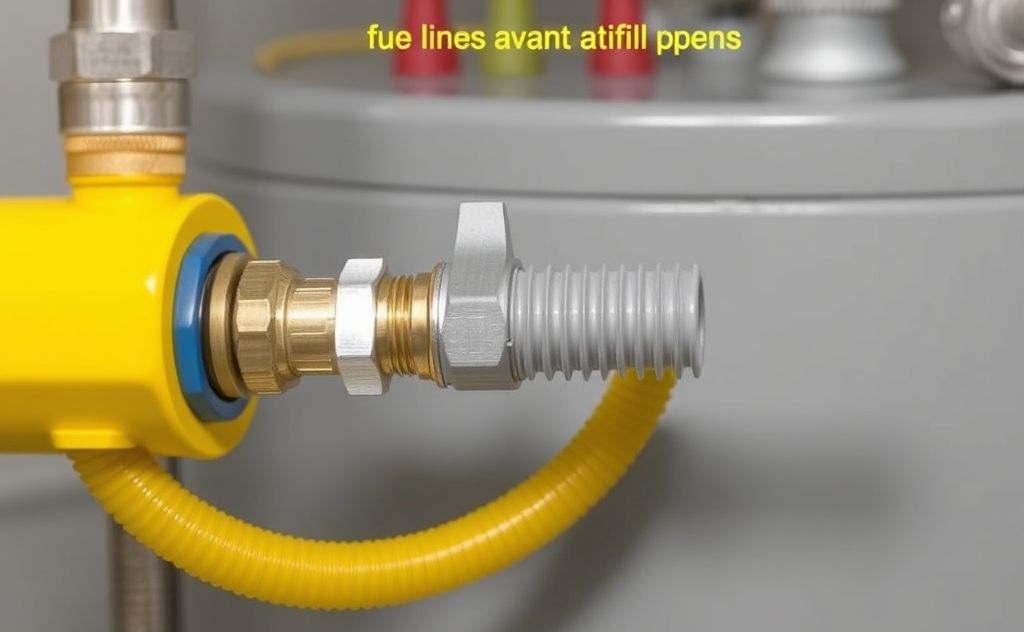
The Michigan Residential Code (2015) governs fuel gas installations. Section 24 specifically addresses proper materials and methods for gas piping systems.
Approved Materials for Gas Lines
Michigan requires these materials for water heater gas connections:
- Rigid copper tubing (Type K or L)
- Corrugated Stainless Steel Tubing (CSST)
- Black iron pipe

Flexible copper connectors like those sometimes used for dryers are prohibited for water heater installations. As noted in HVAC technician forums, copper flex lines pose kinking risks and don’t meet durability standards for permanent water heater connections.
Why Flex Fuel Lines Are Restricted
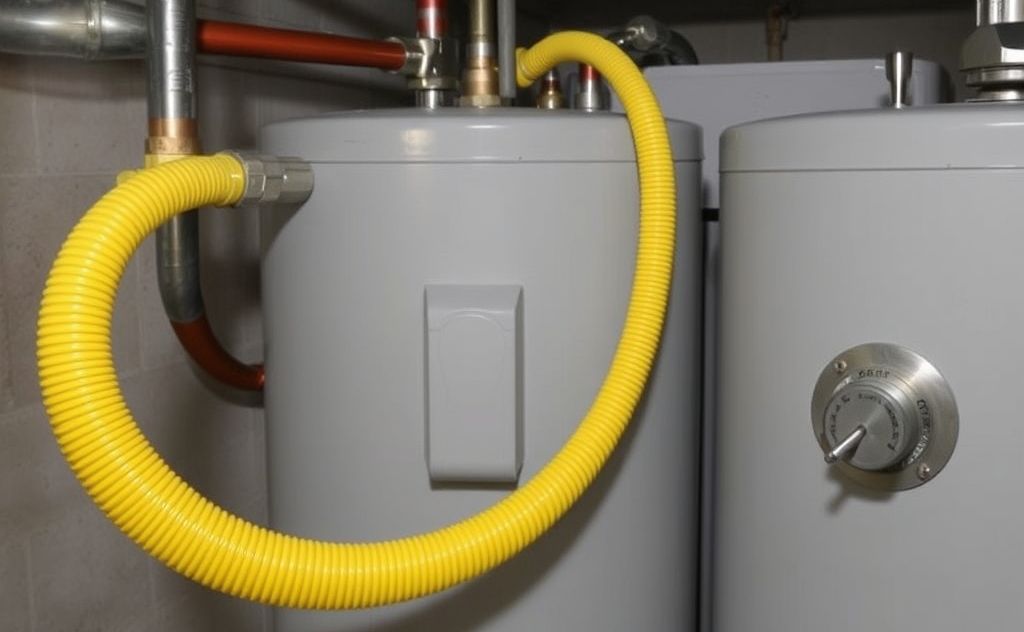
Michigan prohibits flex fuel lines for water heaters due to:
Safety Concerns
Flexible copper tubing can:
- Kink and restrict gas flow
- Fatigue over time from vibration
- Be more susceptible to physical damage
Code Compliance
The International Fuel Gas Code (IFGC) Section 411.1.3.1 specifies rigid piping requirements for appliance connections. While some jurisdictions allow flexible connectors in limited applications, Michigan maintains stricter standards.
Proper Installation Methods
For code-compliant water heater gas connections in Michigan:
Rigid Piping
Black iron pipe remains the most common solution. It must be:
- Properly sized for BTU requirements
- Supported at regular intervals
- Protected from physical damage
CSST Alternatives
Corrugated stainless steel tubing offers some flexibility while meeting code requirements when:
- Properly bonded
- Installed with manufacturer-approved fittings
- Protected from abrasion
As highlighted in HVAC professional resources, proper tools are essential for creating leak-free CSST connections.
 Water Heater Owner's ToolkitFix the common faults yourself, keep it running for years, and know when a repair is money wasted.No-hot-water flowcharts, gas and electricFlush, anode, relief valve and descaling stepsRepair-or-replace calculator (Excel)
Regional Variations in Michigan
While the state code provides baseline requirements, some local jurisdictions may have additional restrictions:
| Region | Additional Requirements |
|---|---|
| Detroit Metro | CSST bonding inspections required |
| Grand Rapids | Additional pressure testing |
| Upper Peninsula | Freeze protection measures |
Professional Installation Recommendations
Given the complexity of gas line work, homeowners should:
- Always hire licensed professionals
- Verify proper permits are pulled
- Request pressure testing documentation
- Ensure final inspection is completed
The Michigan Residential Code provides complete details on approved installation methods, while resources like the National Fire Protection Association offer additional safety guidelines.
Related pick: Check price on Amazon