
Thinking about installing a new Bradford White water heater yourself? It’s a common question for a savvy homeowner looking to save on labor costs. While the physical act of swapping an old unit for a new one might seem straightforward, the reality involves navigating a complex web of safety codes, permits, and warranty rules. This isn’t just about connecting pipes; it’s about ensuring your home and family are protected.
Before you grab your tools, you need a clear picture of what you’re legally allowed to do and what’s best left to a pro. For some, a simpler project like installing a point-of-use HYDRO MASTER Tankless electric unit might be a more manageable DIY task. But for a full-size residential water heater, the stakes are higher. Let’s break down exactly what you need to know.
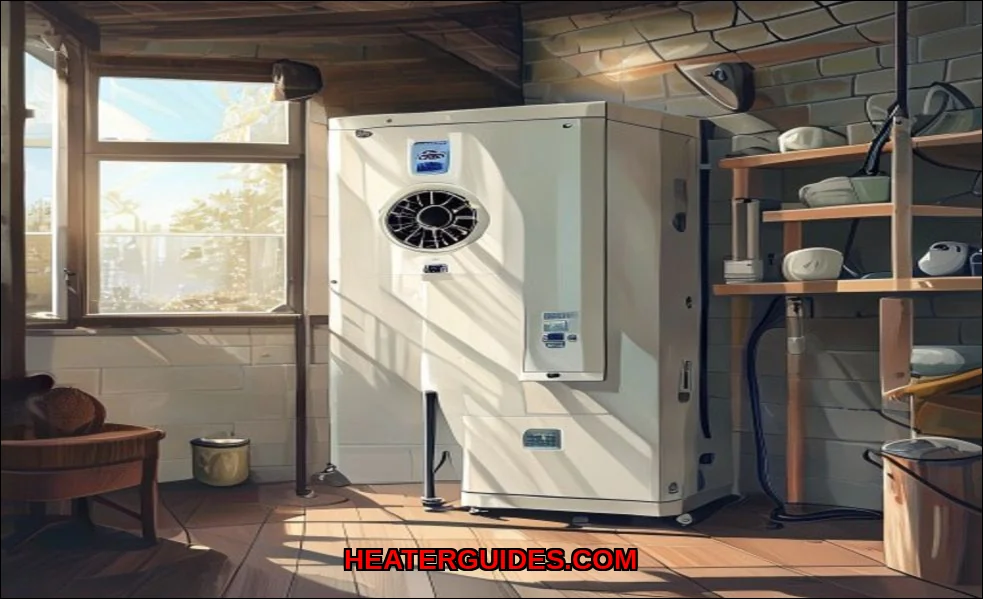
Can Homeowners Legally Install a Bradford White Water Heater?
The short answer is: it depends entirely on your local jurisdiction. In many areas, a homeowner is legally permitted to perform plumbing work on their own primary residence. This is often called an “owner-builder” provision. However, this right almost always comes with a major condition: you must pull the required permit and have the installation inspected by your local building department.
Pulling a permit isn’t just a bureaucratic hoop. It means a certified inspector will check your work against the plumbing codetypically the Uniform Plumbing Code (UPC) or International Plumbing Code (IPC)and, for gas models, the National Fuel Gas Code (NFPA 54). Their job is to verify safety. If you skip the permit and something goes wrong, you could face fines, invalidate your home insurance, and be liable for any damages.
So, is it legal for a homeowner to install a Bradford White water heater? Check with your city or county’s building department first. They will give you the definitive answer and outline the permit process.
Understanding the Risks: Safety and Code Compliance
This is the non-negotiable part. A water heater, especially a gas water heater, is a potential source of carbon monoxide poisoning, fire, and explosion if installed incorrectly. The risks are real, not theoretical.
- Gas Line and Venting: A new gas water heater must be connected to the gas supply with approved piping and fittings. The vent requirements are criticalit must be sized correctly, slope properly, and terminate safely outdoors to expel deadly gases.
- Water and Pressure: Incorrect plumbing can lead to leaks, water damage, or a dangerous pressure buildup. The temperature and pressure relief valve is a lifesaving device that must be installed exactly per code.
- Electrical Hazards: For an electric water heater, you’re dealing with high-voltage connections. Mistakes here can lead to electrocution or fire.
The plumbing code exists to mitigate these risks. It dictates everything from strapping the heater for seismic safety to providing proper combustion air. Your DIY installation must meet every single requirement.
What Permits Are Needed to Install a Bradford White Water Heater?
You’ll likely need at least a plumbing permit. If you’re replacing a gas unit, you’ll also need a mechanical or gas permit. The application process usually requires you to submit the water heater’s specifications and a simple diagram. The fee is a small price for safety verification and peace of mind.
Step-by-Step Technical Requirements for Installation
If you’ve confirmed it’s legal, pulled permits, and are confident in your skills, following the manufacturer’s instructions is paramount. Bradford White provides a detailed installation manual with every unit. This is your bible. Do not deviate from it.
Heres a high-level overview of what a proper Bradford White water heater DIY installation guide would cover:
- Shut Everything Down: Turn off the water supply, gas valve (or circuit breaker for electric), and drain the old unit completely.
- Remove the Old Heater: Disconnect all lines. For gas, this includes the flue vent and the gas line. Handle the old unit carefully.
- Prepare the New Location: Ensure the floor is level and can support the weight. Check clearances for the new unit as specified in the manual.
- Install the New Heater: Place the new Bradford White, connect the water lines (using dielectric unions to prevent corrosion), and install the new T&P valve and discharge pipe.
- Connect the Energy Source: This is the most critical step. For gas: connect the vent pipe first, then the gas supply line, and check for leaks with a soap solution. For electric: ensure power is off, connect the wiring per the diagram, and secure the electrical cover.
- Fill and Test: Open the water supply, purge air from the lines, light the pilot or restore power, and check for leaks and proper operation.
This is a simplified list. Each step has nuances. For instance, comparing Bradford White vs. Rheem water heater installations might reveal different venting connector requirements.
Warranty Implications of DIY vs. Professional Installation
This is a major consideration. Does DIY installation void Bradford White warranty? Not automatically, but it creates significant risk.
Bradford White’s warranty covers defects in materials and workmanship. However, the warranty is void if the unit is damaged due to improper installation, misuse, or failure to comply with codes and the installation manual. If a problem arises, you, as the installer, would need to prove your installation was flawless and to code.
A professional, licensed plumber provides a documented installation. If an issue is installation-related, the manufacturer may work with the plumber. If you self-install, the burden of proof is on you. Many find that the potential for a warranty void situation outweighs the upfront savings of DIY.
For peace of mind on a premium unit, you might explore options like the best Bradford White gas water heater models, knowing a pro will handle the complex setup.
When to Definitely Call a Professional Plumber
You should hire a licensed plumber if any of the following apply:
- You are installing a new gas line or moving the gas connection.
- The venting system needs modification or you’re unsure about the vent requirements.
- Your local code explicitly requires a licensed professional for gas or plumbing work.
- You are not 100% comfortable working with gas, high-voltage electricity, or soldering pipes.
- The installation involves moving the water heater to a new location.
- You want to ensure your warranty remains unquestionably valid.
A professional brings expertise, proper tools, and liability insurance. They know the code intricacies and can often get the permit and coordinate the inspection seamlessly. The cost is an investment in safety and long-term reliability.
Common Installation Mistakes to Avoid
Even with the best intentions, errors happen. Watch out for these frequent missteps:
| Mistake | Potential Consequence |
|---|---|
| Using flexible gas connector indoors where prohibited | Gas leak, fire hazard |
| Incorrect slope on the vent pipe | Carbon monoxide backing into the home |
| Forgetting the dielectric unions on water connections | Rapid corrosion and premature tank failure |
| Not securing the T&P valve discharge pipe correctly | Scalding hazard if the valve discharges |
| Failing to get a final inspection | Code violation, insurance issues, unseen safety hazards |
Your best resource is always the official Bradford White website for technical literature and warranty details.
Installing a Bradford White water heater yourself is a serious undertaking that blends mechanical skill with legal and safety knowledge. You must prioritize code compliance and permit acquisition above all else. For many, the complexity of gas work and the warranty gray area make hiring a professional the wisest choice. It ensures your new residential water heater is a source of comfort, not concern. Assess your skills honestly, research your local rules thoroughly, and never cut corners on safety.
