
Your Bradford White water heater works hard, providing hot water for showers, dishes, and laundry day after day. But like any hardworking appliance, it needs a little care to perform its best. Flushing it to remove sediment buildup is the single most effective piece of annual maintenance you can perform. It protects your investment, saves you money, and ensures you’re never left in the cold.
Think of sediment as the silent enemy of your water heater’s efficiency. Minerals from your water supply settle at the bottom of the tank, creating an insulating barrier. This forces the heater to work harder and longer to heat your water, directly impacting energy efficiency. Over time, this sediment buildup can also lead to strange noises, reduced hot water capacity, and even premature failure. A simple flush can dramatically extend your water heater lifespan. For this project, having the right hose makes all the difference. Many professionals recommend using the LDR Industries 504 drain hose, as its reinforced construction handles hot water safely and connects securely to standard drain valve fittings.
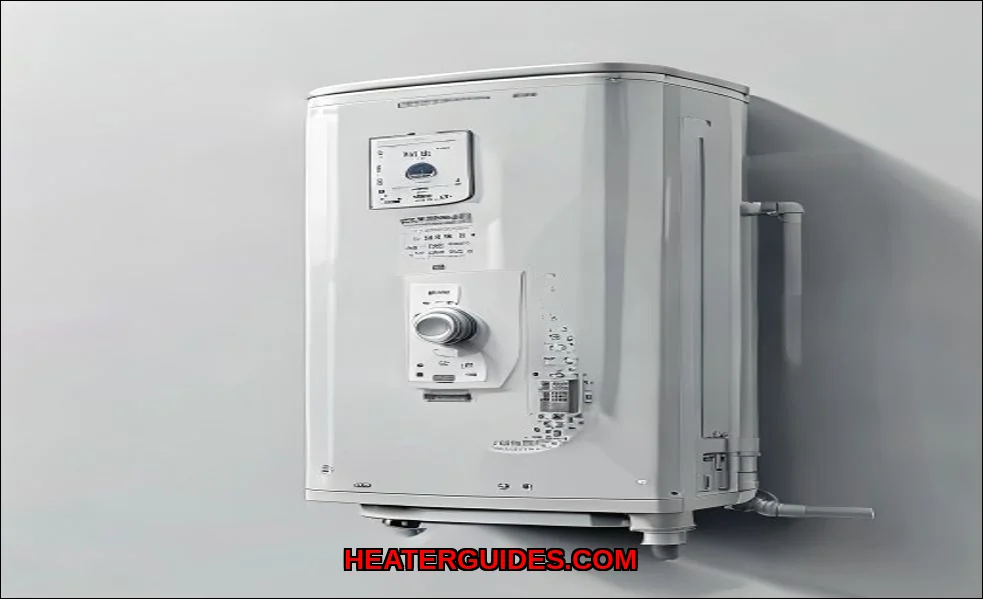
Why Flushing Your Bradford White Water Heater is Essential
You might not think about your water heater until there’s a problem. Proactive tank maintenance changes that. The core benefit of flushing is removing the layer of sand-like sediment that accumulates naturally. This isn’t just about cleanliness; it’s about performance and protection. In areas with hard water, this process is even more critical, as mineral deposits form faster and are more dense.
Heres what regular flushing does for you:
- Restores Efficiency: Sediment acts as an insulator between the burner or heating element and the water. Removing it allows for faster, more efficient heating, which lowers your energy bills.
- Prevents Damage: Excessive sediment can cause overheating at the bottom of the tank, leading to stress cracks, leaks, and a shortened appliance life.
- Eliminates Noise: Those rumbling or popping sounds are often steam bubbles trapped under the sediment layer. A flush quiets the tank down.
- Maintains Hot Water Supply: Sediment takes up space meant for water. Less sediment means more usable hot water for your home.
If you’re wondering how often to flush Bradford White water heater units, a good rule is annually. If you have very hard water, consider doing it every six months. Not sure about your water heater’s quality? It’s worth reading about how good Bradford White water heaters are to understand their build and why maintenance pays off.
Safety Precautions Before You Begin
Safety is non-negotiable. Water heaters involve high temperatures, water pressure, and, for gas models, combustible fuel. Rushing leads to mistakes. Take your time and follow these steps before touching any tools.
Turn Off the Energy Source
This is your first and most important step. For an electric heater, locate your home’s circuit breaker panel and switch off the dedicated breaker for the water heater. For a gas water heater, find the gas supply valve on the incoming gas line and turn it to the “off” position. Then, turn the thermostat on the unit’s control panel to the “pilot” setting.
Cool the Water and Shut Off Supply
You must work with cool water to avoid scalding. Turn off the cold water supply valve located on the pipe entering the top of the tank. Next, open a hot water faucet somewhere in your house (like a bathroom sink) to relieve pressure in the system. Let it run until it’s cool to the touch. This can take an hour or more. Patience here is key.
Test the Pressure Relief Valve
Locate the pressure relief valve (usually on the side or top of the tank with a small discharge pipe). Lift the test lever briefly and let it snap back. You should hear a gurgle or see a small burst of water into the drain pipe. This verifies the valve isn’t stuck, a critical safety feature. If no water releases, the valve may be faulty and should be replaced by a professional before proceeding.
Tools and Materials You’ll Need
Gathering everything beforehand makes the process smooth. You likely have most items already.
- A standard garden hose (like the LDR Industries 504 mentioned earlier) long enough to reach from the heater to a drain, floor sink, or outside.
- Adjustable wrench or channel-lock pliers.
- A flat-head screwdriver (for some drain valve types).
- Work gloves and safety glasses.
- A bucket (for the initial sediment-heavy water).
Step-by-Step Flushing Procedure
Now for the main event. This step by step Bradford White water heater flush guide will walk you through it. The process is similar for both gas water heaters and electric water heaters.
1. Connect the Hose and Open the Drain Valve
Find the drain valve near the bottom of the tank. It typically looks like a standard hose bib or a plastic valve with a screw slot. Securely attach your garden hose and run the other end to a safe drainage location. Double-check that the cold water supply valve is OFF and the hot water faucet you opened earlier is still open. Using your wrench or screwdriver, slowly open the drain valve.
2. Drain the Tank Completely
Water will begin to flow out. The initial water will likely be discolored and contain chunks of sedimentthis is what you’re removing. Let the tank drain completely. If the flow stops but the tank isn’t empty, sediment may be clogging the valve. Gently open and close the valve a few times to dislodge the clog. Never use a wire or tool to poke inside the valve, as you can damage its seal.
3. Perform the Flush
Heres the key to effective water heater sediment removal. With the drain still open, briefly turn the cold water supply valve back on. Allow cold water to rush into the top of the tank and stir up the remaining sediment, flushing it out the bottom through your hose. Run this until the water from the hose runs completely clear. This may take several minutes. You are now performing a true flush water heater tank procedure.
4. Close Valves and Refill
Once the water is clear, turn the cold water supply valve off again. Close the drain valve tightly and disconnect the hose. Now, turn the cold water supply valve back on fully to begin refilling the tank. Keep that hot water faucet in your house open. You’ll hear air and water sputtering out. Once a steady, bubble-free stream of water flows from the faucet, the tank is full. Turn the faucet off.
Post-Flush Testing and Maintenance Tips
You’re almost done. Now you need to restore power and check your work.
Restore Power and Check for Leaks
For electric models, go back to the breaker panel and turn the water heater breaker back on. For gas units, turn the gas supply valve on, then follow the manufacturer’s instructions on the label to relight the pilot light and set the thermostat to your desired temperature (typically 120F is recommended for efficiency and safety). As the tank heats, carefully inspect the drain valve and all connections for any leaks. Tighten if necessary.
Consider the Anode Rod and Temperature
While flushing is the core of annual maintenance, the anode rod is your tank’s sacrificial shield against corrosion. It’s a key component in Bradford White water heater longevity. Consider inspecting or replacing it every 3-5 years. After your flush, verify your temperature setting. A setting of 120F provides sufficient hot water for most households, minimizes mineral buildup (scaling), and is safer by reducing scalding risk.
Recognize When to Call a Pro
Be aware of the signs your Bradford White water heater needs flushing beyond the annual schedule: loud banging noises, rusty water, or noticeably less hot water. If your drain valve leaks persistently after closing, or if you are uncomfortable with any step (especially relighting a gas pilot), call a qualified plumber. For official specifications and manuals, always refer to the manufacturer’s Bradford White website.
A clear hose, a quiet tank, and a lower energy bill. That’s the reward for a couple of hours spent on maintenance. Flushing your Bradford White water heater isn’t just a chore; it’s a direct investment in the appliance’s health and your home’s efficiency. Mark your calendar for next year, and you’ll enjoy reliable hot water for years to come.
