Can Glass Expload If You Heat It Up Too Much? Avoid Thermal Shock
On this page 6 sections
Glass breaks when heat creates a fast temperature gradient the material cannot spread out quickly enough. Because glass has poor thermal conductivity, the hot side expands while the cooler side lags behind, and that internal tension can pass the fracture limit in one snap.
The answer changes with glass type. Borosilicate glass handles thermal shock better than soda-lime glass, while tempered glass breaks differently because it stores internal tension; neither one is immune to a hard local hot spot.
Can Glass Expload If You Heat It Up Too Much?
Yes, glass can shatter if you heat it up too much or too unevenly, but it won’t explode like a firecracker or a fuel blast. What you get is sudden cracking or breaking when one part of the glass heats faster than the rest, building internal stress until the material gives way.
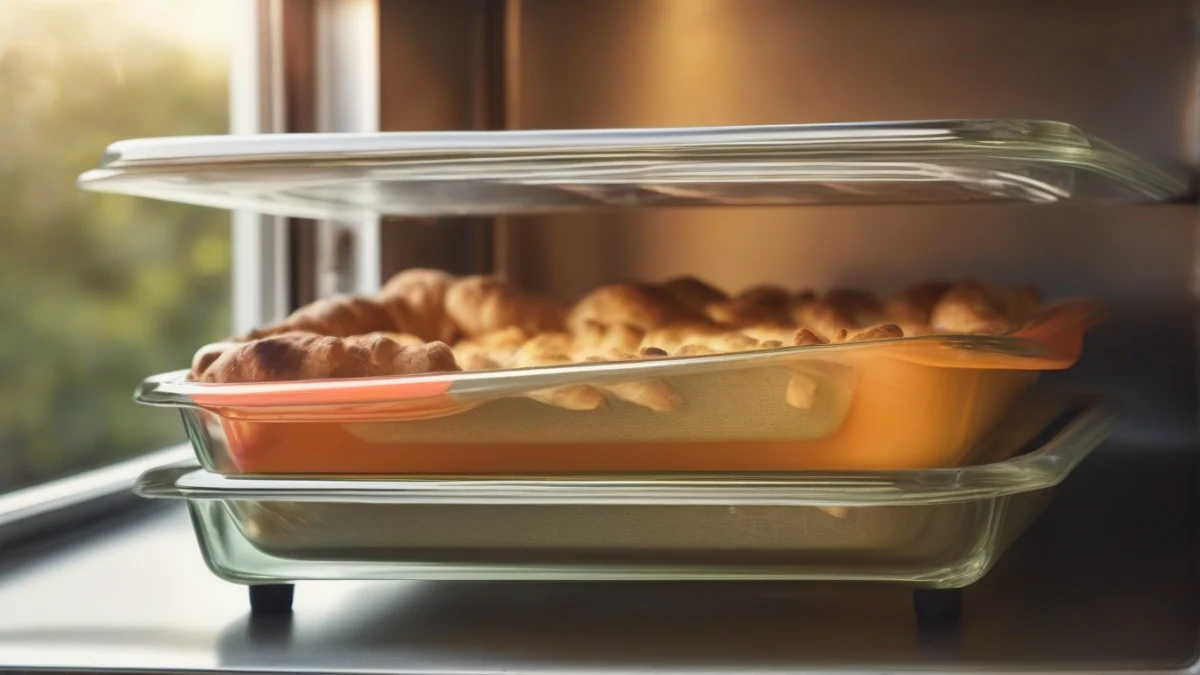
Glass expands when heated, and that expansion is the heart of the problem. If a hot dish sits on a cold counter, or you pour cold water into a hot drinking glass, one part tries to grow while the adjacent part stays put. Glass conducts heat poorly, so temperature differences across a single piece can be sharp and sustained. The expanding zone pulls against the cooler zone, creating tensile stress. When that stress exceeds the glass’s fracture toughness, it snaps.
Engineers call this thermal shock. The glass doesn’t get hot enough to melt or chemically change; it simply can’t bend or stretch fast enough to handle the uneven expansion. Small chips, scratches or crazing make it worse by concentrating stress at a single point, turning a manageable gradient into a crack trigger.
Tempered glass shatters into hundreds of small, relatively blunt pieces when it fails because the manufacturing process locks internal tension into the material. Breaking one spot releases that stored energy all at once, and the whole pane disintegrates in an instant. It looks dramatic, but it’s still fracture, not combustion.
When Heat Damages Glass And When It Doesn’t
The line between safe and shattered depends on the glass type, the heat source, and whether the piece has hidden damage. Soda-lime glass, the kind in most drinking glasses and cheap baking dishes, handles oven heat poorly because its thermal expansion coefficient is high. Borosilicate glass resists thermal shock better, and tempered glass is stronger but just as vulnerable to rapid temperature swings.
| Glass type | Thermal shock resistance | Common use | What breaks it |
|---|---|---|---|
| Soda-lime | Low | Drinking glasses, jars | Oven heat, cold liquid in hot glass |
| Borosilicate | High | Lab glassware, Pyrex (older) | Direct flame, extreme gradients |
| Tempered | Moderate | Oven doors, phone screens | Edge chips, rapid cooling |
| Chipped or crazed | Very low | Any worn piece | Any heat stress |

Microwave-safe doesn’t mean oven-safe. Microwaves heat the food and liquid, which warms the dish slowly from the inside out. An oven heats the glass directly and unevenly, especially under a broiler or when the dish sits empty. Direct flame from a gas burner or torch concentrates heat in one spot, building a gradient steep enough to crack borosilicate, let alone soda-lime.
Phone back glass fails from heat in a different way. The adhesive holding the panel to the frame softens at temperatures well below the glass’s fracture point, usually around 160 to 180°F. The glass itself stays intact, but the bond gives up and the panel lifts or slides. That’s adhesive failure, not thermal shock.
Which Glass Handles Heat Better
Not all glass is built the same when heat hits it. Borosilicate glass—the kind in lab flasks and some bakeware—has a thermal expansion coefficient about one-third that of ordinary soda-lime glass, so it can tolerate temperature swings of 300°F or more before stress starts cracking it. Soda-lime glass, which fills most kitchens and windows, expands roughly three times as much per degree, turning even a modest temperature difference into enough stress to snap the piece.
Oven-safe labels don’t guarantee equal resistance. Borosilicate bakeware shrugs off direct heat that would shatter soda-lime, and tempered glass falls somewhere between: its internal tension makes it strong against impact but still vulnerable to sharp thermal gradients. A dish stamped oven-safe may hold 450°F evenly but fail under a broiler’s one-sided blast.
| Glass Type | Thermal Expansion | Typical Limit |
|---|---|---|
| Borosilicate | Low (≈3.3 × 10⁻⁶ /°C) | 300°F+ swings |
| Soda-lime | High (≈9 × 10⁻⁶ /°C) | 100–150°F swings |
| Tempered soda-lime | High, pre-stressed | Similar to soda-lime |
Thickness doesn’t automatically make glass safer. A thick piece spreads heat more slowly, so one edge can stay cold while the other expands, building the same stress that shatters thin glass. In some cases—like a heavy casserole dish warmed gently—thickness helps distribute load, but a thick tumbler plunged into boiling water will still crack.
Edges matter more than most people expect. Smooth polished edges resist thermal fracture far better than rough or chipped ones, because a chip concentrates stress the way a notch does in sheet metal. Once a crack starts, stress at the crack tip climbs fast and failure races across the piece—often in a fraction of a second, appearing sudden to the eye.
How To Heat And Cool Glass Safely
Check the glass before it goes anywhere near heat. Rims, handles, corners, and the bottom edge hide chips and scratches that turn into cracks under thermal stress, and a dish with a star crack or crazing should be retired from oven-safe duty immediately.
A chipped dish is not safe in an oven, even if the chip looks small. Any flaw becomes a stress riser, and thermal expansion will pry it open. Microwave-safe glass isn’t always oven-safe, either—microwaves heat food first and glass second, while an oven heats the dish directly, often unevenly.
Warm glass gradually. Put it in a cold oven and let both heat together, or preheat the oven and slide the dish in gently. Never place cold glass under a broiler or over direct flame unless the manufacturer says the piece is rated for it. Avoid empty glassware in the oven; a little water or oil slows heating and spreads the load.
Move hot glass with dry oven mitts, and set it down once. Wet mitts or potholders conduct heat straight to your hands and can drip onto the glass, and sliding a hot dish across a counter risks catching a cold spot or a damp patch. One firm placement on a stable trivet keeps the piece intact.
When To Stop Using The Glass
Glass doesn’t announce its retirement. Repeated heating and cooling—thermal cycling—can grow tiny flaws even when every use looks fine, weakening the structure until one ordinary trip to the oven ends in a spray of shards.
Micro-chips and edge damage concentrate stress at a single point. A piece can survive ten heat cycles and fail on the eleventh because a hairline crack you barely see has been spreading a fraction of a millimeter with each temperature swing. Thermal shock can cause glass to fail without visible cracks first—internal stress builds up in undamaged-looking material, then releases all at once when the next heat load tips it past fracture toughness.
Cool hot glassware slowly and evenly: set it on a dry towel or wooden cutting board, never a cold countertop or wet surface, and keep it away from drafts or splashes. Thickness does affect thermal shock resistance—thicker glass takes longer to equalize temperature through its cross-section, so internal gradients stay steeper and stress climbs higher during rapid heating or cooling.
Most kitchen glass is replace, not repair. You can’t glue a baking dish back to oven duty, and polishing an edge smooth enough to restore thermal fracture resistance isn’t practical at home.

