Yes, a water heater explosion can be deadly due to scalding hot water, steam, and flying debris, posing serious risks to anyone nearby.
A water heater explosion is one of the most dangerous household disasters that can occur. While rare, these explosions can be deadly due to extreme pressure buildup and scalding hot water. Understanding the risks and warning signs could save your life.

Krikle
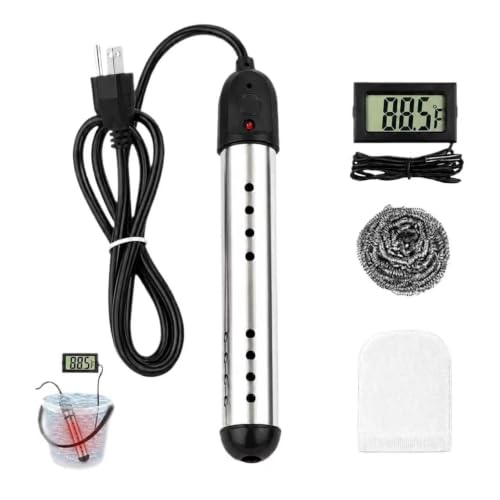
Portable Water Heater Electric, 2000W Immersion Water…
- 【Powerful Rapid Heating】Experience fast 104°F water in minutes with our 2000W immersion water heaterand. electric water heater eff…
- 【Premium Rust-Resistant Build】Submersible water heater 304 stainless steel construction prevents scaling with transfer. Safety enh…
- 【Easy To Operate】Please ensure that the portable water heater is completely submerged in water. Equipped with an LCD digital therm…
How Deadly Are Water Heater Explosions?
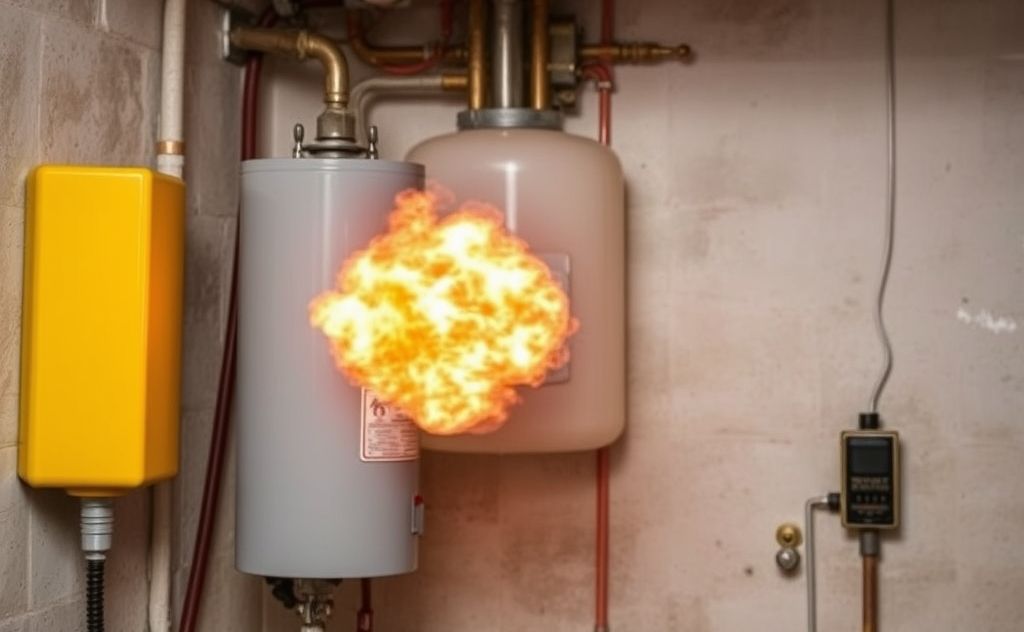
Yes, a water heater explosion can kill you. The combination of extreme pressure and scalding water creates multiple lethal hazards:
- Shrapnel from the exploding tank can cause fatal injuries
- Scalding water at 150°F+ causes third-degree burns in seconds
- The blast force can collapse walls and ceilings
- Gas leaks may lead to secondary explosions or fires
According to plumbing experts, the force of an exploding 50-gallon water heater equals about 200 sticks of dynamite. This tremendous energy release explains why these incidents often destroy homes and injure occupants.
Real-World Examples of Fatal Explosions
In 2016, a Texas man died when his water heater exploded, sending the tank through the roof. The blast destroyed the home’s foundation. Another incident in Florida hospitalized a family of four with severe burns when their unit exploded overnight.
What Causes Water Heaters to Explode?
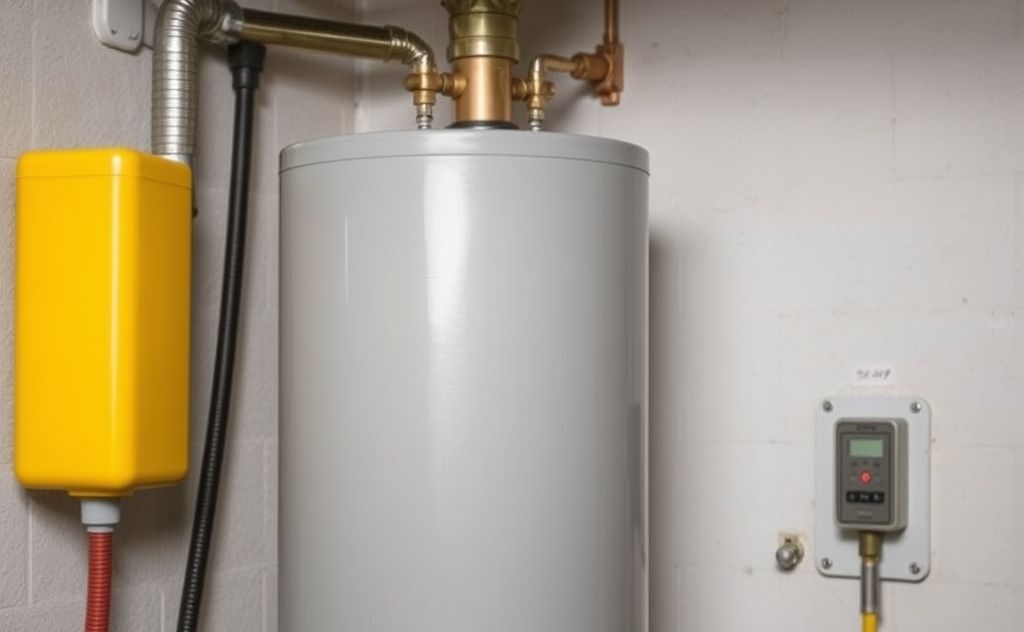
Three primary factors combine to create explosion risks:
| Cause | Risk Factor |
|---|---|
| Excessive Pressure | When T&P valve fails, pressure exceeds tank limits |
| Overheating | Thermostat failure allows dangerous temperature buildup |
| Sediment Buildup | Insulates heating elements, causing localized boiling |
Modern water heaters include multiple safety features, but these can fail over time. Regular maintenance is crucial to prevent dangerous conditions. For optimal safety, consider upgrading to a tankless water heater which eliminates explosion risks.
Warning Signs Your Water Heater Might Explode
Watch for these critical danger signals:
1. Leaking Temperature & Pressure (T&P) Valve
This safety valve should only release water occasionally. Constant dripping or streaming indicates dangerous pressure buildup. Test the valve annually by lifting its lever – water should flow freely then stop when released.
2. Popping or Rumbling Noises
Sediment buildup causes water to boil beneath the mineral layer, creating loud popping sounds. This insulation effect leads to overheating.
3. Brown or Rusty Water
Discolored hot water signals corrosion and sediment accumulation. The anode rod may need replacement to prevent tank failure.
4. Rotten Egg Smell
A sulfur odor near the unit indicates gas leaks, which can cause explosions if ignited by the pilot light.
How to Prevent Water Heater Explosions
Follow these safety measures:
- Set thermostat to 120°F maximum
- Flush tank annually to remove sediment
- Test T&P valve every 6 months
- Replace anode rod every 3-5 years
- Inspect for leaks or corrosion
- Consider professional annual maintenance
For older units, replacement may be safer than repair. The Consumer Reports recommends replacing water heaters every 8-12 years. Tankless models offer superior safety and efficiency.
What to Do If You Suspect Danger
If you notice warning signs:
- Turn off power/gas supply immediately
- Don’t attempt repairs – call a licensed plumber
- Evacuate the area if you smell gas
- Contact emergency services for major leaks
Remember that water heater explosions are preventable with proper maintenance and timely replacement. Don’t ignore the warning signs – your safety depends on it.
Related pick: Check today's price on Amazon

I am a mechanical engineer and love doing research on different home and outdoor heating options. When I am not working, I love spending time with my family and friends. I also enjoy blogging about my findings and helping others to find the best heating options for their needs.
Related guides
Does a Tankless Water Heater Need a Dedicated Circuit?
You're considering a tankless gas water heater. It's a smart move for efficiency and endless hot water. But…

Top 5 Propane Gas Patio Heaters That Will Transform Your Outdoor Space
85% of homeowners choose the best heat focusing propane gas patio heater for efficient outdoor warmth. That’s why…
Who Installs Gas Lines for Pool Heaters? Find Pros
Thinking about extending your swim season with a pool heater? It's a fantastic upgrade. But the most critical…