Yes. A water heater can explode. It’s rare, but the risk is real and the consequences are catastrophic. This isn’t alarmistit’s physics. When safety systems fail, extreme pressure turns a standard appliance into a dangerous projectile. Your Bradford White water heater is built with robust safety features, but it is not immune to failure. Your vigilance is the final layer of protection.
You need to know the signs. You must understand the mechanisms. This article gives you direct, actionable steps to identify danger and prevent disaster. We’ll cover the critical safety components, the unmistakable warning signs, and the immediate actions you must take. For early warning of one major risk factor, consider placing a Water Leak Detector near the unit. It can alert you to a failing pressure relief valve or tank leak long before a crisis occurs.
Can a Bradford White Water Heater Actually Explode?
The short, urgent answer is yes. Any storage-type water heater, including reputable brands like Bradford White, holds the potential for a water heater explosion under specific, preventable failure conditions. The danger stems from a simple principle: water expands when heated. In a sealed system, this thermal expansion creates immense pressure.
Modern tanks are designed to withstand high pressure, but they have limits. The real danger occurs when the primary safety valvethe TPR valve (Temperature and Pressure Relief valve)fails. If this valve is stuck shut and the thermostat fails in the “on” position, water will continue to heat far beyond its boiling point. The resulting steam pressure can exceed the tank’s structural integrity. The result is a violent rupture, not a slow leak. This can launch the tank through ceilings, destroy walls, and cause severe scalding injuries or worse.
This risk applies to both gas water heater and electric models. Gas units add the complexity of a gas control valve malfunction, which can lead to overheating. Electric heaters have their own thermostat failures. The core physics of pressure buildup remain the same. Understanding this isn’t about fear-mongering; it’s about empowering you with the knowledge to ensure your family’s safety.
Critical Safety Mechanisms That Prevent Explosions
Your Bradford White water heater has multiple, redundant safety systems. Their sole job is to prevent the conditions for an explosion. You must know what they are and verify they are functional.
The Temperature and Pressure Relief (TPR) Valve
This is your water heater’s most critical safety device. It’s a spring-loaded valve designed to open automatically if either the temperature (typically above 210F) or pressure (typically above 150 psi) reaches a dangerous level. It allows hot water and steam to discharge safely. TPR valve failure is the single most common factor in water heater explosions. You must test it annually.
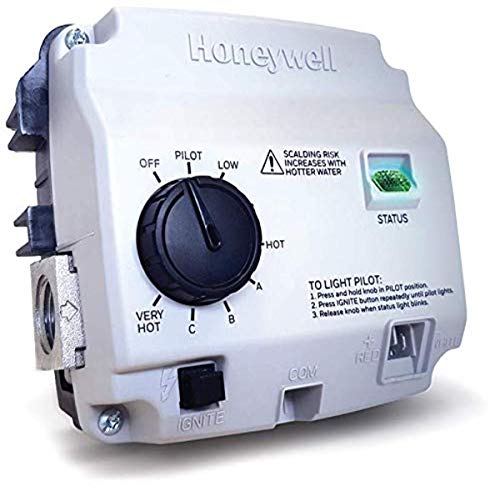
The Gas Control Valve & Thermostat
For gas models, the gas control valve regulates the flame. It works in tandem with the thermostat to shut off the gas supply once the set temperature is reached. A malfunction here can cause uncontrolled heating. Modern Bradford White valves have multiple safety shut-offs for high temperature and flame failure, which are key parts of Bradford White safety engineering.
The Anode Rod
This is a sacrificial component that corrodes instead of your steel tank. The anode rod is your tank’s primary defense against rust. Once it’s fully depleted, the tank itself begins to corrode from the inside, weakening its structure and making it more susceptible to rupture under pressure. Checking and replacing the anode rod is preventive maintenance that directly addresses anode rod corrosion and extends tank life.
Secondary Safety & Building Code Requirements
- Pressure Relief Valve Discharge Pipe: The pipe from the TPR valve must direct scalding water safely to the floor or a drain. It must be the same diameter as the valve outlet, be made of approved material (like CPVC), and have no valves or obstructions.
- Thermal Expansion Tank: Required by code in most closed water systems (where you have a check valve or pressure reducing valve). It absorbs the expanded water volume, preventing constant pressure spikes that fatigue the TPR valve and tank.
- Scald Protection: Modern thermostats are often set at 120F to prevent third-degree burns in seconds. A malfunctioning thermostat that allows higher temperatures increases both scald protection risks and pressure risks.
7 Warning Signs Your Water Heater is at Risk
Don’t wait for a bang. Catastrophic failure almost always gives warnings. These are the signs your Bradford White water heater is dangerous. If you notice any, act immediately.
- Leaking or Dripping TPR Valve: A small drip from the valve or its discharge pipe is normal after relieving pressure. Constant leaking or a complete lack of discharge during testing signals failure.
- Rumbling, Popping, or Knocking Sounds: This is often sediment buildup at the tank bottom. The sediment overheats, creating steam bubbles that implode. It reduces efficiency and causes hot spots that stress the tank.
- Discolored or Rusty Water: Brown or reddish water from your hot taps indicates internal tank corrosion. A compromised tank wall cannot withstand normal operating pressure.
- Water Pooling Around the Base: Any moisture not from the TPR discharge pipe suggests a tank leak. The leak can be microscopic at first. This is where a Water Leak Detector becomes invaluable for early warning.
- Fluctuating Water Temperature: Water that’s suddenly scalding hot or lukewarm can point to a failing thermostat or gas control valve, leading to potential overheating.
- The TPR Valve Discharge Pipe is Cold: It should be warm if the valve has been releasing hot water. If it’s always stone-cold, the valve may be seized shut.
- A Rotten Egg Smell (Gas Models Only): This indicates a potential gas leak or issues with the anode rod reacting with water. Evacuate immediately and call your gas company from outside.
Notice these signs? Stop. Move to the next section.
Immediate Actions to Take If You Suspect Danger
If you observe any of the warning signs above, especially leaking, strange noises, or overheating water, follow these steps now.
- Turn Off the Energy Source. For gas: Turn the gas control valve knob to “PILOT” or “OFF.” For electric: Go to your circuit breaker and shut off the dedicated breaker for the water heater.
- Turn Off the Cold Water Supply. Locate the shut-off valve on the cold water line feeding the tank and turn it clockwise to close it. This stops the inflow of water.
- Open Hot Water Taps to Relieve Pressure. Go to a bathroom sink and turn on the hot water faucet. This helps depressurize the system. Let it run until it stops.
- Do Not Attempt to Drain a Hot, Pressurized Tank. This can be dangerous. Wait for the tank to cool completely if you need to drain it.
- Call a Licensed Professional. Do not attempt to repair a faulty TPR valve, gas valve, or leaking tank yourself. This is a job for a qualified plumber. Explain the symptoms clearly.
These actions isolate the appliance and mitigate the immediate risk of pressure buildup and rupture. They are your emergency protocol.
Essential Maintenance to Prevent Catastrophic Failure
Prevention is non-negotiable. A simple, scheduled maintenance routine virtually eliminates the risk of explosion. Here is your action plan.
Annual TPR Valve Test
This is the most important task you can do. Once a year:
- Place a bucket under the TPR valve discharge pipe.
- Lift the valve’s test lever completely for a few seconds until you hear a rush of air/water into the bucket.
- Release it. It should snap back and stop the flow immediately.
- If it doesn’t release water, leaks continuously afterward, or doesn’t snap back, replace the valve immediately.
Biannual Tank Flushing
Sediment causes noise, inefficiency, and overheating. Every six months:
- Connect a garden hose to the tank drain valve and run it to a floor drain or outside.
- Turn off the power/gas to the heater.
- Open the drain valve and let water flow until it runs clear (may take several minutes).
Anode Rod Inspection
Check the anode rod every 2-3 years. If it’s less than 1/2 inch thick or heavily corroded, replace it. This is the best investment to prevent tank corrosion. When comparing models, understanding features like anode rod type can help, as seen in our Bradford White vs Rheem water heater breakdown.
Professional Inspection
Have a licensed plumber perform a full inspection every 3-5 years. They will check the gas control valve operation, verify all Bradford White water heater safety features, inspect for corrosion, and ensure the thermal expansion tank (if present) is properly charged.
| Maintenance Task | Frequency | Why It’s Critical |
|---|---|---|
| Test TPR Valve | Annually | Prevents TPR valve failure, the #1 explosion cause |
| Flush Tank | Every 6 Months | Prevents sediment buildup and overheating |
| Inspect Anode Rod | Every 2-3 Years | Prevents tank corrosion and structural failure |
| Professional Inspection | Every 3-5 Years | Catches complex issues with gas valves and safety systems |
Addressing Missing Entities: The Broader Risks
Beyond explosion, understand the full scope of risk. A failing water heater can lead to carbon monoxide risks from a cracked heat exchanger in gas models. Always ensure proper venting and install a CO detector nearby. Massive water damage from leaks can ruin floors and walls, leading to mold and costly repairs. Check your homeowner’s insurance policy; some may have specific clauses regarding appliance failures, so know your insurance implications. For those selecting a new unit, reviewing the best Bradford White gas water heater options can ensure you get a model with the latest integrated safety tech.
Your Safety is a System
A Bradford White water heater explosion is a preventable event. It requires a cascade of failures, starting with neglected maintenance. Your role is to break that chain. Treat the TPR valve test as sacred. Listen to the sounds your heater makes. React to leaks immediately. Invest in a water leak detector for early warnings.
The safety features are engineered in. Your awareness and action keep them active. Schedule your annual test today. If you’re unsure about any procedure or notice a warning sign, do not hesitate. Contact a professional plumber or refer directly to the manufacturer’s resources at Bradford White’s official website for technical information and certified technician locators. Your vigilance isn’t paranoiait’s the responsible final layer of defense for your home.

I am a mechanical engineer and love doing research on different home and outdoor heating options. When I am not working, I love spending time with my family and friends. I also enjoy blogging about my findings and helping others to find the best heating options for their needs.
Related guides

Why Your Craftmaster Water Heater Red Light Blinks
If the red light blinks on your Craftmaster water heater, it typically indicates a fault; check the manual…
Best Electric Water Heaters for Your Home in 2026
Choosing the right electric hot water heater is a major home decision. It affects your daily comfort, energy…
Top 5 Game-Changing Tankless Water Heater Descaling Pumps You Need Now
Cheap descaling kits disappoint—but Chromex delivers quality! When it comes to maintaining your tankless water heater, choosing the…