

Your water heater is one of those appliances you rarely think about until something goes wrong. And when it comes to a potential safety hazard, few things are as serious as the risk of a water heater explosion. While statistically rare, the consequences can be catastrophic. Bradford White water heaters are known for their durability and professional-grade construction, but like any complex mechanical system, they are not immune to failure if neglected.
Knowledge is your first line of defense. By understanding the mechanics of failure, you can take proactive steps to protect your home and family. A simple tool like a Water Leak Detector placed near the base of your unit can provide an early warning for leaks that often precede more serious issues. It’s a small investment for significant peace of mind.
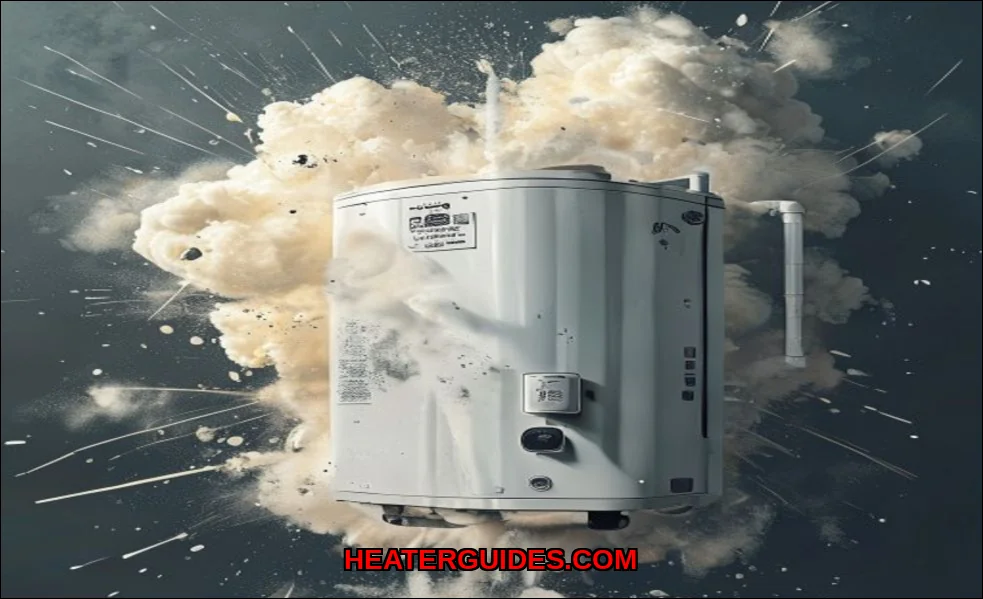
How a Water Heater Can Become a Safety Hazard
At its core, a water heater explosion is a massive, rapid pressure release. Your tank is a sealed vessel constantly under pressure from heating water. Several safety systems are designed to prevent disaster, but if they all fail simultaneously, the tank can rupture. This isn’t a small leak; it’s a violent event that can launch the tank through floors and ceilings, causing severe property damage and injury.
The primary guardian against this is the temperature and pressure relief valve, commonly called the pressure relief valve or TPR valve. Its sole job is to open and release water if internal temperature or pressure exceeds safe limits. Every other failure we discuss typically leads to a scenario where this valve is the last line of defense.
Common Causes of Bradford White Water Heater Failures
Most explosions are not spontaneous. They are the end result of a chain of failures, often stemming from poor maintenance. Here are the primary culprits behind water heater dangers.
Sediment Buildup: The Silent Killer
Over time, minerals in your water settle at the bottom of the tank. This sediment buildup acts like an insulator between the water and the burner or heating element. The heater must work harder and longer to heat the water, causing excessive heat at the tank’s bottom. This can weaken the steel, create hot spots, and significantly increase pressure. In gas models, it can also lead to overheating of the gas control valve.
A Failed or Blocked Pressure Relief Valve (TPR Valve)
This is the single most critical point of failure. The pressure relief valve can fail closed due to mineral scale, corrosion, or simply old age. If it’s blocked and cannot open, there is no escape route for dangerous pressure. Testing this valve annually is non-negotiable for water heater safety.
Thermal Expansion with No Place to Go
Water expands when heated. In a closed plumbing system (where check valves or pressure-reducing valves are installed), this expanded water has nowhere to go. This is called thermal expansion, and it creates a tremendous pressure spike with every heating cycle. Without a properly sized thermal expansion tank installed, this cyclic stress fatigues the tank and overwhelms the TPR valve.
Gas Valve Failure and Thermostat Malfunctions
For gas water heaters, a faulty gas control valve or upper thermostat can cause the burner to stay on continuously. This is known as a “runaway” heater, where water temperature and pressure skyrocket far beyond the TPR valve’s rated capacity. This is a primary cause of what leads to a Bradford White water heater explosion.
Anode Rod Depletion and Tank Corrosion
The anode rod is a sacrificial component that corrodes instead of your tank’s steel lining. Once it’s fully consumed, the tank itself begins to rust from the inside out. This corrosion weakens the tank’s structural integrity, making it more susceptible to rupturing under normal pressure. Checking the anode rod is a key part of water heater maintenance.
Critical Warning Signs You Should Never Ignore
Your water heater will usually send clear signals before a catastrophic failure. Heed these warnings immediately.
- Popping, Rumbling, or Knocking Sounds: This is often the sound of water boiling under sediment buildup at the tank’s bottoma major red flag.
- Water Leaking from the Tank or Valves: Any leak, especially from around the TPR valve or tank seams, indicates a failure in progress.
- Constantly Dripping TPR Valve: A valve that drips after you test it or drips continuously suggests it’s failing or system pressure is too high.
- Discolored or Rusty Water: This signals internal tank corrosion, meaning the anode rod is gone and the tank is actively rusting.
- No Hot Water or Inconsistent Temperatures: This can point to a failing thermostat or gas control valve issue.
- The Smell of Rotten Eggs (Gas Models): This indicates a potential gas leak. Evacuate immediately and call your gas company from outside.
If you notice any of these signs, turn off the power or gas supply to the heater and call a licensed plumber. Do not wait.
Preventive Maintenance to Eliminate Explosion Risk
Proactive care is the absolute best way to ensure water heater safety. Follow this maintenance checklist.
- Test the TPR Valve Every Year: Lift the test lever briefly. You should see a burst of hot water into the drain pipe. If it doesn’t release water or continues to drip afterward, replace the valve immediately.
- Flush the Tank Annually: Draining a few gallons from the tank removes sediment buildup. This improves efficiency and prevents overheating.
- Inspect and Replace the Anode Rod: Check the anode rod every 2-3 years. If it’s less than 1/2 inch thick or heavily corroded, replace it to protect the tank.
- Verify Temperature Setting: Ensure your thermostat is set no higher than 120F (49C). Higher settings increase pressure and scalding risk.
- Install a Thermal Expansion Tank: If you have a closed plumbing system, a thermal expansion tank is mandatory, not optional. It absorbs the pressure from expanding water.
- Keep the Area Clear: Maintain clear airflow around the heater and keep the area free of flammable materials.
Bradford White Recall History and Manufacturer Response
It’s important to contextualize the risk. While searching for “Bradford White water heater safety recall history” is prudent, Bradford White has a strong reputation for safety and reliability. Most recalls in the water heater industry, when they occur, are proactive measures for specific components like gas valves or fittings on certain model runs. You should always check the official Bradford White website for any active safety bulletins or warranty information using your unit’s model and serial number.
Speaking of warranties, understand what they cover. A warranty typically covers defects in the tank itself but does not cover damage resulting from improper installation, lack of maintenance, or failure of ancillary components like the TPR valve. This is a key missing entity many homeowners overlook, and it has direct insurance implications. Your homeowner’s insurance may deny a claim if an explosion is deemed due to negligence.
When to Call a Professional vs. DIY Troubleshooting
Your safety threshold is crucial here. Some tasks are homeowner-friendly; others absolutely require a licensed professional.
| Safe for Confident DIY | Call a Licensed Professional |
|---|---|
| Testing the TPR valve function. | Replacing the TPR valve or any gas valve component. |
| Flushing the tank to remove sediment. | Diagnosing gas leaks, strange odors, or burner issues. |
| Checking and replacing the anode rod. | Installing a thermal expansion tank or new water heater. |
| Adjusting the temperature setting on the thermostat. | Any work involving gas lines, electrical connections, or water supply lines if you’re unsure. |
| Visually inspecting for leaks or corrosion. | If you observe any of the critical warning signs listed above. |
When considering a replacement, it’s wise to research your options. For a detailed comparison of top brands, see our guide on Bradford White vs. Rheem water heaters. If you’re set on a Bradford White gas model, our review of the best Bradford White gas water heater models can help you choose the right one for your home.
The risk of a water heater explosion is low, but the impact is high. You can virtually eliminate that risk through awareness and consistent, simple maintenance. Listen to your appliancethose strange sounds are telling you something. Test that pressure relief valve every year without fail. And don’t hesitate to invest in a professional inspection if anything seems off. Your water heater works hard for you; giving it a little attention in return is the surest way to keep your home safe, secure, and supplied with reliable hot water for years to come.

I am a mechanical engineer and love doing research on different home and outdoor heating options. When I am not working, I love spending time with my family and friends. I also enjoy blogging about my findings and helping others to find the best heating options for their needs.
Related guides

Top 5 Game-Changing 5500 Watt Water Heater Elements You Need Now
Cheap elements fail—but DERNORD 240V delivers unmatched efficiency. When it comes to water heater elements, choosing the right…
Top Picks for Water Heater Wall Brackets That Will Surprise You
80% of homeowners choose the best water heater wall bracket for secure installations. That’s why JUGGHOME Expansion Tank…
How an Atmospheric Water Heater Works
You're looking at your old water heater, wondering if it's time for a change. The technician mentions something…
