Yes, solar-powered heaters can be effectively used for industrial heating applications, providing sustainable energy solutions for various processes.
Solar-powered heating systems are gaining traction in industrial settings as companies seek sustainable alternatives to fossil fuels. While residential solar water heaters are common, industrial-scale solar thermal solutions require specialized designs to meet higher temperature and volume demands.

Hyuduo
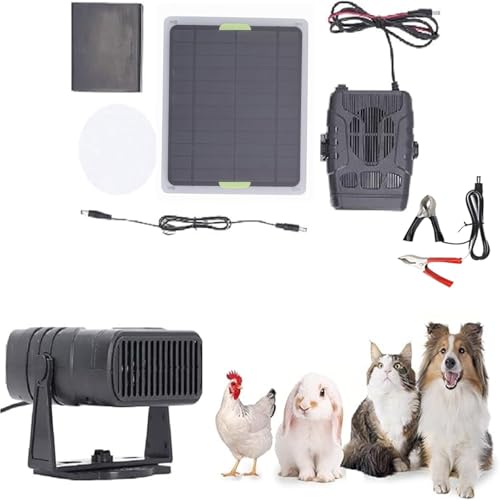
Hyuduo 30W Solar Panel Heater Portable Solar…
- [ Performance] Perfect for small outdoor areas this efficient solar heater provides reliable warmth for drying spaces pet houses a…
- [Versatile Heating Solution] Designed for multipurpose use this portable solar heater works perfectly in cars greenhouses and dog…
- [Quick & Easy Installation] Featuring a 100cm cable and compact design this 30w solar powered heater requires no complex wiring or…
How Solar Industrial Heating Works

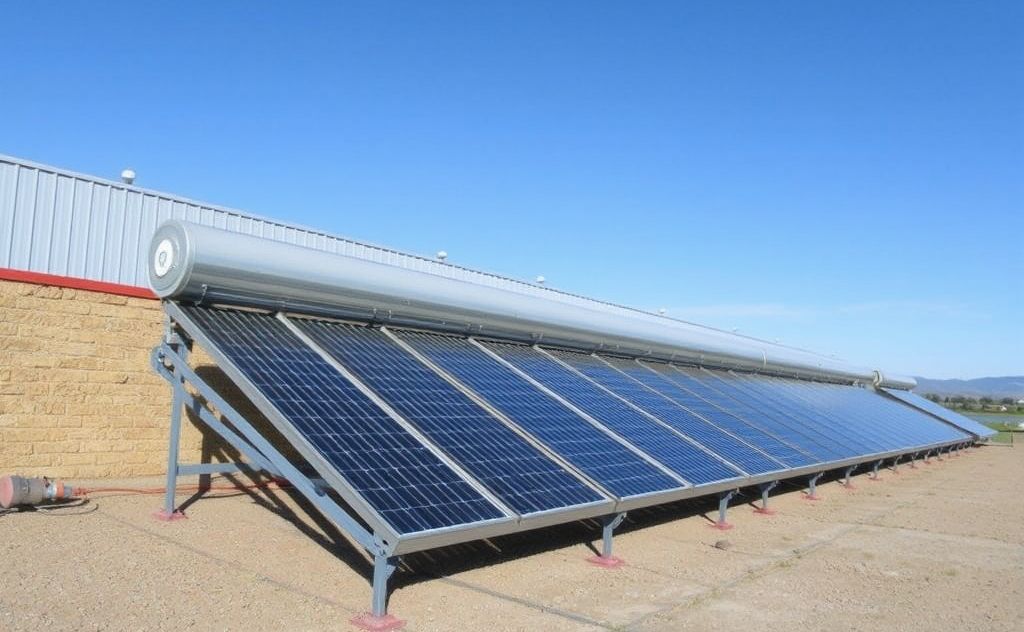
Industrial solar heating systems use concentrated solar power (CSP) technology or photovoltaic-powered heat pumps to generate process heat. Unlike residential systems that typically heat water to 140-180°F, industrial applications often require temperatures exceeding 750°F for manufacturing processes.
Key System Components
- Solar collectors (parabolic troughs, linear Fresnel reflectors, or heliostats)
- Heat transfer fluid systems (thermal oil or molten salt)
- Thermal energy storage tanks
- Backup conventional heating systems

Industrial Applications for Solar Thermal
Solar thermal systems can support various industrial processes:
| Industry | Temperature Range | Application |
|---|---|---|
| Food Processing | 150-400°F | Pasteurization, sterilization, drying |
| Chemical | 300-750°F | Distillation, reactor heating |
| Textile | 200-300°F | Dyeing, bleaching, finishing |
Success Story: Solar Food Processing
A California winery installed a solar thermal system that provides 85% of their hot water needs for barrel washing and equipment sterilization, reducing natural gas consumption by 1,200 therms annually.
Challenges of Industrial Solar Heating
Intermittency Issues
Solar availability fluctuates with weather and seasons. Most facilities pair solar with gas-fired backup systems or implement thermal energy storage.
Space Requirements
Industrial-scale systems need significant land area for solar collectors. A typical 1MW thermal plant requires 2-3 acres of collector space.
Emerging Technologies
New developments are making industrial solar heating more viable:
- High-temperature collectors reaching 1,800°F
- Molten salt storage systems providing 24/7 heat
- Hybrid solar/gas systems like those from Solaronics
Case Study: Solar Steam for Oil Recovery
A California oil field uses solar thermal technology to generate 500°F steam for enhanced oil recovery, displacing 80% of their natural gas consumption.
Financial Considerations
While upfront costs are higher than conventional systems, industrial solar heating offers:
- 30-60% lower operating costs
- 3-7 year payback periods
- Eligibility for tax credits and incentives
As technology improves and energy prices rise, solar thermal systems are becoming increasingly attractive for industrial heating applications that require consistent, high-temperature heat.
Related pick: Check today's price on Amazon

HeaterGuides covers home heating, water heating and HVAC: how the equipment works, what it costs to run, and how to use it safely.